#019 - Automated species identification and tracking - Blue Planet, Green Robots: Harnessing AI for Environmental Sustainability
Automated species identification and tracking
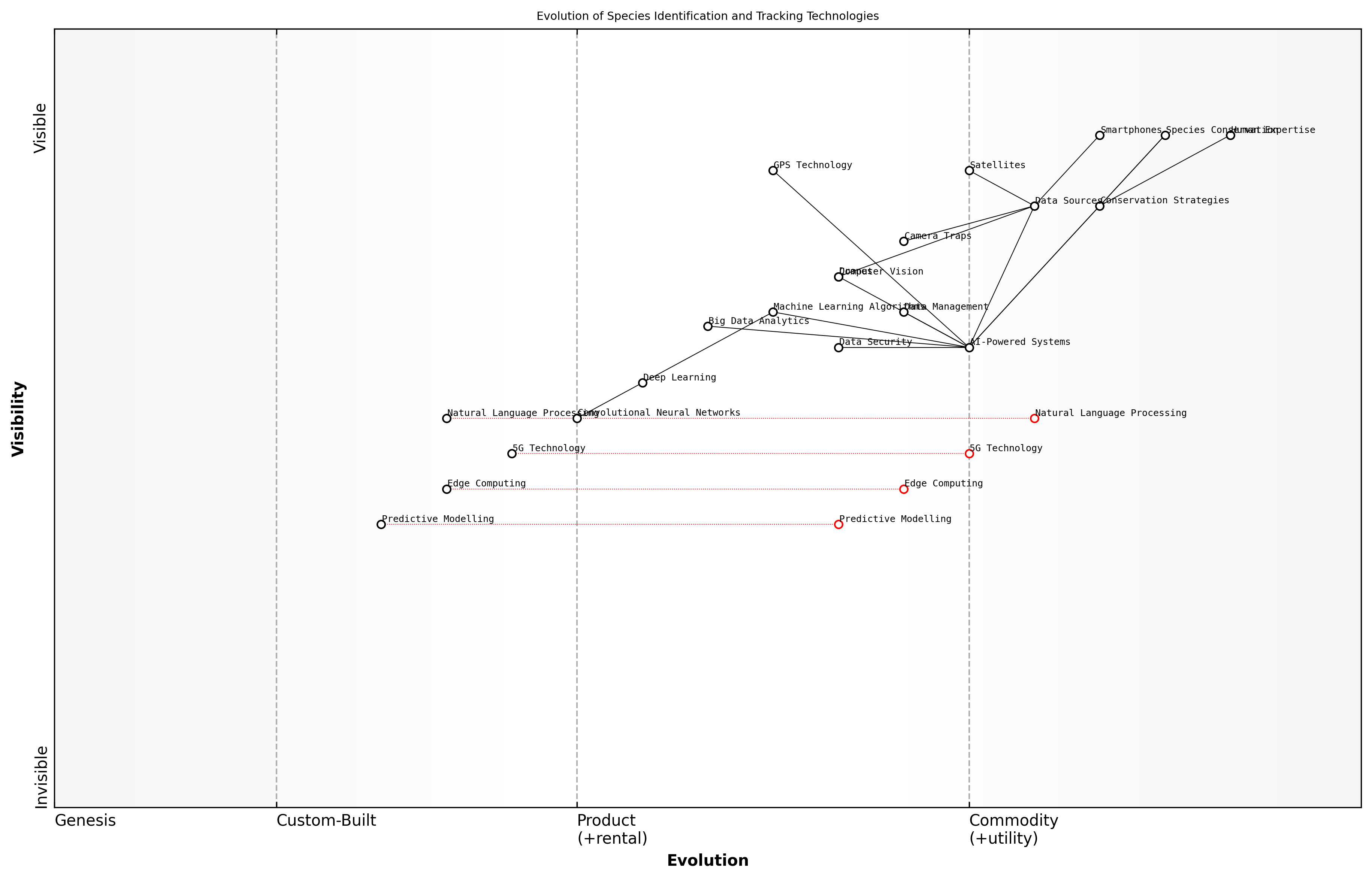
Join Mark and Tom as they embark on a digital safari through the world of AI-powered wildlife conservation. Discover how automated species identification and tracking is revolutionising biodiversity monitoring and protection. From camera traps in the savanna to underwater drones in coral reefs, learn how technology is giving nature a digital voice. This episode explores the incredible potential of AI in conservation, as well as the challenges and ethical considerations that come with it. Whether you're a tech enthusiast, a nature lover, or just curious about how robots are helping save the planet, this episode is your field guide to the future of wildlife protection. Don't forget to check out our Wardley Mapping resource for a deeper dive into strategic conservation planning!
Chapter: Green Robotics: AI-Driven Solutions for Conservation
Section: AI-Powered Wildlife Conservation
Key Takeaways:
• AI-powered species identification is revolutionising wildlife monitoring and conservation efforts
• These systems can process vast amounts of data from various sources, surpassing human capabilities
• Real-world applications include tracking endangered species, monitoring marine life, and detecting invasive species
• Challenges include ensuring data accuracy, privacy, and ethical use of wildlife information
• The future of conservation lies in integrating AI with human expertise and developing predictive platforms
Additional Resources:
• Original Book: Read the full book on Medium
• Original Book: Read the full book on GitHub
• Wardley Books - View Books
• Wardley Map: View Map
• Edit Map: Edit this Map
#WardleyMaps #GenAI
Note:
This content was generated using Generative AI. While efforts have been made to ensure accuracy and coherence, readers should approach the material with critical thinking and verify important information from authoritative sources.