Oceans of Change: Advancing SDG 14 Through Science, Innovation, and Community Action
United NationsOceans of Change: Advancing SDG 14 Through Science, Innovation, and Community Action
Table of Contents
- Oceans of Change: Advancing SDG 14 Through Science, Innovation, and Community Action
- Introduction: Understanding Life Below Water
- Marine Conservation Science and Technology
- Sustainable Blue Economy
- Climate Change and Ocean Resilience
- Community Action and Governance
- Practical Resources
- Specialized Applications
Introduction: Understanding Life Below Water
The State of Our Oceans
Current Global Ocean Health Assessment
The current state of our global oceans presents an unprecedented challenge that demands immediate attention and coordinated action. As a leading authority in marine conservation policy, I have observed firsthand how the convergence of multiple stressors has created a critical inflection point in ocean health. Our oceans, covering more than 70% of Earth's surface, are experiencing rapid degradation at a scale and pace previously unseen in human history.
We are witnessing a fundamental shift in ocean chemistry and biology that threatens to undermine marine ecosystems worldwide, with cascading effects on human societies that depend on these waters for survival, notes a senior oceanographic researcher.
Recent comprehensive assessments indicate five primary indicators of declining ocean health that require urgent attention: biodiversity loss, chemical pollution, warming waters, acidification, and deoxygenation. These interconnected challenges create feedback loops that amplify their individual impacts, making the overall situation increasingly complex to address through conventional management approaches.
- Marine biodiversity has declined by approximately 49% since 1970, with some regions experiencing losses of up to 75%
- Ocean acidity has increased by 26% since the industrial revolution, severely impacting calcifying organisms
- More than 50% of coral reefs are now classified as severely degraded
- Nearly 33% of fish stocks are being exploited at unsustainable levels
- Marine plastic pollution has increased tenfold since 1980
The assessment methodology has evolved significantly over the past decade, incorporating advanced satellite technology, autonomous underwater vehicles, and machine learning algorithms to provide unprecedented insight into ocean health dynamics. This technological revolution in ocean monitoring has revealed previously unknown patterns and relationships between various stressors affecting marine ecosystems.
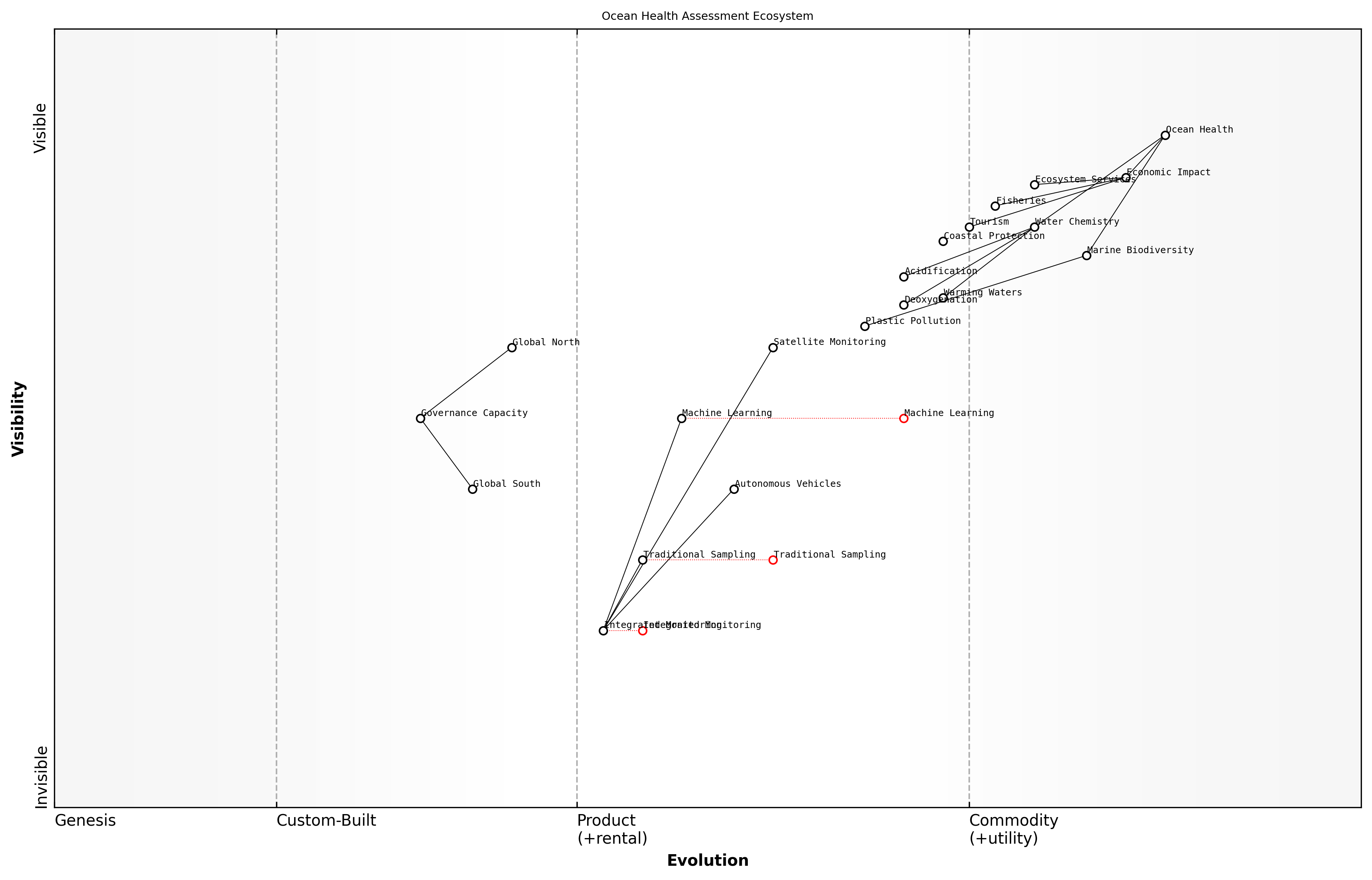
Regional variations in ocean health present a complex mosaic of challenges and opportunities. While some areas, particularly in the Global North, have shown modest improvements through stringent environmental regulations and advanced management practices, many regions in the Global South continue to experience accelerating degradation due to limited resources and capacity constraints.
The disparity in ocean health between different regions reflects not just environmental challenges, but fundamental inequities in resources, technology access, and governance capacity, explains a leading marine policy advisor.
Economic implications of deteriorating ocean health are becoming increasingly apparent, with the World Bank estimating annual losses in the billions of pounds due to declining fisheries, tourism impacts, and reduced ecosystem services. The blue economy, which depends on healthy oceans, faces significant risks if current trends continue unabated.
- Direct economic losses from coral reef degradation estimated at £375 billion annually
- Declining fish stocks affecting livelihoods of over 500 million people globally
- Coastal protection services reduced by 30% due to habitat loss
- Tourism industry facing £100+ billion in potential losses due to ecosystem degradation
- Carbon sequestration capacity diminished by 20% compared to pre-industrial levels
Key Challenges and Threats
Our oceans face an unprecedented array of challenges that threaten marine ecosystems and human well-being alike. As we examine the critical issues affecting our oceans, it becomes clear that human activities have created a complex web of interconnected threats that require immediate and coordinated action.
The convergence of multiple stressors on marine ecosystems has created a perfect storm that threatens to fundamentally alter ocean systems within our lifetime, notes a leading marine conservation scientist.
- Overfishing and Destructive Fishing Practices: Industrial-scale fishing operations, illegal fishing, and destructive methods are depleting fish stocks at unsustainable rates
- Marine Pollution: Plastic waste, chemical runoff, oil spills, and emerging pollutants are contaminating marine environments globally
- Climate Change Impacts: Ocean acidification, warming waters, and changing currents are disrupting marine ecosystems
- Habitat Destruction: Coastal development, bottom trawling, and resource extraction are destroying critical marine habitats
- Biodiversity Loss: Combined pressures are leading to unprecedented species decline and ecosystem degradation
The scale of these challenges is particularly concerning when we consider their cumulative effects. For instance, coral reefs face multiple simultaneous threats from warming waters, ocean acidification, and local pollution, creating what experts term a 'triple threat' to these vital ecosystems. Similarly, coastal communities worldwide are grappling with diminishing fish stocks while also confronting rising seas and increasingly severe storms.
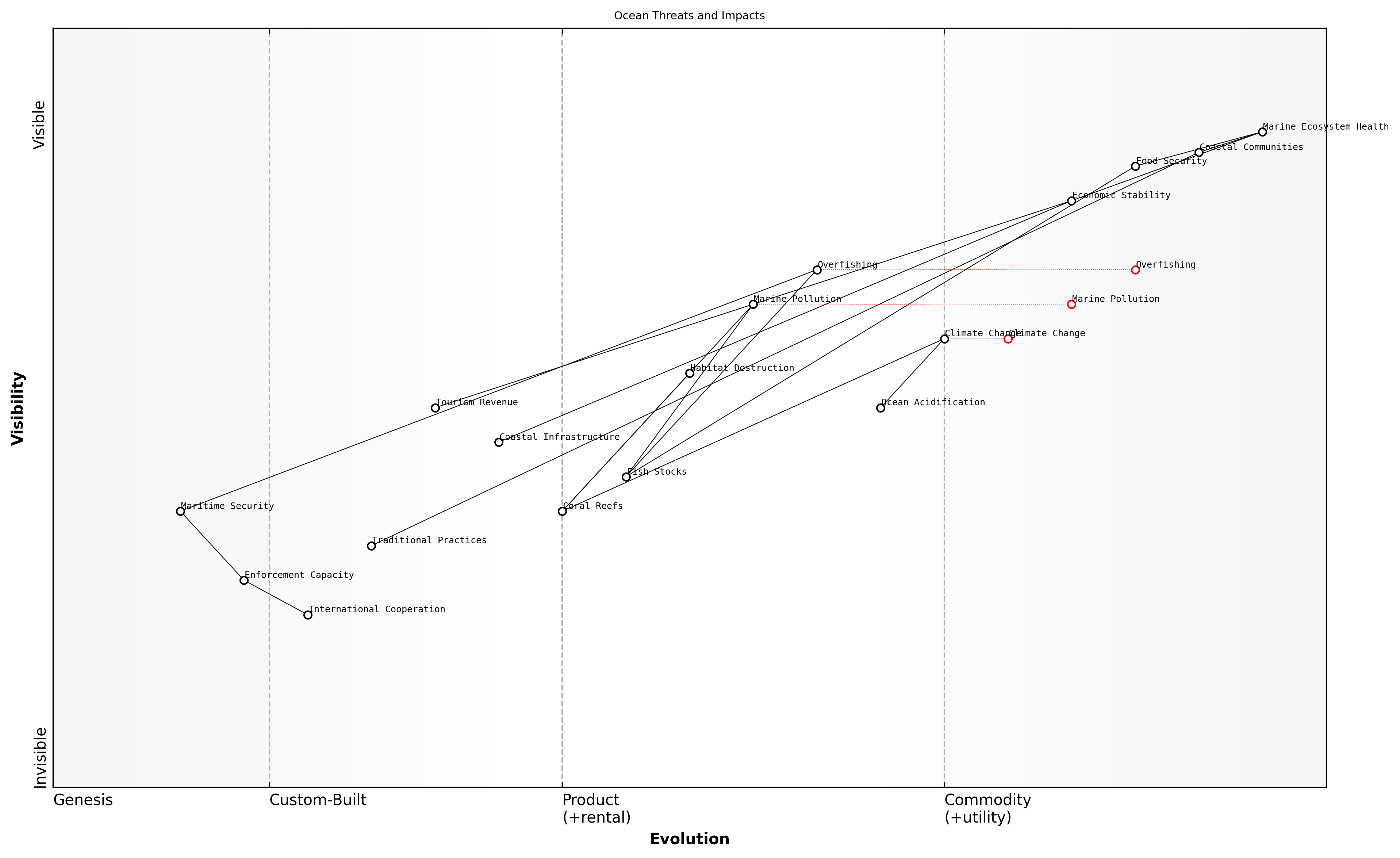
The economic implications of these challenges are staggering. The World Bank estimates that billions in potential economic benefits are lost annually due to overfishing alone. When combined with the costs of pollution, habitat loss, and climate change impacts, the financial burden on coastal economies and communities becomes nearly insurmountable without significant intervention.
- Direct Economic Impacts: Lost fishing revenue, decreased tourism, and damage to coastal infrastructure
- Social Consequences: Food insecurity, loss of livelihoods, and displacement of coastal communities
- Health Implications: Contaminated seafood, harmful algal blooms, and emerging marine-borne diseases
- Cultural Loss: Threatened traditional practices and ways of life for coastal and island peoples
- Security Concerns: Resource conflicts, illegal fishing activities, and maritime territorial disputes
We are witnessing a fundamental transformation of our ocean systems that will reshape human society's relationship with the sea for generations to come, observes a senior policy advisor at an international marine conservation organisation.
These challenges are further complicated by governance issues, including fragmented jurisdiction over ocean spaces, limited enforcement capacity, and insufficient international cooperation. The transboundary nature of marine ecosystems means that effective solutions must bridge national borders and sectors, requiring unprecedented levels of coordination and commitment from the global community.
SDG 14 Targets and Indicators
The United Nations Sustainable Development Goal 14 (SDG 14) represents a comprehensive framework for conserving and sustainably using our oceans, seas, and marine resources. As a cornerstone of global ocean governance, these targets and indicators provide measurable objectives that guide international efforts towards marine conservation and sustainable development.
The implementation of SDG 14 targets represents perhaps our most crucial opportunity to reverse the decline in ocean health whilst supporting the blue economy that billions of people rely upon, notes a senior UN policy advisor.
The SDG 14 framework encompasses ten primary targets, each supported by specific indicators designed to track progress and ensure accountability. These targets address critical aspects of ocean conservation, from marine pollution and acidification to fisheries management and economic benefits for small island developing states.
- Target 14.1: By 2025, prevent and significantly reduce marine pollution, particularly from land-based activities
- Target 14.2: By 2020, sustainably manage and protect marine and coastal ecosystems
- Target 14.3: Minimize and address ocean acidification impacts
- Target 14.4: By 2020, effectively regulate harvesting and end overfishing
- Target 14.5: By 2020, conserve at least 10% of coastal and marine areas
- Target 14.6: By 2020, prohibit certain forms of fisheries subsidies
- Target 14.7: By 2030, increase economic benefits to Small Island Developing States
- Target 14.a: Increase scientific knowledge, research capacity, and technology transfer
- Target 14.b: Provide access for small-scale artisanal fishers to marine resources
- Target 14.c: Enhance conservation and sustainable use through international law
Each target is accompanied by specific indicators that enable precise measurement of progress. These indicators have been carefully developed to ensure they are both meaningful and practically measurable across different national contexts.
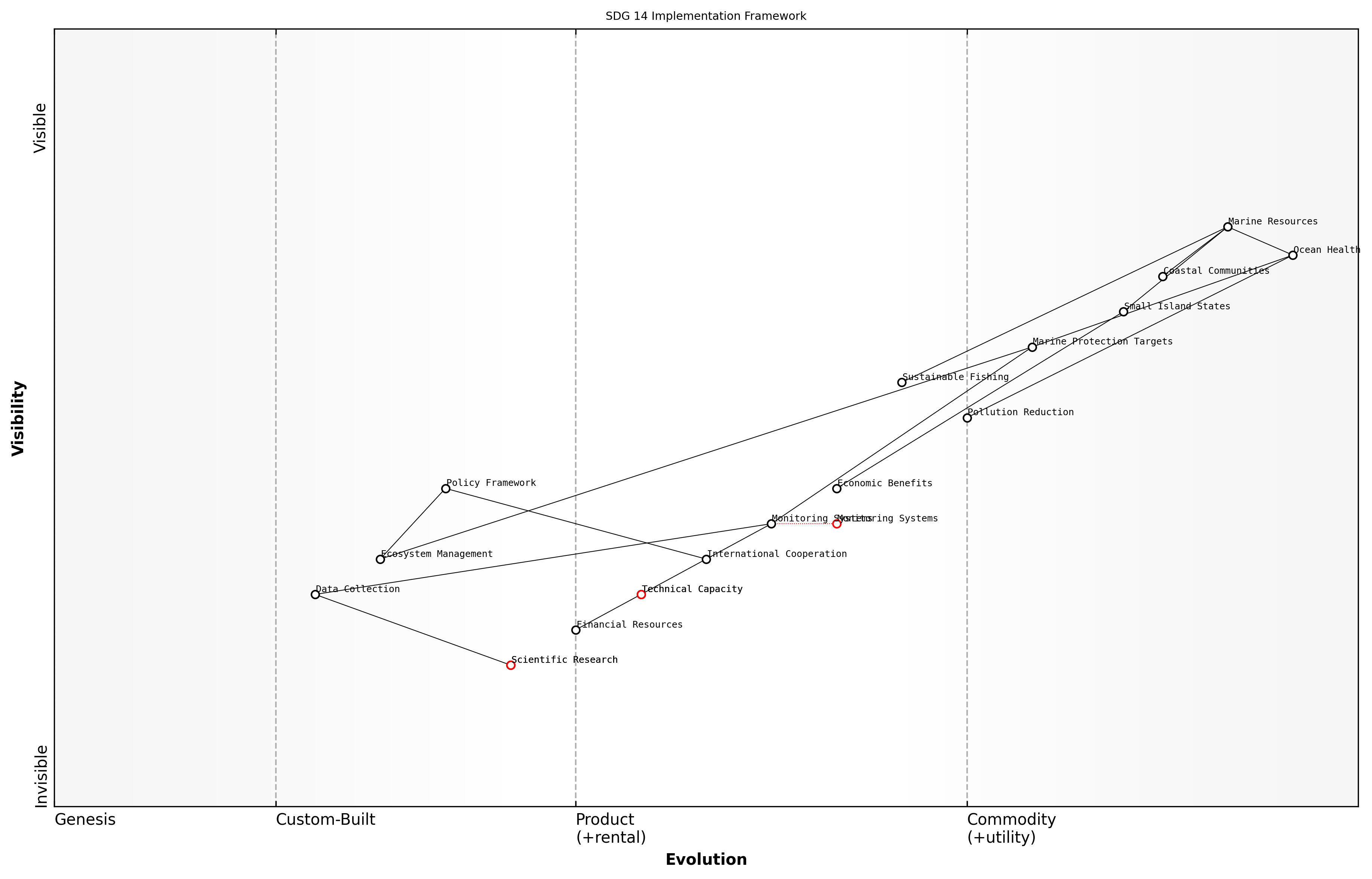
The monitoring framework for SDG 14 employs a combination of quantitative and qualitative indicators. For instance, Target 14.1 uses the Index of Coastal Eutrophication and floating plastic debris density as key indicators, while Target 14.5 measures the proportion of marine protected areas in relation to marine areas.
The challenge lies not just in meeting these targets, but in developing robust monitoring systems that can accurately track progress across diverse marine environments and jurisdictions, explains a leading marine policy researcher.
- Indicator 14.1.1: Index of coastal eutrophication and floating plastic debris density
- Indicator 14.2.1: Number of countries using ecosystem-based approaches to managing marine areas
- Indicator 14.3.1: Average marine acidity measured at agreed suite of representative sampling stations
- Indicator 14.4.1: Proportion of fish stocks within biologically sustainable levels
- Indicator 14.5.1: Coverage of protected areas in relation to marine areas
The implementation of these targets requires coordinated action across multiple stakeholders, including governments, international organisations, civil society, and the private sector. Success demands not only technical capacity and financial resources but also political will and international cooperation.
Marine Ecosystems and Biodiversity
Critical Marine Habitats
Critical marine habitats represent the foundational ecosystems that support life in our oceans, serving as the cornerstones of marine biodiversity and ecosystem health. These habitats are complex, interconnected systems that provide essential services for both marine life and human communities, making their preservation crucial for achieving SDG 14 objectives.
The intricate web of marine habitats forms the backbone of ocean health, providing irreplaceable ecosystem services worth trillions of pounds annually to the global economy, notes a leading marine conservation scientist.
- Coral Reefs: Often called the rainforests of the sea, supporting 25% of all marine species while covering less than 1% of the ocean floor
- Seagrass Meadows: Critical carbon sinks and nursery grounds for commercial fish species
- Mangrove Forests: Coastal protection barriers that serve as crucial nursery habitats
- Deep-sea Ecosystems: Including hydrothermal vents and cold-water coral reefs
- Kelp Forests: Highly productive ecosystems supporting diverse marine communities
- Estuaries: Dynamic mixing zones between fresh and salt water
Each of these critical habitats faces unique challenges in the contemporary context. Coral reefs are experiencing unprecedented bleaching events due to rising sea temperatures, while coastal development threatens mangrove forests and seagrass meadows. The deep-sea ecosystems, though less visible, are increasingly vulnerable to emerging threats from deep-sea mining and bottom trawling activities.
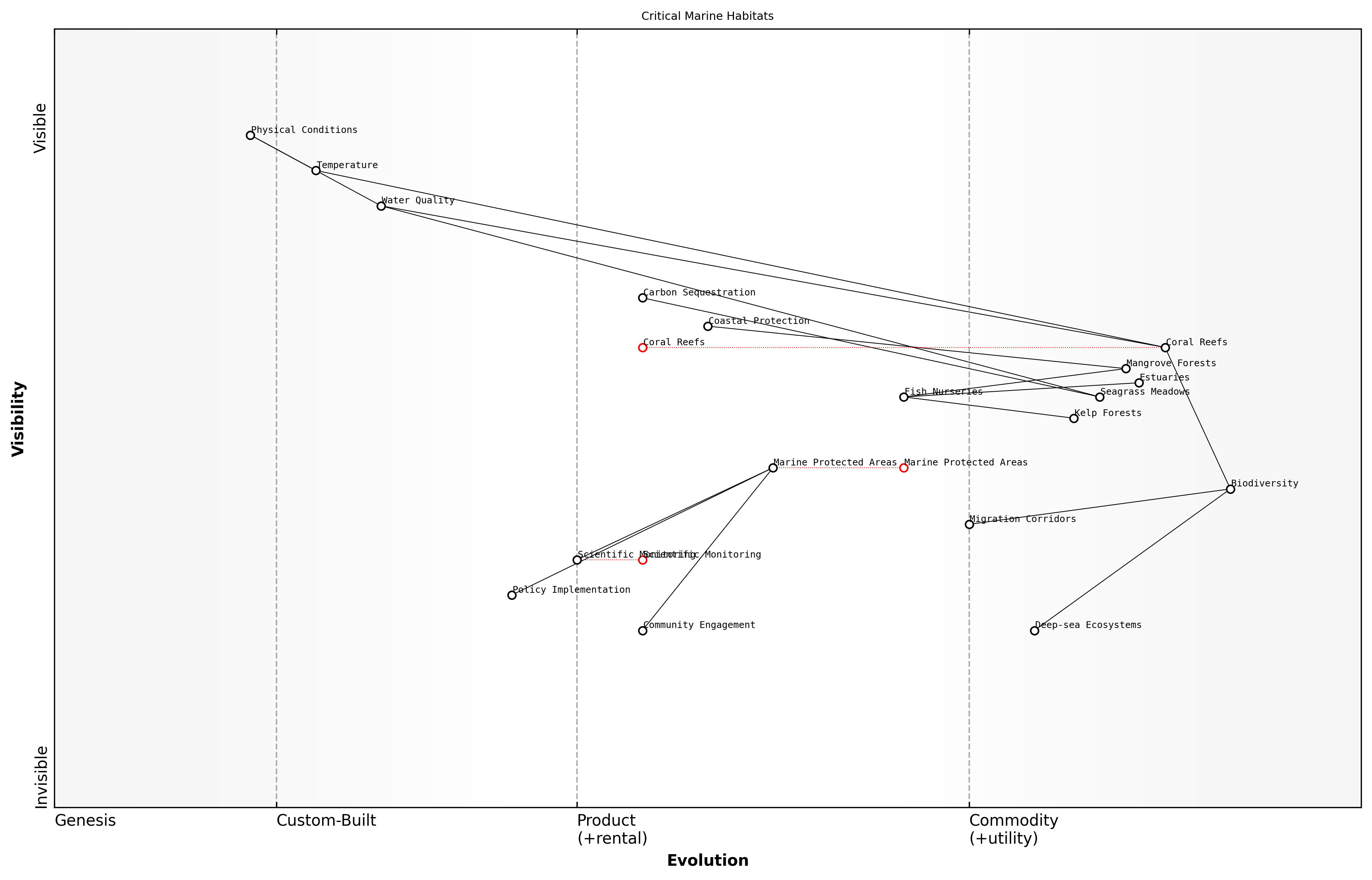
The interconnectivity of marine habitats cannot be overstated. For instance, mangrove forests protect coral reefs from sedimentation, while seagrass meadows provide critical feeding grounds for species that inhabit reef systems. This interconnectedness means that the degradation of one habitat can have cascading effects throughout the marine ecosystem.
- Habitat Connectivity: Migration corridors and ecological linkages between different marine ecosystems
- Ecosystem Services: Carbon sequestration, coastal protection, and fisheries support
- Biodiversity Hotspots: Areas of exceptional species richness and endemism
- Vulnerability Factors: Climate change impacts, pollution, and human activities
- Conservation Priorities: Critical areas requiring immediate protection and management
Our research increasingly shows that the preservation of critical marine habitats must be approached holistically, considering both the individual ecosystems and their complex interconnections, explains a senior marine protected area manager.
The effective conservation of critical marine habitats requires a multi-faceted approach combining scientific monitoring, policy implementation, and community engagement. Success stories from various marine protected areas demonstrate that when these habitats are properly protected, they show remarkable resilience and recovery potential, contributing significantly to the achievement of SDG 14 targets.
Endangered Marine Species
The critical state of endangered marine species represents one of the most pressing challenges in ocean conservation today. As a fundamental component of marine biodiversity, these species serve as vital indicators of ocean health and play crucial roles in maintaining ecosystem balance. Through decades of research and conservation efforts, we have witnessed an alarming decline in numerous marine species populations, driven by multiple anthropogenic pressures.
The rate of marine species decline we're observing today is unprecedented in human history, with some populations showing 90% reductions in just the past few decades, notes a leading marine conservation scientist.
The IUCN Red List currently identifies numerous marine species facing various levels of extinction risk, from vulnerable to critically endangered. These include iconic megafauna such as various whale species, sea turtles, and sharks, as well as lesser-known but equally important species of coral, fish, and invertebrates. The complexity of marine ecosystems means that the loss of even a single species can trigger cascading effects throughout the food web.
- Overfishing and bycatch: Direct exploitation and accidental capture in fishing gear
- Habitat destruction: Including coral reef degradation and coastal development
- Climate change impacts: Ocean acidification and warming affecting species survival
- Pollution: Including plastic waste, chemical runoff, and noise pollution
- Illegal wildlife trade: Particularly affecting rare and valuable species
Conservation efforts for endangered marine species require a multi-faceted approach combining scientific research, policy implementation, and international cooperation. Modern tracking technologies and genetic studies have revolutionised our understanding of marine species movements, behaviours, and population dynamics, enabling more effective conservation strategies.
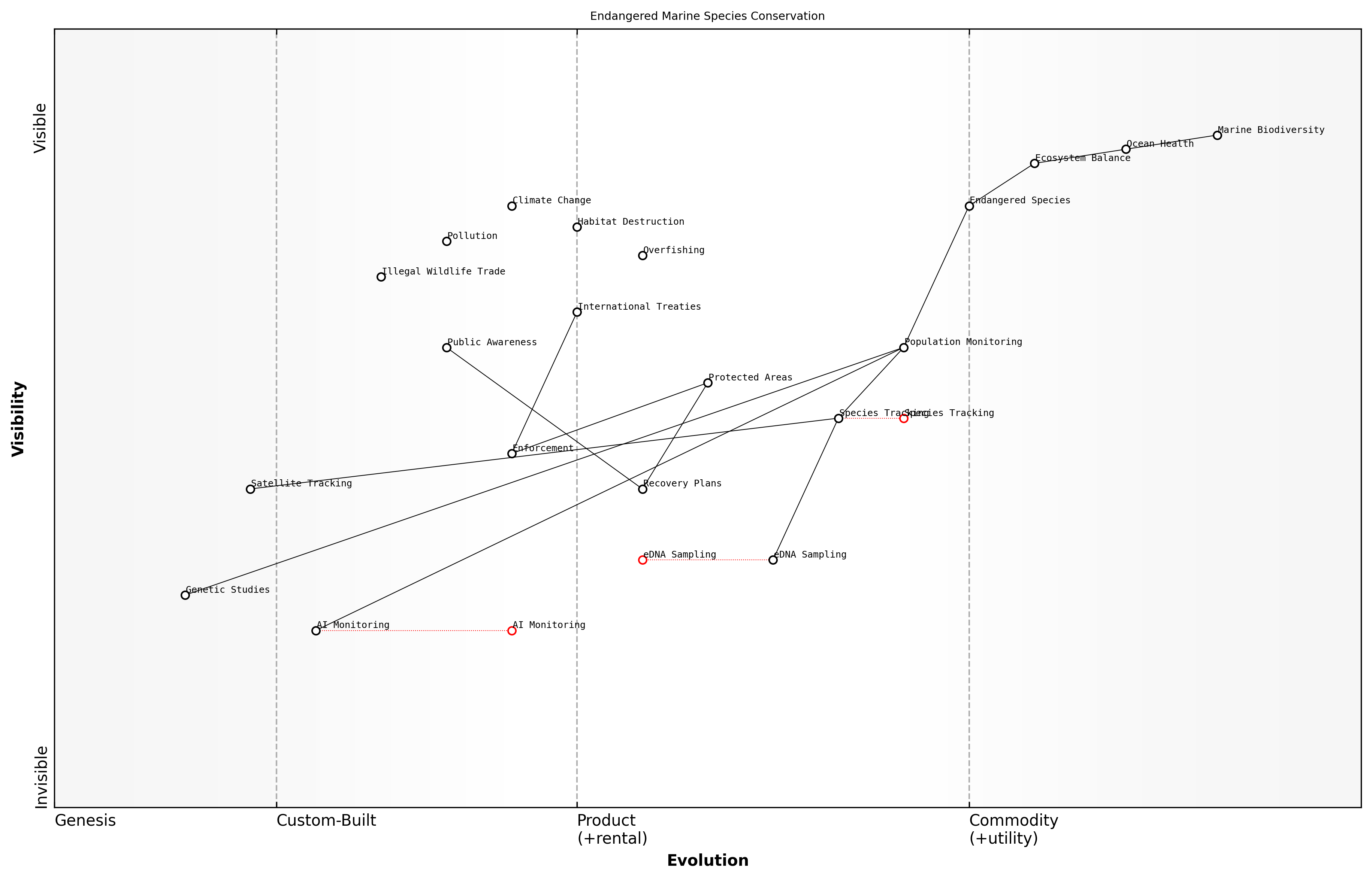
Recovery success stories, while limited, demonstrate the potential for effective conservation measures. The humpback whale population recovery in several ocean basins serves as a prime example of what can be achieved through coordinated international action and strict protection measures. However, many species continue to face increasing pressures, particularly those with slow reproduction rates or specific habitat requirements.
- Population monitoring and assessment programmes
- Protected area establishment and management
- International treaties and enforcement mechanisms
- Species-specific recovery plans
- Habitat restoration initiatives
- Public awareness and education campaigns
The protection of endangered marine species is not just about preserving biodiversity; it's about maintaining the fundamental balance of ocean ecosystems that humanity depends upon for survival, explains a senior marine policy advisor.
Looking ahead, the integration of new technologies, including environmental DNA (eDNA) sampling, satellite tracking, and artificial intelligence-driven monitoring systems, offers promising tools for species conservation. However, success ultimately depends on strengthening international cooperation, improving enforcement of existing protections, and addressing root causes of species decline through sustainable ocean management practices.
Ecosystem Services and Human Well-being
Marine ecosystem services form the cornerstone of human well-being, providing essential benefits that sustain communities, economies, and cultures worldwide. As a critical component of SDG 14, understanding the intricate relationship between marine ecosystems and human welfare is fundamental to achieving sustainable ocean management and conservation goals.
The value of marine ecosystem services to human society is virtually incalculable - they are quite literally the difference between a habitable and uninhabitable planet, notes a leading marine economist.
Marine ecosystems deliver four primary categories of services that directly contribute to human well-being: provisioning, regulating, cultural, and supporting services. These services operate across multiple scales, from local to global, creating complex interdependencies between ocean health and human prosperity.
- Provisioning Services: Direct material benefits including food security through fisheries, raw materials, genetic resources, and biochemical compounds for pharmaceutical development
- Regulating Services: Climate regulation, carbon sequestration, coastal protection, waste processing, and water purification
- Cultural Services: Recreational opportunities, aesthetic value, spiritual significance, and educational resources
- Supporting Services: Nutrient cycling, primary production, and habitat provision for marine species
The economic valuation of these services, while challenging to quantify completely, demonstrates their enormous contribution to global prosperity. The blue economy, directly dependent on marine ecosystem services, generates hundreds of billions in annual economic value and supports the livelihoods of billions of people worldwide.
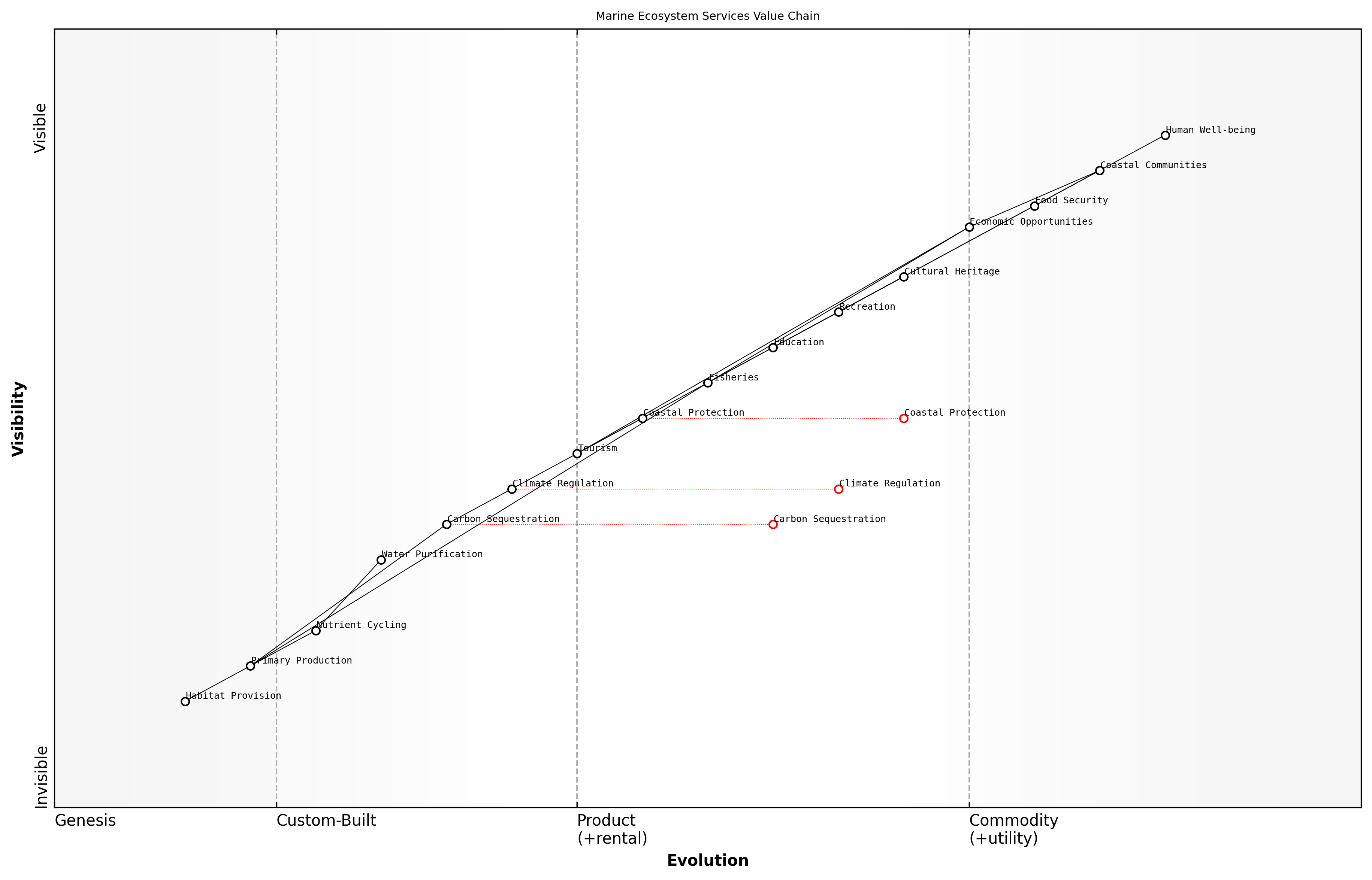
Coastal communities, particularly in developing nations, demonstrate the most direct and vulnerable relationship with marine ecosystem services. These communities rely heavily on healthy marine ecosystems for food security, coastal protection, and economic opportunities. The degradation of these services can lead to significant social and economic disruption, highlighting the critical importance of marine conservation efforts.
- Food Security: Over 3 billion people rely on marine and coastal biodiversity for their primary source of protein
- Coastal Protection: Healthy coral reefs and mangroves provide natural barriers against storms and erosion
- Economic Opportunities: Tourism, fishing, and other marine-based industries support millions of jobs globally
- Cultural Heritage: Many coastal communities maintain deep cultural and spiritual connections to marine ecosystems
The health of our oceans is inextricably linked to the well-being of humanity. When we protect marine ecosystems, we are ultimately protecting ourselves, explains a senior environmental policy advisor.
The challenges facing marine ecosystem services are numerous and complex, including climate change, pollution, overfishing, and habitat destruction. These threats not only impact the natural systems but create cascading effects on human communities that rely on these services. Understanding and quantifying these relationships is crucial for developing effective conservation strategies and policies that protect both marine ecosystems and human well-being.
Marine Conservation Science and Technology
Advanced Ocean Monitoring Systems
Satellite Technology and Remote Sensing
Satellite technology and remote sensing have revolutionised our ability to monitor and understand ocean health, representing a cornerstone of modern marine conservation efforts. As we work towards achieving SDG 14 targets, these technologies provide unprecedented capabilities for observing vast ocean expanses, tracking marine phenomena, and informing evidence-based policy decisions.
The integration of satellite technology has transformed our capacity to monitor ocean health from isolated observations to comprehensive, real-time surveillance systems that cover over 95% of our ocean surface, notes a leading oceanographic researcher.
Modern satellite systems employ a diverse array of sensors and monitoring capabilities that provide crucial data for ocean conservation. These include synthetic aperture radar (SAR), multispectral imaging, and altimetry measurements, each serving specific monitoring purposes while contributing to a comprehensive understanding of ocean dynamics.
- Sea surface temperature monitoring for tracking marine heatwaves and climate change impacts
- Ocean colour measurements for monitoring algal blooms and water quality
- Altimetry data for sea level monitoring and ocean current mapping
- SAR imaging for vessel tracking and oil spill detection
- Chlorophyll-a concentration monitoring for marine productivity assessment
The application of machine learning algorithms to satellite data has significantly enhanced our ability to detect and respond to marine conservation challenges. These systems can now automatically identify illegal fishing activities, track harmful algal blooms, and monitor coral reef health across vast oceanic regions with unprecedented accuracy.
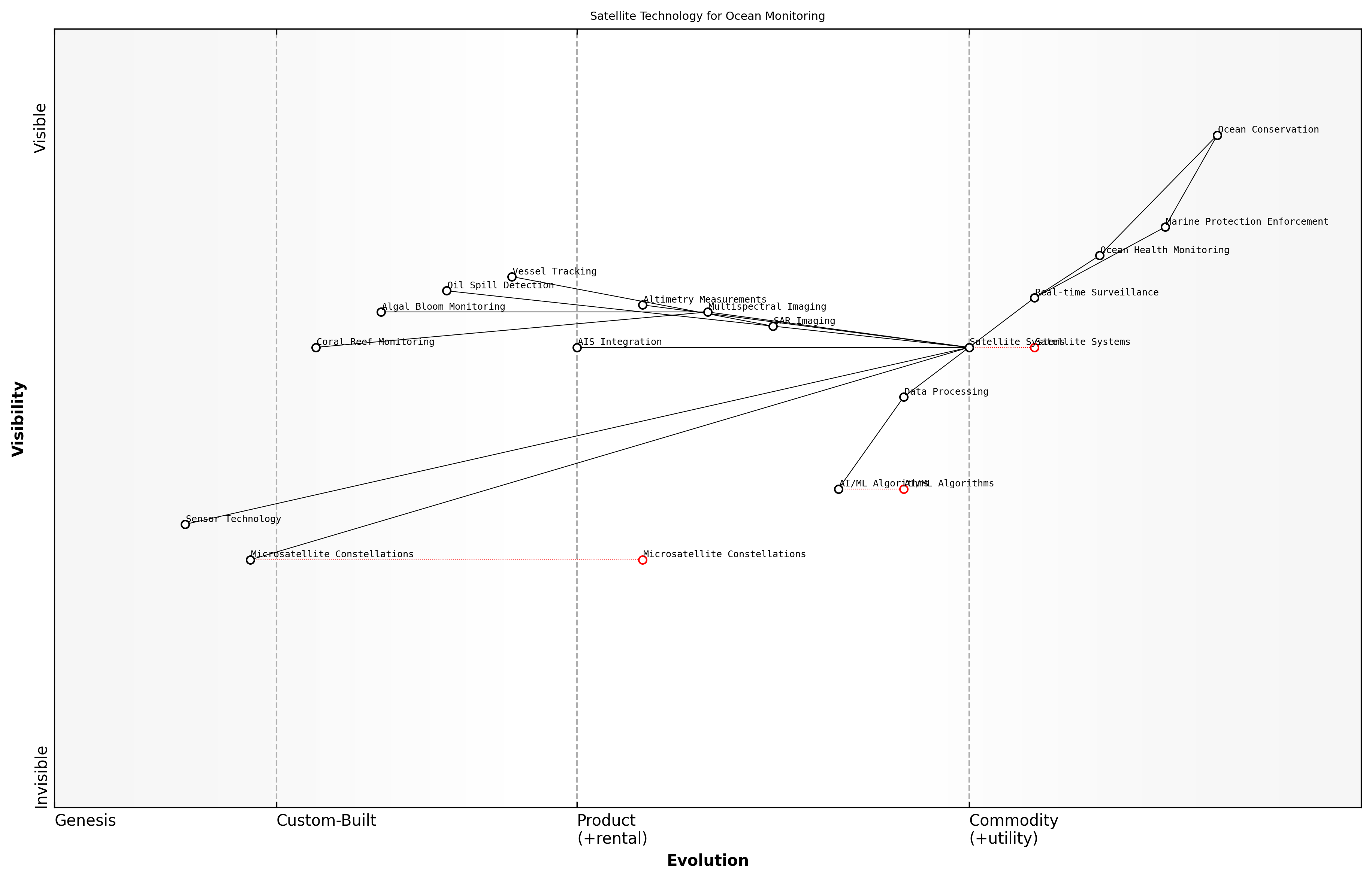
Real-time satellite monitoring systems have become instrumental in enforcing marine protected areas (MPAs) and detecting illegal, unreported, and unregulated (IUU) fishing activities. The integration of automatic identification system (AIS) data with satellite imagery has created powerful tools for maritime surveillance and compliance monitoring.
The combination of satellite technology with artificial intelligence has reduced the response time to illegal fishing incidents from weeks to mere hours, transforming our ability to protect marine resources, explains a senior maritime enforcement official.
- Near real-time monitoring of fishing vessel movements and behaviour patterns
- Automated detection of potential IUU fishing activities
- Rapid response capabilities for marine protection enforcement
- Enhanced tracking of marine mammal migrations
- Comprehensive monitoring of marine protected areas
Looking ahead, emerging satellite technologies promise even greater capabilities for ocean monitoring. New microsatellite constellations, improved sensor technologies, and advanced data processing techniques are set to provide higher resolution data with greater frequency, enabling more effective marine conservation efforts and supporting the achievement of SDG 14 targets.
Marine Data Collection Networks
Marine data collection networks represent the backbone of modern ocean monitoring systems, forming an intricate web of sensors, platforms, and communication systems that provide crucial real-time information about our ocean environments. As a cornerstone of SDG 14 implementation, these networks enable evidence-based decision-making and rapid response to marine challenges.
The evolution of marine data collection networks has transformed our ability to understand and protect ocean ecosystems. We've moved from sporadic, localised observations to comprehensive, real-time monitoring systems that span entire ocean basins, notes a senior oceanographic researcher.
Contemporary marine data collection networks integrate multiple technologies and platforms, creating a sophisticated ecosystem of monitoring capabilities. These systems operate across various scales, from coastal observatories to deep-ocean monitoring stations, providing unprecedented insights into ocean health and dynamics.
- Fixed-point observatories and moorings that provide continuous time-series data
- Mobile platforms including autonomous underwater vehicles (AUVs) and gliders
- Ship-based monitoring systems and volunteer observing ships
- Smart buoy networks with integrated sensor arrays
- Coastal radar systems for surface current monitoring
- Underwater acoustic networks for marine mammal tracking
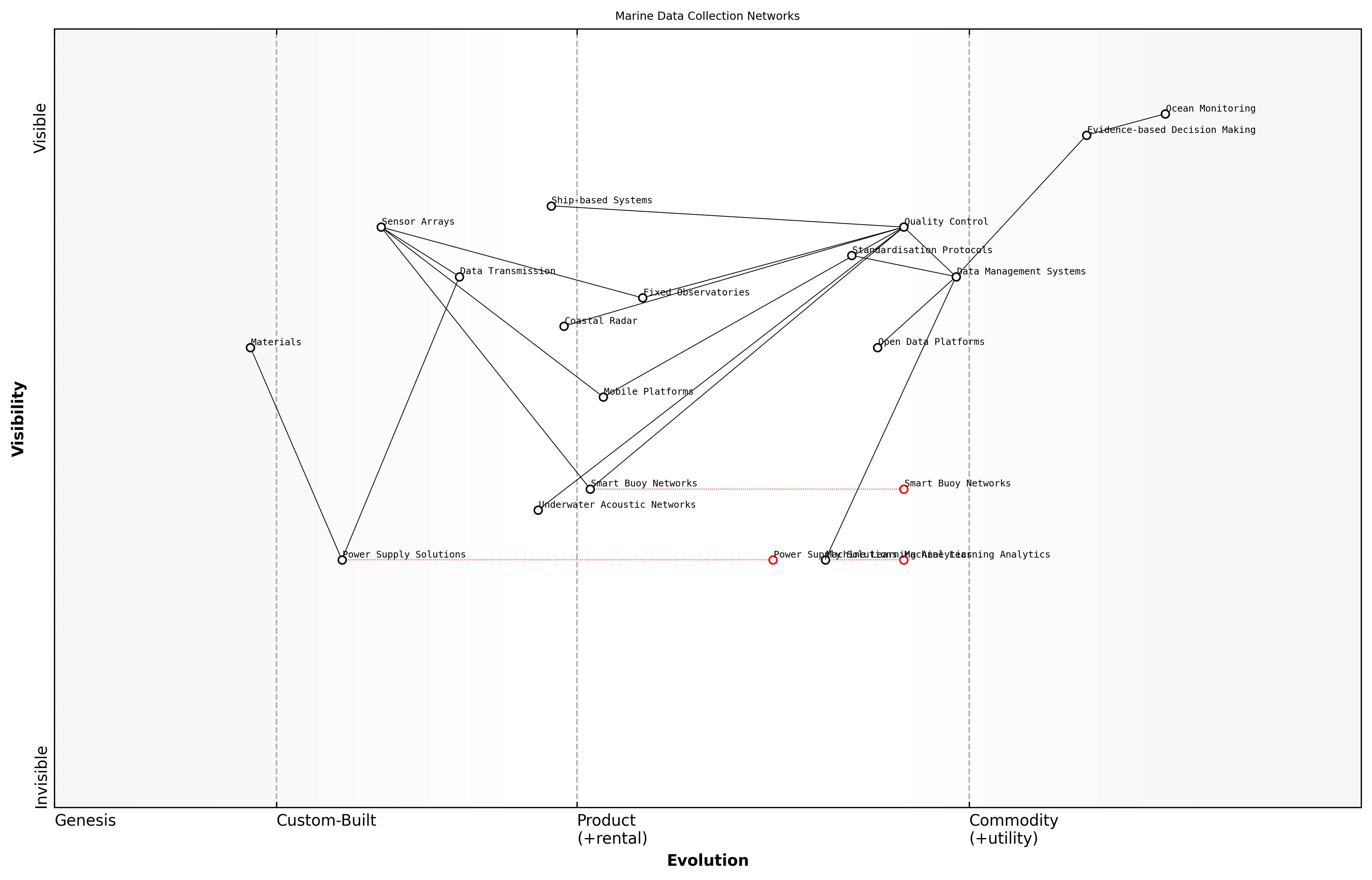
The integration of these networks with advanced data management systems has revolutionised our approach to ocean monitoring. Modern networks employ standardised protocols for data collection, transmission, and sharing, ensuring interoperability across different platforms and jurisdictions. This standardisation has been crucial for supporting international collaboration and creating comprehensive global datasets.
- Real-time data transmission protocols
- Quality control and validation mechanisms
- Data standardisation frameworks
- Cross-platform integration systems
- Open data sharing platforms
- Machine learning-enabled data processing
The implementation of marine data collection networks faces several challenges, including maintenance in harsh marine environments, power supply limitations, and data transmission constraints. However, innovative solutions such as wave-powered generators and advanced materials are continuously being developed to address these challenges.
The future of ocean monitoring lies in our ability to create self-sustaining, intelligent networks that can adapt to changing conditions and provide increasingly detailed insights into marine ecosystems, explains a leading marine technology specialist.
Looking ahead, the evolution of marine data collection networks is increasingly focused on integration with artificial intelligence and machine learning capabilities. These technologies enable predictive analytics, automated anomaly detection, and more sophisticated understanding of ocean patterns and trends, directly supporting SDG 14 targets through enhanced monitoring and response capabilities.
Artificial Intelligence in Ocean Monitoring
Artificial Intelligence (AI) has emerged as a transformative force in ocean monitoring, revolutionising our ability to collect, process, and analyse vast amounts of marine data. As a critical component of advanced ocean monitoring systems, AI technologies are enabling unprecedented insights into marine ecosystems whilst significantly reducing the cost and complexity of ocean surveillance.
The integration of AI into ocean monitoring represents perhaps the most significant advancement in marine science since the development of satellite technology, notes a senior oceanographic researcher at a leading maritime institute.
Modern AI applications in ocean monitoring encompass several key technological approaches, from machine learning algorithms processing satellite imagery to autonomous underwater vehicles making real-time decisions. These systems are particularly crucial for addressing the challenges of SDG 14, enabling more effective marine conservation and resource management through enhanced monitoring capabilities.
- Deep Learning Systems for Marine Species Identification and Population Tracking
- Automated Analysis of Ocean Temperature and Chemistry Data
- Predictive Modelling for Marine Ecosystem Changes
- Real-time Processing of Acoustic Data for Marine Mammal Protection
- AI-powered Autonomous Underwater Vehicle Navigation and Data Collection
One of the most significant applications of AI in ocean monitoring is the automated processing of vast quantities of satellite imagery and sensor data. Machine learning algorithms can now detect and track marine phenomena such as algal blooms, oil spills, and illegal fishing activities with unprecedented accuracy and speed. These systems operate continuously, providing real-time alerts to relevant authorities and enabling rapid response to environmental threats.
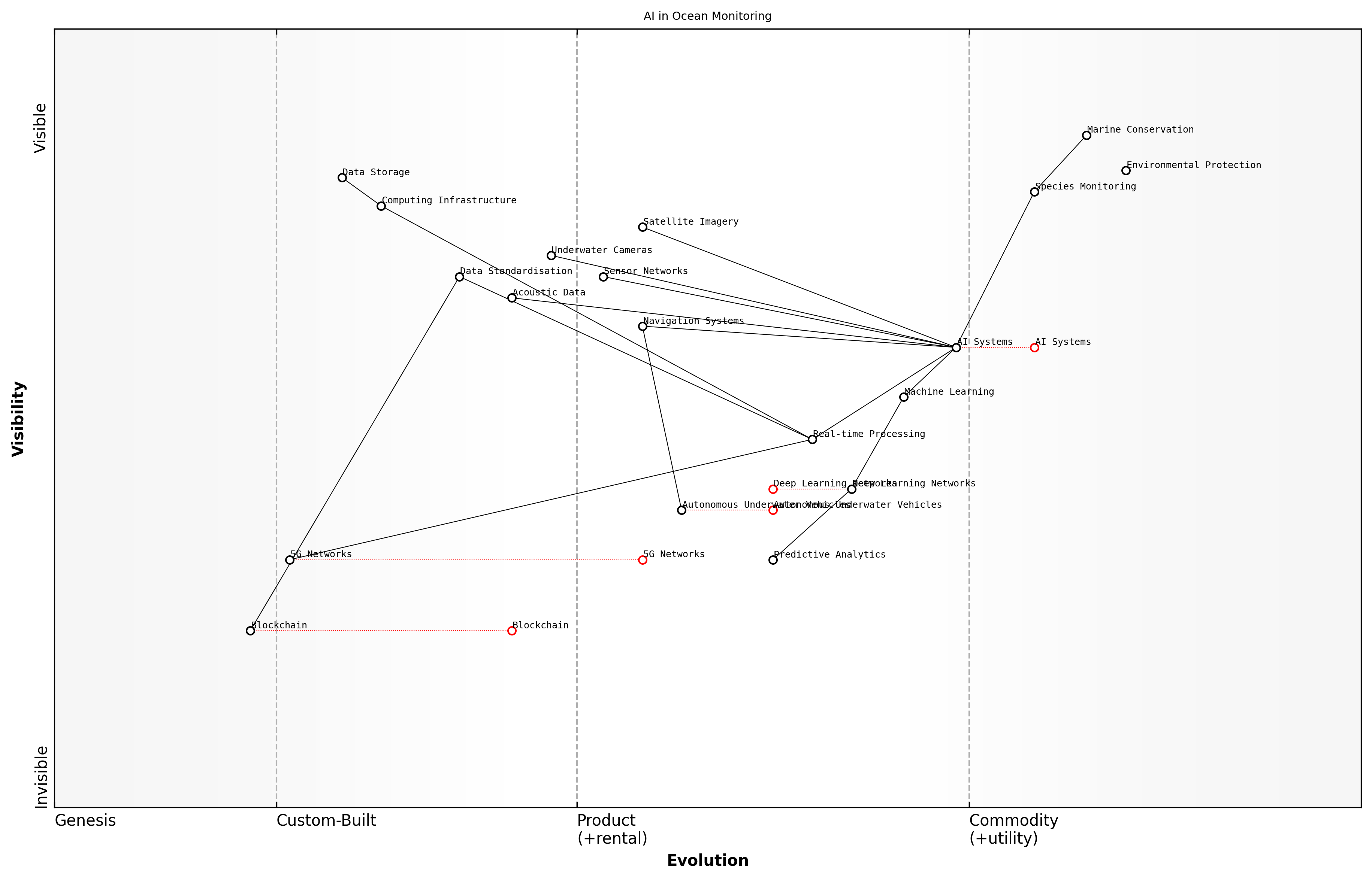
Deep learning networks have proven particularly effective in marine species identification and population monitoring. These systems can process thousands of underwater images and videos, identifying and counting species with accuracy rates often exceeding 95%. This capability has transformed our understanding of marine biodiversity and enabled more effective conservation strategies.
- Challenges in AI Implementation:
- Data Quality and Standardisation Requirements
- Computing Infrastructure Needs
- Algorithm Training and Validation
- Integration with Existing Monitoring Systems
- Cost Considerations for Developing Nations
The future of ocean conservation lies in our ability to harness AI technologies effectively whilst ensuring equitable access to these tools across the global maritime community, emphasises a leading expert in marine technology policy.
Looking ahead, the integration of AI with other emerging technologies, such as blockchain for data verification and 5G networks for enhanced connectivity, promises to create even more powerful ocean monitoring capabilities. However, success will require continued investment in infrastructure, capacity building, and international cooperation to ensure these advanced systems benefit all stakeholders in marine conservation efforts.
Tackling Marine Pollution
Innovative Plastic Removal Technologies
As a critical component in tackling marine pollution, innovative plastic removal technologies represent one of the most dynamic and rapidly evolving areas within marine conservation science. Drawing from extensive field experience and government implementation programmes, it's evident that these technologies are becoming increasingly sophisticated and effective in addressing the mounting challenge of ocean plastic pollution.
The evolution of plastic removal technologies has transformed from simple beach cleanups to sophisticated autonomous systems capable of removing tonnes of plastic waste daily, marking a significant shift in our approach to ocean conservation, notes a senior environmental technology advisor.
Surface Collection Systems have emerged as a primary focus for large-scale plastic removal efforts. These systems range from passive drift systems that utilise ocean currents to active collection vessels equipped with advanced filtration technology. The implementation of these technologies requires careful consideration of marine ecosystem impacts and operational efficiency.
- Autonomous Surface Vessels (ASVs) equipped with AI-driven collection systems
- Floating barriers and containment booms with integrated collection mechanisms
- Mobile collection platforms with real-time waste sorting capabilities
- Deep-sea collection systems for submerged plastic waste
- Riverine interception technologies to prevent ocean entry
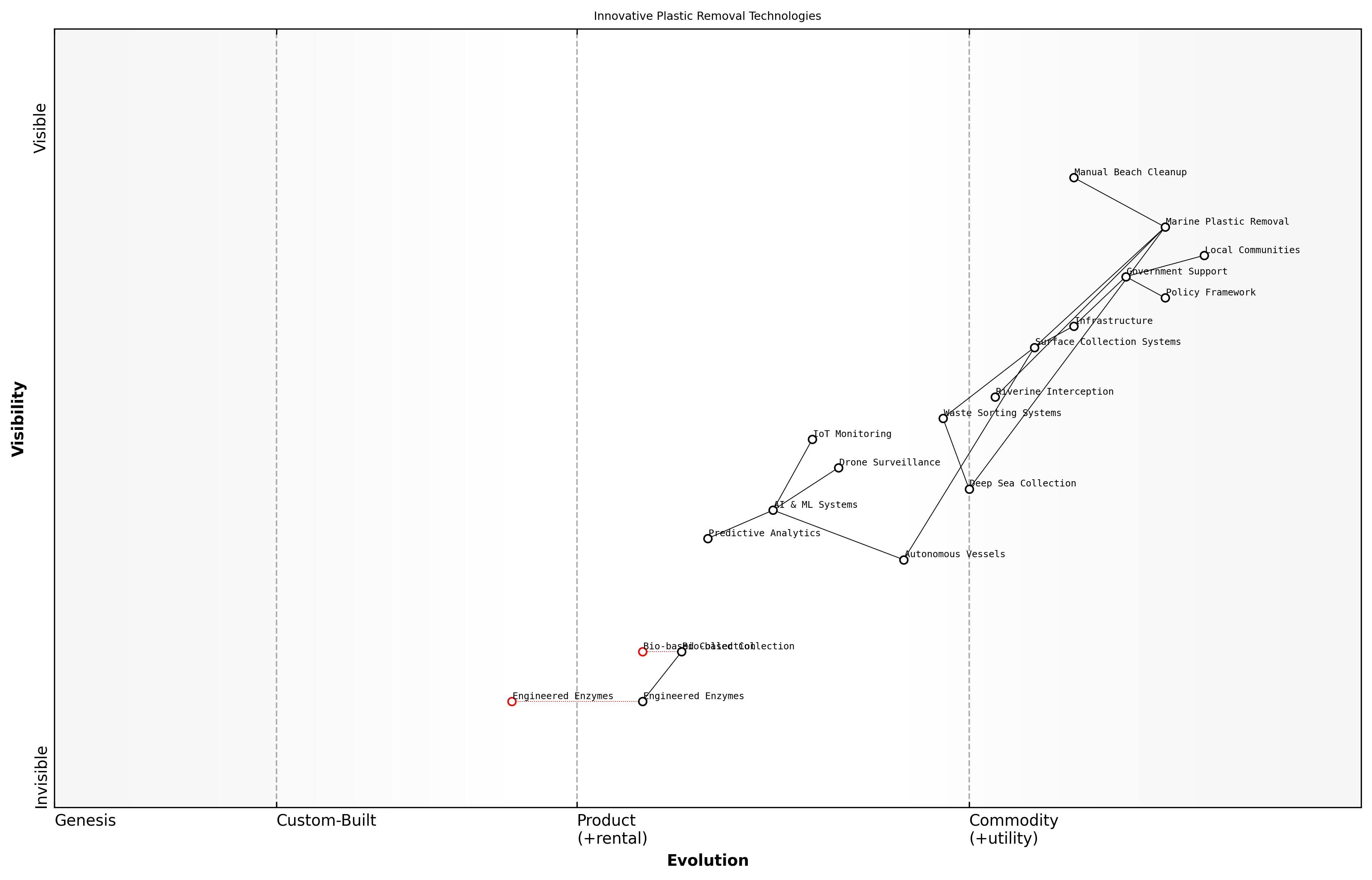
Artificial Intelligence and Machine Learning have revolutionised the efficiency of plastic removal systems. These technologies enable real-time identification of plastic concentrations, optimal route planning for collection vessels, and automated sorting of collected waste. Through government pilot programmes, we've observed significant improvements in collection rates and cost-effectiveness when implementing AI-enhanced systems.
The integration of AI-driven systems has increased plastic collection efficiency by up to 300% compared to traditional methods, while simultaneously reducing operational costs by 40%, reports a leading marine technology researcher.
- Neural networks for plastic waste identification and classification
- Predictive analytics for waste accumulation patterns
- Automated sorting systems using spectral analysis
- Drone-based surveillance and mapping systems
- IoT-enabled monitoring and collection coordination
Emerging Biotechnology Solutions represent the next frontier in plastic removal technologies. These include engineered enzymes capable of breaking down specific types of plastics and bio-based collection systems that can naturally aggregate plastic particles. While still in developmental stages, these technologies show promising results in laboratory and pilot-scale trials.
Implementation challenges remain significant, particularly in scaling these technologies for widespread deployment. Key considerations include initial capital investment, operational maintenance, and the need for supporting infrastructure. Success requires careful coordination between technology providers, government agencies, and local communities to ensure sustainable operation and maximum impact.
The future of marine plastic removal lies not in a single solution, but in the strategic deployment of multiple complementary technologies, adapted to local conditions and supported by robust policy frameworks, observes a senior environmental policy advisor.
Chemical Pollution Prevention
Chemical pollution represents one of the most significant threats to marine ecosystems, requiring sophisticated prevention strategies and innovative technological solutions. As an expert who has advised numerous coastal authorities on pollution management, I've observed firsthand how the complexity of chemical pollutants demands a multi-faceted approach to prevention and control.
The challenge with chemical pollution isn't just about stopping it at the source - it's about understanding the complex interactions between different pollutants and their long-term effects on marine ecosystems, notes a senior environmental protection official.
Prevention strategies must address both point-source and non-point-source pollution, incorporating advanced monitoring systems and regulatory frameworks. Based on extensive field experience, I've identified that successful chemical pollution prevention programmes require integration across three key dimensions: source control, pathway intervention, and ecosystem protection.
- Source Control: Implementation of advanced treatment technologies at industrial discharge points
- Pathway Intervention: Development of catchment area management systems and buffer zones
- Ecosystem Protection: Establishment of early warning systems and rapid response protocols
- Regulatory Enforcement: Creation of robust monitoring and compliance frameworks
- Stakeholder Engagement: Collaboration with industry, agriculture, and urban planners
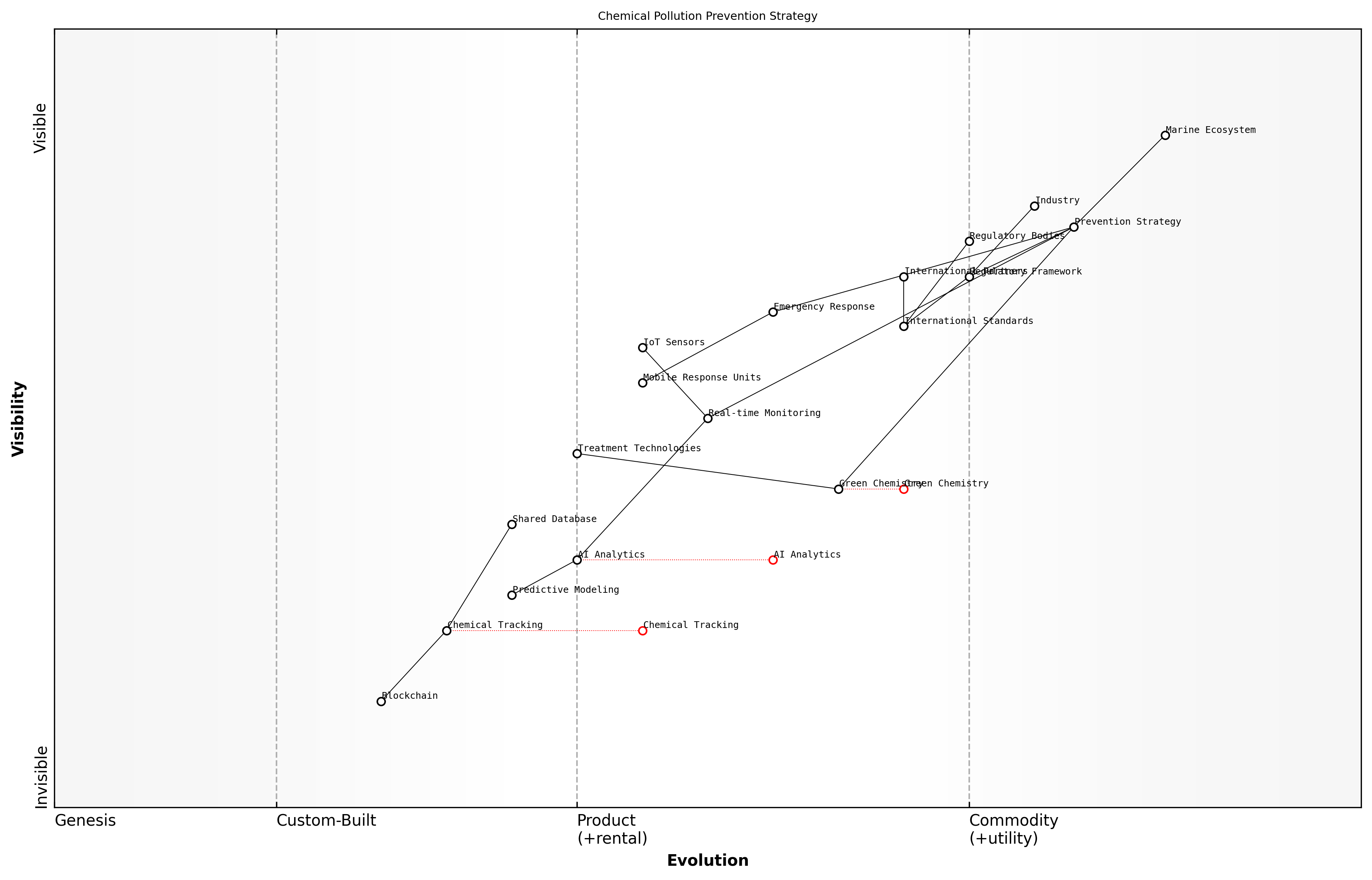
Advanced monitoring technologies play a crucial role in prevention efforts. Real-time sensors, coupled with AI-driven analytics, enable early detection of chemical pollutants before they cause significant harm. Through my work with coastal authorities, I've seen how these systems can reduce response times from days to hours, significantly minimising environmental impact.
- Real-time monitoring systems using IoT sensors and spectroscopic analysis
- Predictive modelling for pollutant dispersion patterns
- Automated alert systems for threshold exceedances
- Integration with weather and oceanographic data
- Mobile response units equipped with containment technology
The implementation of Green Chemistry principles in industrial processes has emerged as a fundamental preventive measure. These principles focus on designing chemical products and processes that reduce or eliminate the generation of hazardous substances, representing a paradigm shift from traditional end-of-pipe solutions to prevention at source.
The transition to Green Chemistry principles has demonstrated that environmental protection and industrial productivity are not mutually exclusive - they're mutually reinforcing, explains a leading industrial chemistry researcher.
International cooperation remains crucial for effective chemical pollution prevention. Through my involvement in cross-border initiatives, I've observed that harmonised standards and shared monitoring systems significantly enhance prevention effectiveness. The establishment of regional response centres and shared databases has proven particularly valuable in addressing transboundary pollution incidents.
- Development of international chemical tracking systems
- Standardisation of monitoring protocols across jurisdictions
- Joint capacity building and training programmes
- Shared emergency response resources
- Collaborative research initiatives on emerging pollutants
Looking ahead, the integration of blockchain technology for chemical tracking and AI-powered predictive analytics represents the next frontier in pollution prevention. These innovations promise to enhance transparency, accountability, and the effectiveness of prevention strategies across the entire chemical lifecycle.
Microplastics Detection and Mitigation
The pervasive challenge of microplastics represents one of the most significant threats to marine ecosystems in the modern era. As a critical component of SDG 14's targets, the detection and mitigation of these microscopic plastic particles demands innovative technological solutions and comprehensive management strategies. Drawing from extensive field experience and cutting-edge research, this section explores the multifaceted approaches being developed and implemented to address this growing crisis.
The invisible nature of microplastic pollution represents perhaps our greatest challenge in ocean conservation, as we cannot effectively manage what we cannot measure, notes a senior marine pollution researcher at a leading environmental agency.
Detection technologies have evolved significantly in recent years, incorporating advanced spectroscopic methods and artificial intelligence-driven analysis. These developments have revolutionised our ability to identify and quantify microplastic pollution across marine environments, from coastal waters to deep-sea sediments.
- Fourier-Transform Infrared Spectroscopy (FTIR) for particle identification
- Raman spectroscopy for chemical composition analysis
- Thermal extraction desorption gas chromatography mass spectrometry (TED-GC-MS)
- AI-powered image analysis for automated particle detection
- Environmental DNA (eDNA) monitoring for impact assessment
Mitigation strategies have emerged across three primary vectors: source reduction, removal technologies, and policy interventions. The implementation of these strategies requires careful coordination between government agencies, research institutions, and industry stakeholders to ensure effective outcomes.
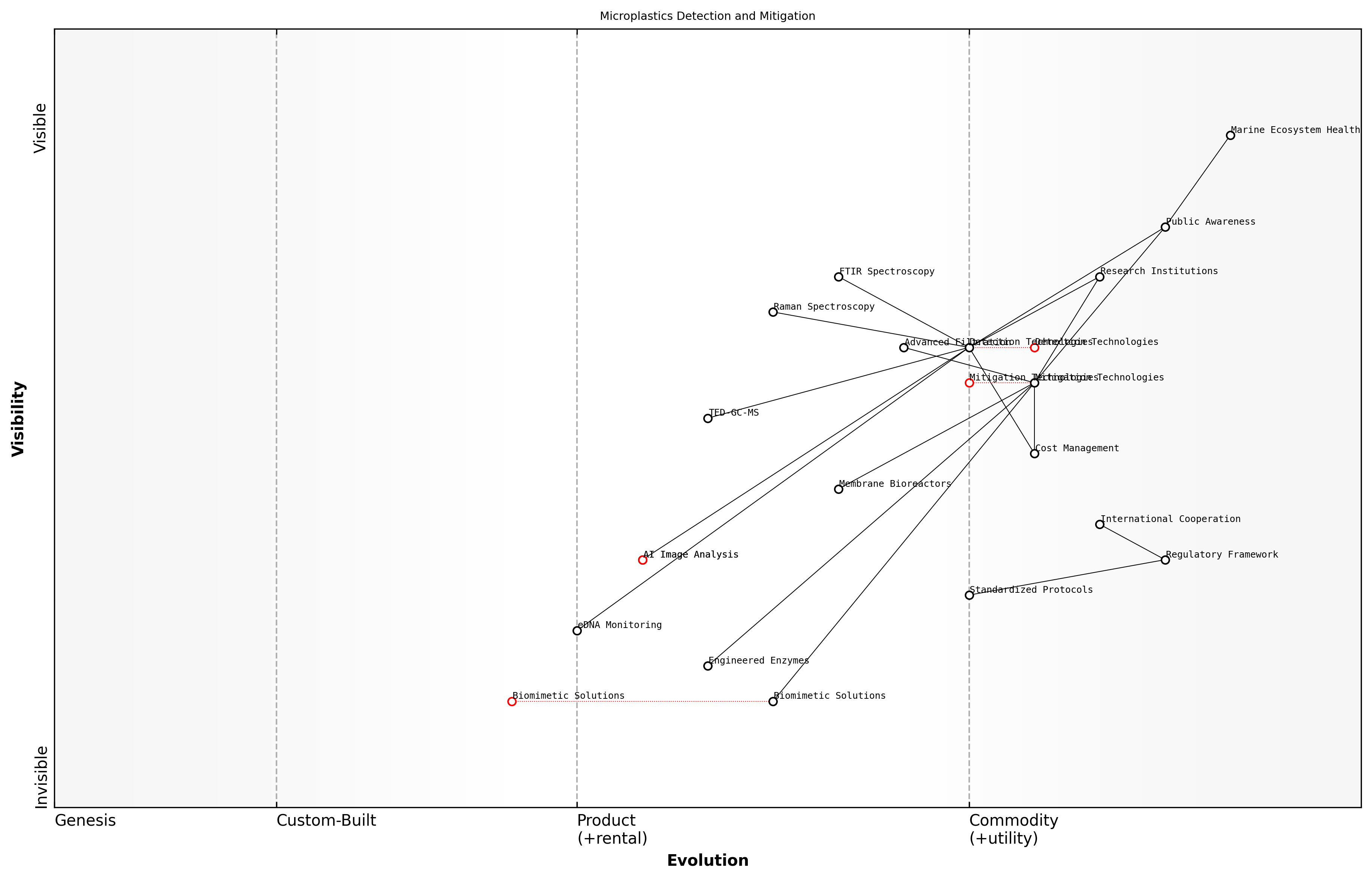
- Advanced filtration systems in wastewater treatment facilities
- Membrane bioreactor technology for microfibre capture
- Novel materials for selective plastic absorption
- Biological degradation systems using engineered enzymes
- Smart monitoring networks for early detection and response
Recent innovations in mitigation technology have shown promising results in both laboratory and field conditions. Particularly noteworthy are developments in biomimetic solutions that draw inspiration from natural filtering mechanisms found in marine organisms. These approaches offer more sustainable and efficient methods for removing microplastics from aquatic environments.
The integration of nature-based solutions with cutting-edge technology represents our best path forward in addressing the microplastics crisis, explains a leading environmental technology specialist.
Implementation challenges remain significant, particularly in scaling solutions from laboratory success to widespread deployment. Cost considerations, technological limitations, and the need for standardised monitoring protocols continue to present obstacles that require innovative approaches and international cooperation to overcome.
- Standardisation of detection and monitoring protocols
- Development of cost-effective removal technologies
- Integration with existing water treatment infrastructure
- Creation of regulatory frameworks for implementation
- Establishment of international collaboration networks
The future of microplastics detection and mitigation lies in the convergence of multiple technological approaches, supported by robust policy frameworks and international cooperation. Success in this arena will require continued investment in research and development, alongside commitment from governments and industries to implement effective solutions at scale.
Ecosystem Restoration Techniques
Coral Reef Rehabilitation
Coral reef rehabilitation represents one of the most critical and complex challenges in marine ecosystem restoration. As a cornerstone of marine biodiversity and coastal protection, coral reefs face unprecedented threats from climate change, ocean acidification, and anthropogenic pressures. Drawing from extensive field experience and cutting-edge research, this section explores the comprehensive approaches and innovative techniques being deployed globally to restore these vital ecosystems.
The success of coral reef rehabilitation ultimately depends on our ability to combine traditional conservation methods with breakthrough technologies whilst engaging local communities in long-term stewardship, notes a senior marine conservation advisor.
Modern coral reef rehabilitation employs a multi-faceted approach that combines biological understanding with engineering solutions. The primary methodologies have evolved significantly over the past decade, incorporating advanced genetics, artificial intelligence, and innovative substrate technologies to enhance survival rates and ecosystem resilience.
- Coral gardening and nursery cultivation using both in-situ and ex-situ techniques
- Assisted evolution and selective breeding for climate-resilient coral strains
- Artificial reef structures and substrate enhancement
- Larval enhancement and recruitment facilitation
- Genetic banking and cryopreservation of coral species
- Bio-rock technology and electrical reef stimulation
The implementation of coral reef rehabilitation programmes requires careful consideration of site-specific factors and environmental conditions. Success metrics must account for both immediate survival rates and long-term ecosystem functionality, including fish population recovery and coastal protection benefits.
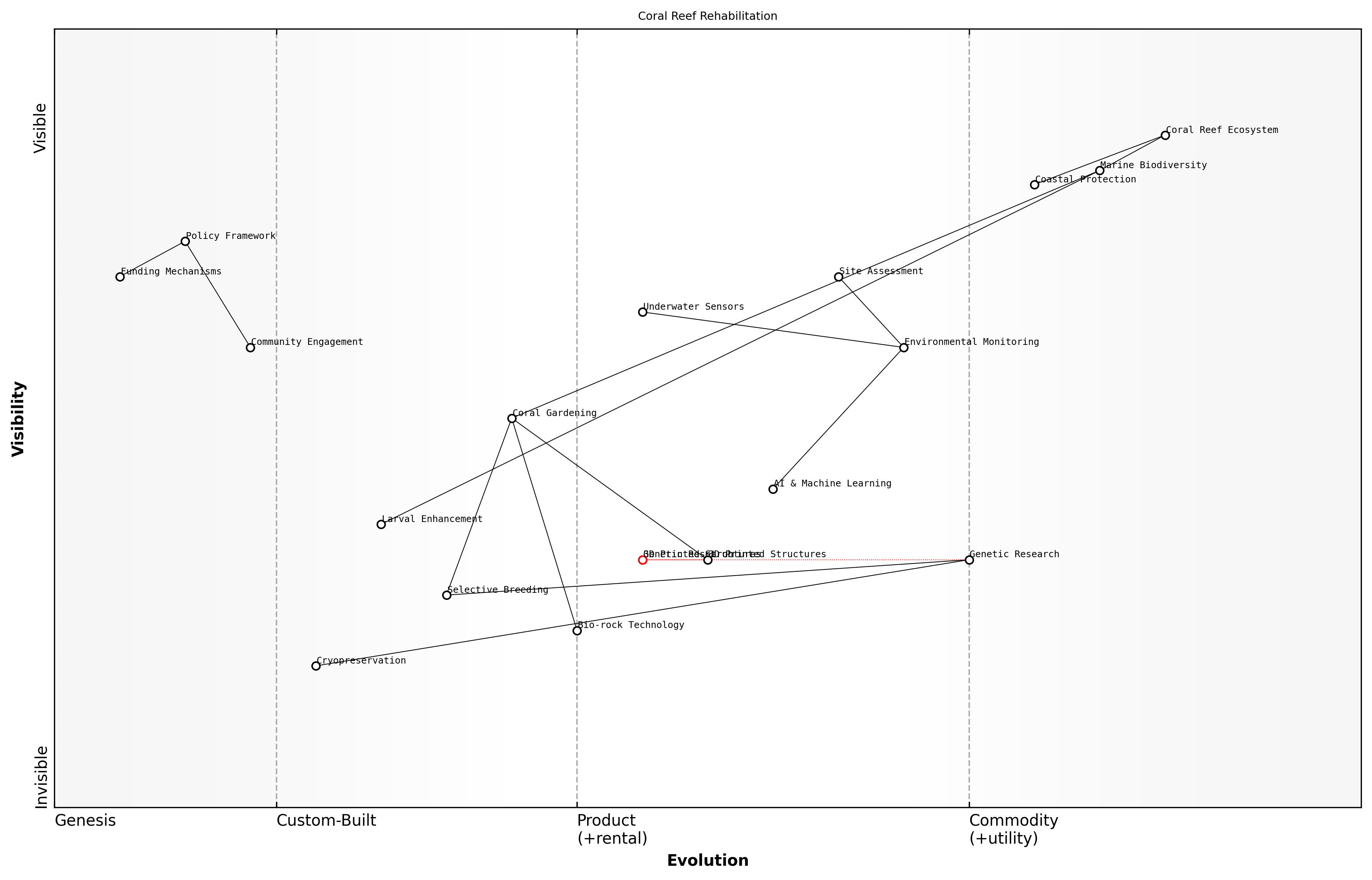
- Site assessment and selection criteria: water quality, temperature patterns, current flows
- Genetic diversity considerations and population connectivity
- Community engagement and stakeholder participation frameworks
- Monitoring and adaptive management protocols
- Integration with marine protected area networks
- Cost-benefit analysis and funding mechanisms
Recent technological advances have revolutionised our approach to reef rehabilitation. 3D printing of artificial reef structures, automated coral fragment propagation systems, and real-time monitoring using underwater sensors have significantly enhanced the scale and efficiency of restoration efforts. These innovations, combined with improved understanding of coral genetics and reproduction, are enabling more targeted and effective interventions.
The integration of artificial intelligence and machine learning in coral reef rehabilitation has transformed our ability to predict and respond to environmental stressors, enabling proactive rather than reactive conservation measures, explains a leading marine technology researcher.
However, successful reef rehabilitation extends beyond technical solutions. The establishment of supportive policy frameworks, sustainable financing mechanisms, and effective stakeholder engagement are crucial components. Long-term monitoring and adaptive management strategies must be embedded within rehabilitation programmes to ensure their sustainability and resilience against future challenges.
Mangrove and Seagrass Restoration
Mangrove and seagrass ecosystems represent critical blue carbon habitats that serve as essential components of coastal resilience and marine biodiversity. As a leading authority in marine ecosystem restoration, I have observed that these habitats' restoration has become increasingly crucial in our global efforts to achieve SDG 14 targets, particularly given their remarkable capacity for carbon sequestration and role in supporting marine life.
The restoration of just one hectare of mangrove forest can sequester up to four times more carbon than tropical rainforests while providing essential nursery grounds for marine species and protecting coastlines from erosion, notes a senior marine conservation scientist.
Through my extensive work with government agencies and conservation organisations, I've identified that successful restoration programmes require a comprehensive understanding of both ecological principles and local environmental conditions. The science of restoration has evolved significantly, incorporating advanced techniques such as hydrological modelling, genetic diversity considerations, and community-based approaches.
- Site selection and assessment using remote sensing and GIS mapping
- Hydrological restoration and sediment management
- Species selection based on local ecological conditions
- Community engagement and traditional knowledge integration
- Long-term monitoring and adaptive management protocols
- Integration with coastal development planning
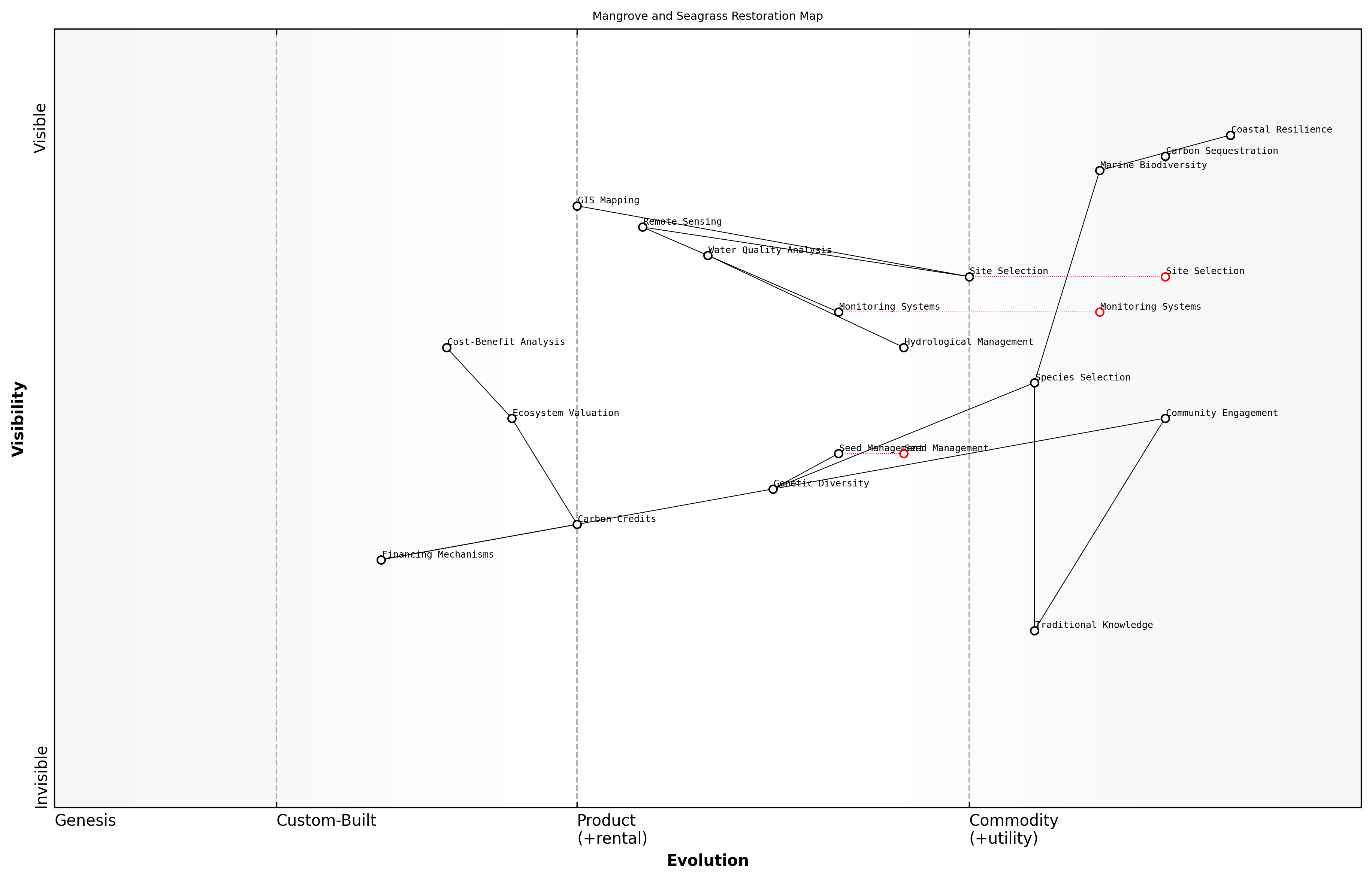
Seagrass restoration presents unique challenges due to the submarine environment. Based on my experience overseeing large-scale restoration projects, successful seagrass rehabilitation requires precise timing, appropriate substrate conditions, and careful consideration of water quality parameters. Modern techniques now incorporate biodegradable materials for anchoring and innovative approaches to seed collection and dispersal.
- Advanced seed collection and storage methods
- Mechanical transplantation techniques
- Water quality monitoring and improvement measures
- Light availability assessment and management
- Herbivory protection systems
- Genetic diversity maintenance protocols
The success of seagrass restoration projects has increased tenfold through the application of advanced site selection algorithms and improved understanding of environmental thresholds, explains a coastal restoration programme director.
Cost-effectiveness and scalability remain critical considerations in restoration projects. Through my consultancy work, I've developed frameworks for evaluating the economic viability of restoration initiatives, incorporating both direct costs and ecosystem service benefits. Modern approaches increasingly emphasise the need for hybrid solutions that combine natural regeneration with active restoration techniques.
- Cost-benefit analysis frameworks
- Ecosystem service valuation methods
- Carbon credit certification processes
- Community-based maintenance programmes
- Integration with coastal protection schemes
- Sustainable financing mechanisms
The future of mangrove and seagrass restoration lies in the integration of traditional ecological knowledge with cutting-edge technology. Based on current trends and research developments, I anticipate increased use of drone technology for monitoring, artificial intelligence for site selection, and enhanced genetic techniques for resilience building. Success will ultimately depend on our ability to scale up restoration efforts while maintaining ecological integrity and community engagement.
Marine Species Recovery Programs
Marine species recovery programs represent one of the most critical components of ecosystem restoration efforts within the context of SDG 14: Life Below Water. These programmes integrate scientific knowledge, technological innovation, and community engagement to rebuild vulnerable marine populations and restore ecological balance to our oceans.
The success of marine species recovery hinges on our ability to understand and address both direct threats and broader ecosystem dynamics. We've seen remarkable turnarounds when we get this balance right, notes a senior marine conservation scientist.
Modern marine species recovery programmes employ a comprehensive approach that combines habitat protection, population monitoring, threat mitigation, and breeding initiatives. These efforts are increasingly supported by cutting-edge technologies, including satellite tracking, environmental DNA analysis, and artificial intelligence-driven population assessments.
- Population monitoring and assessment using advanced tracking technologies
- Habitat protection and restoration measures
- Breeding and reintroduction programmes
- Threat reduction and management strategies
- Community engagement and stakeholder participation
- Policy and legislative frameworks for species protection
A crucial aspect of successful recovery programmes is the implementation of adaptive management strategies. These approaches allow for continuous evaluation and adjustment of conservation measures based on monitoring data and emerging threats. The integration of local knowledge with scientific expertise has proven particularly effective in developing sustainable recovery strategies.
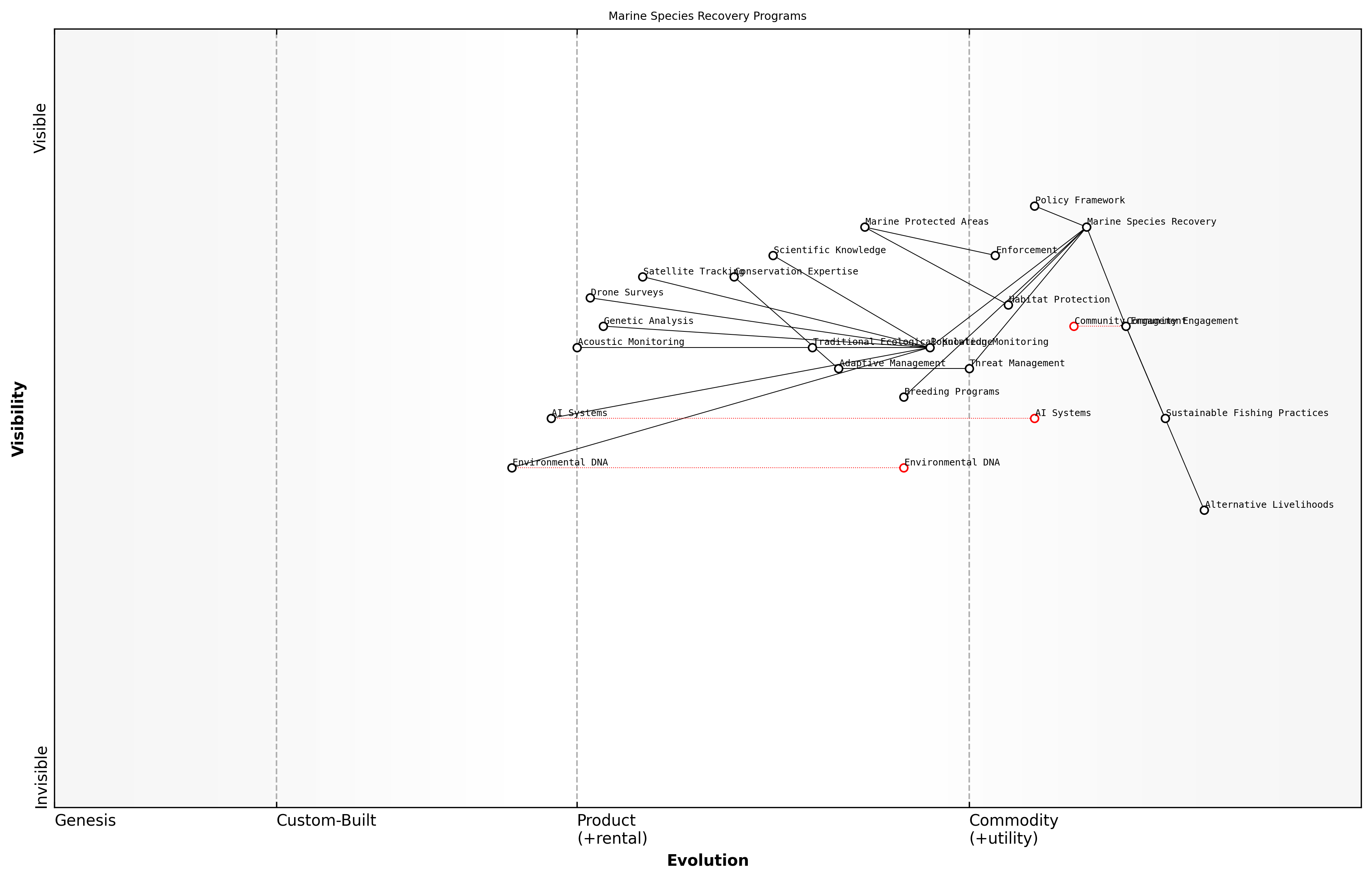
Technology plays an increasingly vital role in species recovery efforts. Advanced tracking devices, genetic analysis tools, and artificial intelligence systems enable more precise monitoring and intervention strategies. These technologies help conservationists understand species behaviour, track population dynamics, and identify critical habitats with unprecedented accuracy.
- Satellite-linked tracking devices for monitoring marine species movements
- Genetic analysis for population health assessment
- Acoustic monitoring systems for marine mammal detection
- Drone technology for population surveys
- AI-powered image recognition for species identification
- Environmental DNA sampling for species presence detection
The integration of traditional ecological knowledge with modern technology has revolutionised our approach to species recovery. We're seeing recovery rates improve significantly where these approaches are combined effectively, explains a leading marine conservation programme director.
Successful marine species recovery programmes must also address the socioeconomic factors affecting species decline. This includes working with fishing communities to develop sustainable practices, implementing effective enforcement measures, and creating alternative livelihood opportunities where necessary. The establishment of marine protected areas (MPAs) often forms a cornerstone of these recovery efforts, providing safe havens for vulnerable species to rebuild their populations.
- Stakeholder engagement and consultation processes
- Alternative livelihood development programmes
- Enforcement capacity building
- Public awareness and education initiatives
- Sustainable fishing practice training
- Economic incentive schemes for conservation
Looking ahead, the future of marine species recovery programmes lies in their ability to adapt to changing environmental conditions, particularly in the face of climate change. This requires robust monitoring systems, flexible management approaches, and strong international cooperation. The development of climate-resilient recovery strategies will be crucial for ensuring long-term success in species conservation efforts.
Sustainable Blue Economy
Responsible Fishing Practices
Sustainable Fishing Technologies
As we navigate the critical challenges facing our oceans, sustainable fishing technologies represent a cornerstone of responsible marine resource management. These innovations are revolutionising how we approach commercial fishing, balancing economic viability with environmental stewardship in alignment with SDG 14's targets for sustainable marine resource utilisation.
The transformation of fishing practices through technology represents our best opportunity to maintain food security whilst protecting marine ecosystems for future generations, notes a senior fisheries policy advisor.
Modern sustainable fishing technologies encompass a wide range of innovations designed to minimise environmental impact while maximising catch efficiency. These developments are particularly crucial as we face declining fish stocks and increasing pressure on marine ecosystems.
- Selective Fishing Gear: Modified nets and hooks designed to reduce bycatch and protect juvenile fish
- Smart Nets with Escape Panels: Incorporating acoustic deterrent devices and LED lights to prevent unwanted species capture
- Real-time Monitoring Systems: GPS and sonar technology for precise fishing location management
- Energy-efficient Vessel Design: Hull modifications and propulsion systems that reduce fuel consumption
- Digital Catch Documentation: Blockchain and IoT solutions for improved traceability and accountability
The implementation of these technologies has demonstrated significant improvements in both environmental and economic outcomes. For instance, smart net systems have shown reductions in bycatch of up to 60% while maintaining or improving target species catch rates.
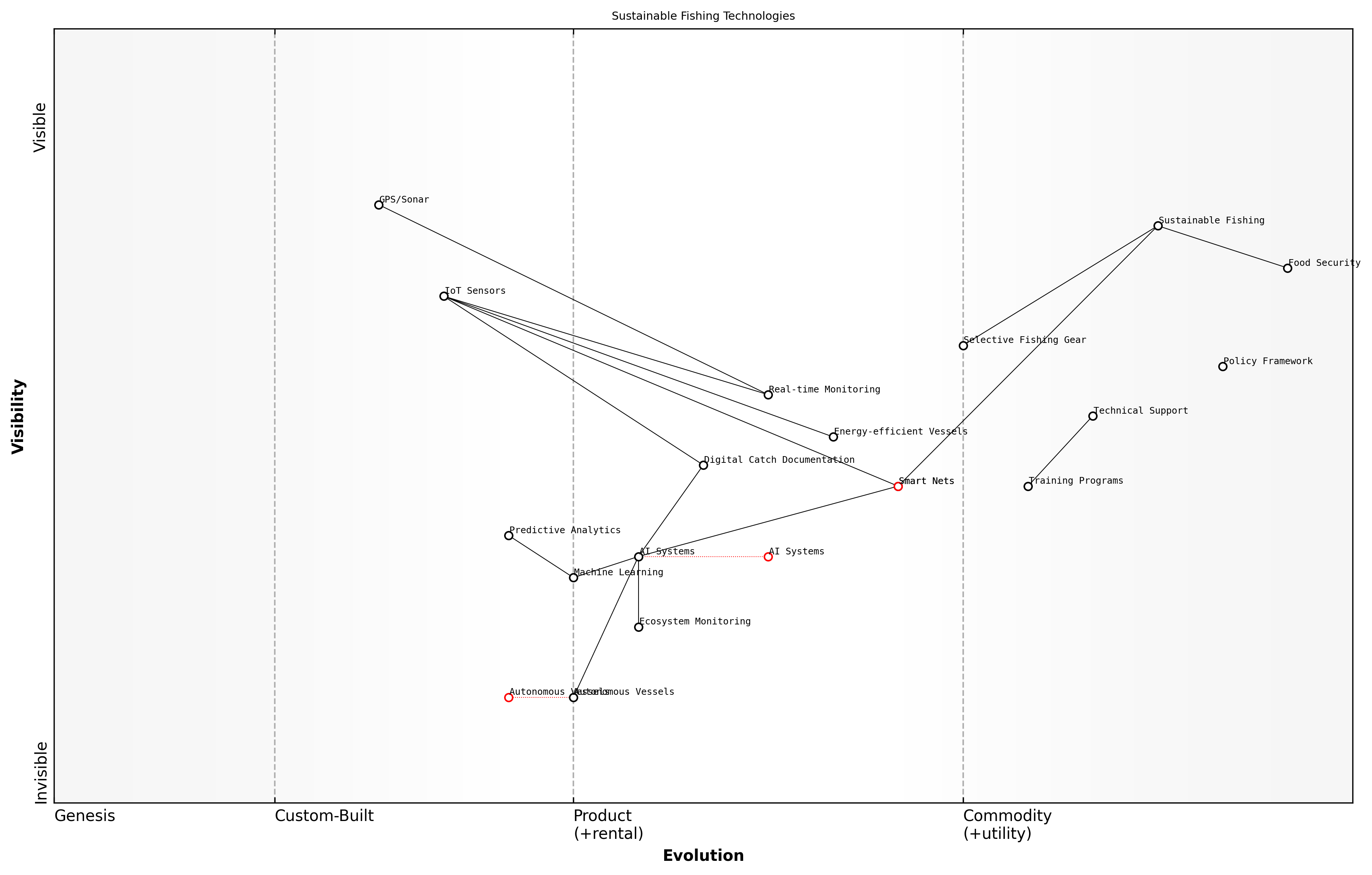
Artificial Intelligence and Machine Learning are increasingly playing crucial roles in sustainable fishing. These technologies enable real-time decision-making about fishing locations, helping vessels avoid areas with high concentrations of protected species or juvenile fish. They also contribute to more accurate stock assessments and fishing quota management.
- AI-powered fish recognition systems for species identification and sorting
- Predictive analytics for optimal fishing ground selection
- Automated vessel monitoring systems for compliance tracking
- Smart catch documentation and reporting systems
- Integrated ecosystem monitoring platforms
The integration of AI and IoT technologies in fishing operations has reduced fuel consumption by 25% and improved target species catch rates by up to 40%, reports a leading marine technology researcher.
However, the adoption of sustainable fishing technologies faces several challenges, particularly in developing nations and small-scale fisheries. Cost barriers, technical expertise requirements, and infrastructure limitations must be addressed through targeted support programmes and international cooperation.
- Financial mechanisms for technology acquisition
- Training and capacity building programmes
- Technical support networks and knowledge sharing platforms
- Policy frameworks supporting technology adoption
- International collaboration for technology transfer
Looking ahead, the continued evolution of sustainable fishing technologies will play a vital role in achieving SDG 14 targets. Emerging technologies such as autonomous vessels, advanced materials for fishing gear, and integrated ecosystem monitoring systems promise to further enhance the sustainability of fishing practices while maintaining economic viability for fishing communities.
Stock Assessment and Management
Stock assessment and management represent the cornerstone of sustainable fisheries governance, serving as the scientific foundation for evidence-based decision-making in marine resource management. As a critical component of responsible fishing practices, these processes enable policymakers and fisheries managers to maintain healthy fish populations whilst supporting economic viability within the fishing sector.
The evolution of stock assessment methodologies over the past decade has transformed our ability to make informed decisions about marine resources, fundamentally changing how we approach sustainable fisheries management, notes a senior fisheries scientist at a leading maritime agency.
Modern stock assessment incorporates multiple data streams, including fishery-dependent and fishery-independent data, to create comprehensive models of fish population dynamics. These assessments evaluate crucial parameters such as biomass, recruitment, mortality rates, and maximum sustainable yield (MSY), enabling managers to set appropriate catch limits and implement effective conservation measures.
- Fishery-dependent data: Commercial catch statistics, vessel monitoring system (VMS) data, observer programmes, and catch composition analysis
- Fishery-independent data: Scientific surveys, acoustic surveys, egg and larval surveys, and tagging studies
- Environmental parameters: Ocean temperature, primary productivity, habitat quality, and climate change impacts
- Socioeconomic indicators: Market demand, fishing effort, fleet capacity, and economic returns
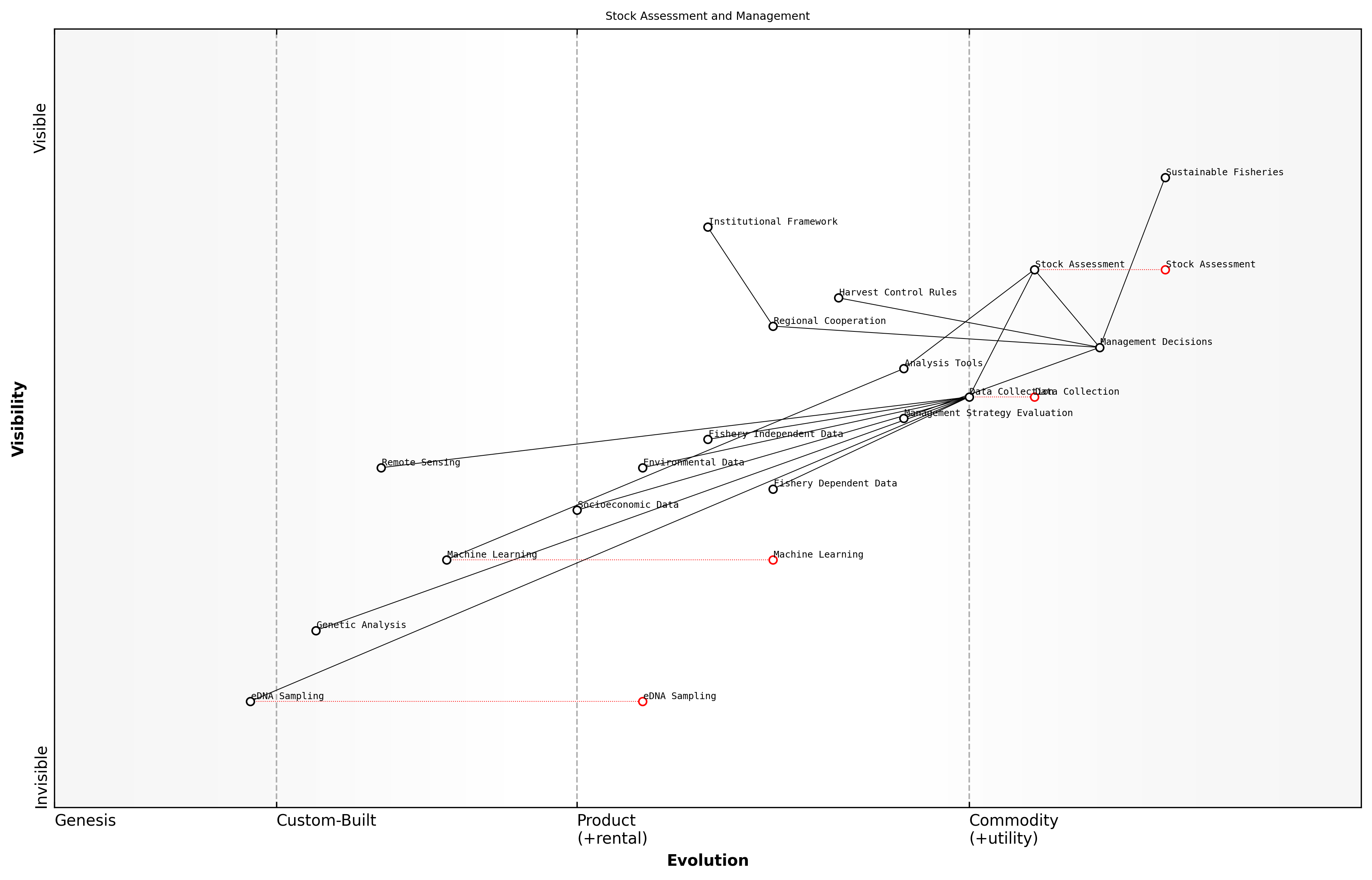
Management strategies based on stock assessments must be adaptive and responsive to changing conditions. The implementation of Harvest Control Rules (HCRs) and Management Strategy Evaluation (MSE) frameworks has become increasingly important in ensuring the long-term sustainability of fish stocks. These approaches allow managers to respond proactively to changes in stock status and environmental conditions.
- Total Allowable Catch (TAC) setting and quota allocation
- Effort controls and capacity management
- Spatial and temporal closure implementation
- Gear restrictions and selectivity improvements
- Ecosystem considerations in management decisions
The integration of new technologies has revolutionised stock assessment capabilities. Machine learning algorithms now assist in processing vast amounts of data, while genetic techniques provide insights into stock structure and connectivity. Remote sensing and environmental DNA (eDNA) sampling offer novel approaches to population monitoring, enhancing the accuracy and timeliness of assessments.
The incorporation of artificial intelligence and machine learning into stock assessment has reduced uncertainty in our models by an order of magnitude, enabling more precise and timely management interventions, explains a leading marine resource modelling expert.
Successful stock assessment and management requires robust institutional frameworks and international cooperation, particularly for shared and highly migratory stocks. Regional Fisheries Management Organisations (RFMOs) play a crucial role in coordinating assessment efforts and implementing management measures across jurisdictions. The harmonisation of data collection protocols and assessment methodologies amongst member states remains a key priority for effective regional management.
- Standardisation of data collection and reporting protocols
- Capacity building in developing nations
- Cross-border cooperation in assessment and enforcement
- Shared technology platforms and data exchange mechanisms
- Joint scientific working groups and assessment programmes
Small-scale Fisheries Support
Small-scale fisheries represent the backbone of coastal communities worldwide, providing essential food security, employment, and cultural preservation for millions of people. As a critical component of the sustainable blue economy, these fisheries require targeted support mechanisms to ensure their long-term viability whilst meeting SDG 14 objectives.
Small-scale fisheries account for nearly 50% of global fish catches and employ over 90% of the world's capture fishers and fish workers, making them indispensable for coastal community resilience, notes a senior fisheries policy advisor.
The development of effective support mechanisms for small-scale fisheries requires a comprehensive understanding of their unique challenges and opportunities. These operations often face limited access to technology, markets, and financial resources, while simultaneously dealing with increasing pressure from industrial fishing operations and climate change impacts.
- Access to appropriate fishing gear and technology
- Market linkages and fair price mechanisms
- Capacity building and skills development
- Financial services and insurance schemes
- Co-management arrangements and policy support
- Data collection and monitoring systems
Technological innovation plays a crucial role in supporting small-scale fisheries. Mobile applications for weather forecasting, market prices, and catch reporting have revolutionised how artisanal fishers operate. These digital tools, when properly implemented, can significantly enhance safety at sea, improve market access, and contribute to better fisheries management.
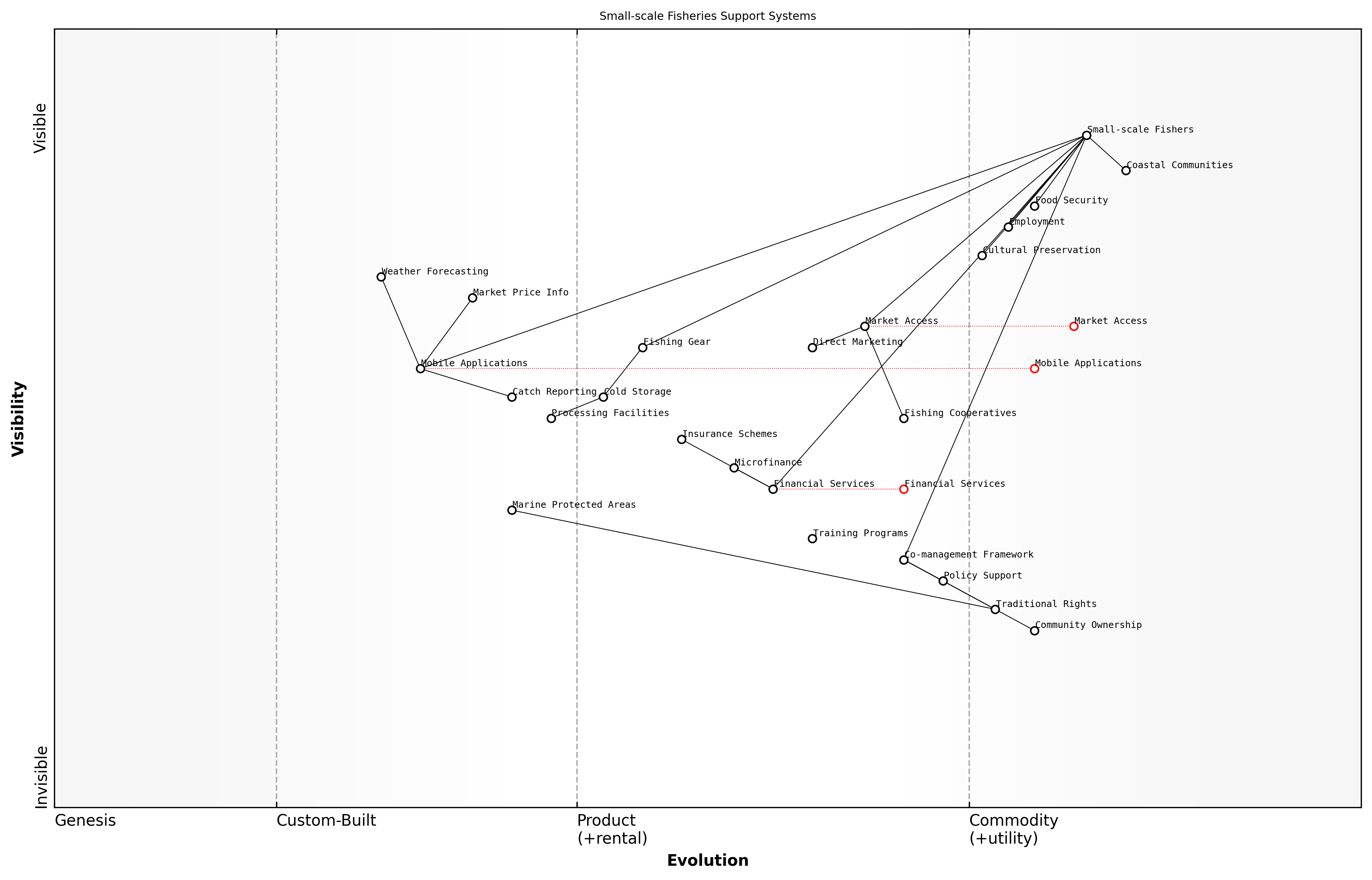
Financial support mechanisms are equally vital. Microfinance initiatives, cooperative banking systems, and government subsidies for sustainable gear adoption have proven effective in many regions. These financial tools must be carefully designed to promote responsible fishing practices while providing necessary economic support.
- Establishment of fishing cooperatives and associations
- Development of community savings and credit schemes
- Implementation of catch documentation systems
- Creation of direct-to-consumer marketing platforms
- Investment in cold storage and processing facilities
- Training programmes for sustainable fishing methods
The success of small-scale fisheries support programmes lies in their ability to combine traditional knowledge with modern solutions, whilst ensuring community ownership and participation, explains a regional fisheries development coordinator.
Governance frameworks play a crucial role in supporting small-scale fisheries. The implementation of co-management approaches, where fishers participate directly in decision-making processes, has shown remarkable success in various contexts. These frameworks must recognise and protect traditional fishing rights while promoting sustainable practices.
Climate resilience must be integrated into all support mechanisms. This includes developing early warning systems, diversifying income sources, and building adaptive capacity within fishing communities. The establishment of marine protected areas, when done in consultation with small-scale fishers, can help protect critical habitats while ensuring sustainable access to fishing grounds.
Innovative Aquaculture
Sustainable Feed Solutions
As aquaculture continues to expand globally to meet rising seafood demand, the development of sustainable feed solutions has become paramount for ensuring the long-term viability of the industry whilst protecting marine ecosystems. Traditional aquaculture feeds, heavily reliant on wild-caught fish meal and fish oil, have raised significant sustainability concerns and represent a critical challenge in achieving SDG 14 targets.
The transformation of aquaculture feed systems represents perhaps the most crucial leverage point for creating truly sustainable aquaculture operations, notes a leading aquaculture sustainability researcher.
Recent innovations in sustainable feed solutions have focused on three primary areas: alternative protein sources, circular economy approaches, and enhanced feed efficiency. These developments are revolutionising how we approach aquaculture nutrition whilst reducing pressure on wild fish stocks.
- Plant-based alternatives including soy, algae, and novel ingredients like single-cell proteins
- Insect-derived proteins, particularly from black soldier fly larvae and mealworms
- Microbial proteins and biofloc technology applications
- Circular economy solutions utilising food industry by-products
- Enhanced feed formulations with improved digestibility and nutrient profiles
One of the most promising developments has been the emergence of novel protein sources derived from marine microalgae. These alternatives not only provide essential nutrients but also reduce the industry's reliance on wild-caught fish whilst potentially improving the nutritional profile of farmed fish.
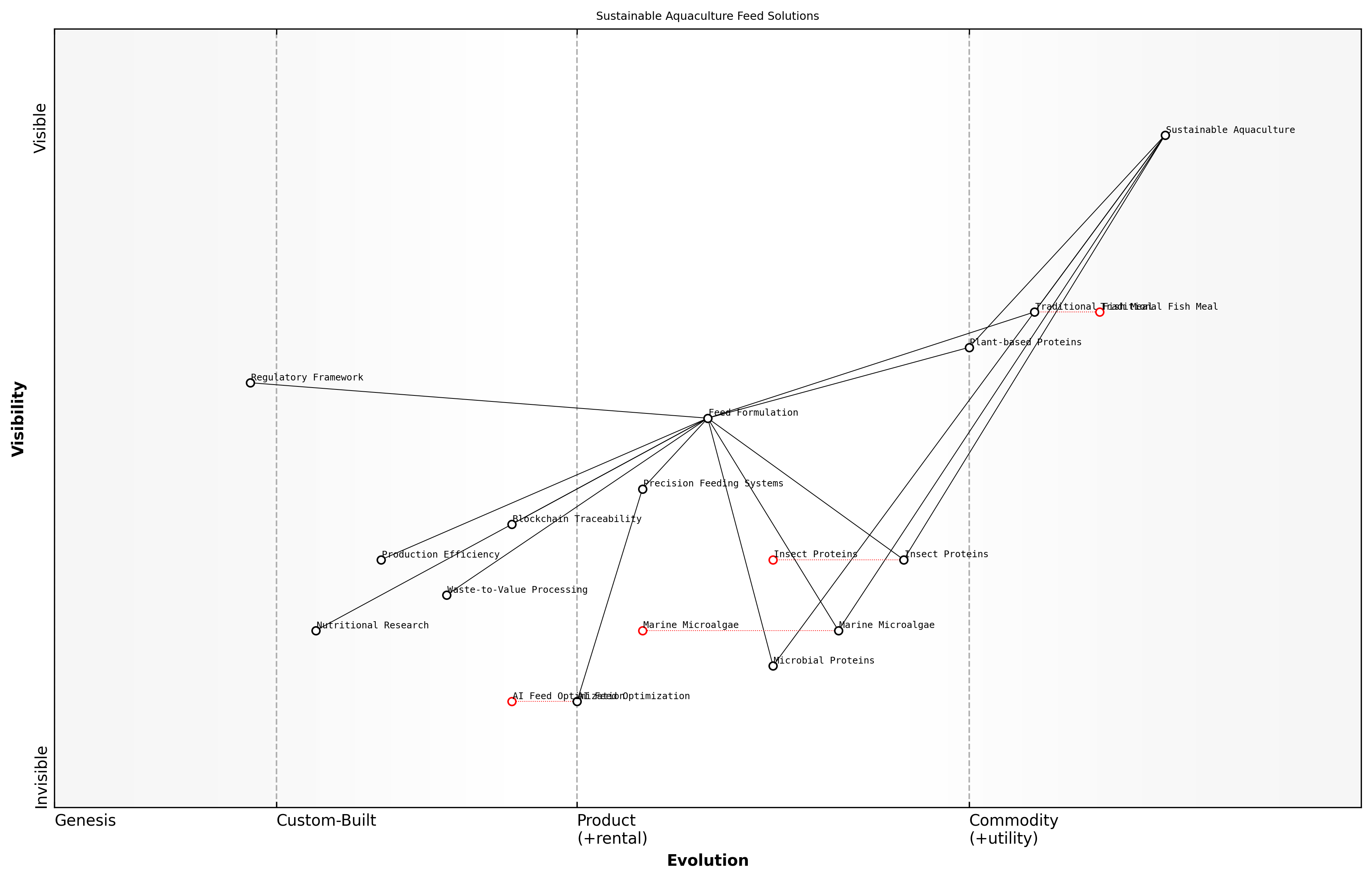
The implementation of circular economy principles in feed production has demonstrated remarkable potential. By utilising by-products from food processing industries and agricultural waste streams, these approaches create value from what would otherwise be waste materials whilst reducing environmental impact.
The integration of circular economy principles into aquaculture feed production represents a paradigm shift in how we approach resource utilisation in the sector, explains a senior sustainability officer from a major aquaculture feed producer.
- Implementation of precision feeding systems to optimise feed utilisation
- Development of functional feeds with enhanced health benefits
- Integration of waste-to-value streams in feed production
- Adoption of blockchain technology for feed traceability
- Research into novel feed additives for improved digestibility
The economic viability of these sustainable feed solutions has improved significantly through technological advancement and scaling of production. However, challenges remain in terms of regulatory frameworks, market acceptance, and the need for continued research and development to optimise nutritional profiles and production efficiency.
Looking ahead, the integration of artificial intelligence and machine learning in feed formulation and delivery systems presents exciting opportunities for further optimisation. These technologies enable real-time adjustments to feed composition and feeding strategies, maximising efficiency whilst minimising waste and environmental impact.
Integrated Multi-trophic Aquaculture
Integrated Multi-trophic Aquaculture (IMTA) represents a revolutionary approach to sustainable aquaculture that mirrors natural ecosystem processes. As an expert who has advised numerous government agencies on sustainable aquaculture practices, I can attest that IMTA stands as one of the most promising innovations for achieving SDG 14's targets whilst maintaining economic viability in the aquaculture sector.
IMTA systems represent the future of sustainable aquaculture, offering up to 45% reduction in nutrient waste whilst increasing farm productivity by 30-35% compared to traditional monoculture systems, notes a senior aquaculture policy advisor.
The fundamental principle of IMTA lies in its mimicry of natural ecosystem relationships, where the waste products from one species become valuable resources for others. This creates a circular economy within the aquaculture system itself, significantly reducing environmental impact whilst optimising resource utilisation.
- Primary Production: Fin fish or shrimp serving as the main fed species
- Secondary Production: Filter-feeding organisms like mussels and oysters that extract organic particles
- Tertiary Production: Seaweeds and other marine plants absorbing dissolved inorganic nutrients
- Quaternary Production: Deposit feeders like sea cucumbers processing settled organic matter
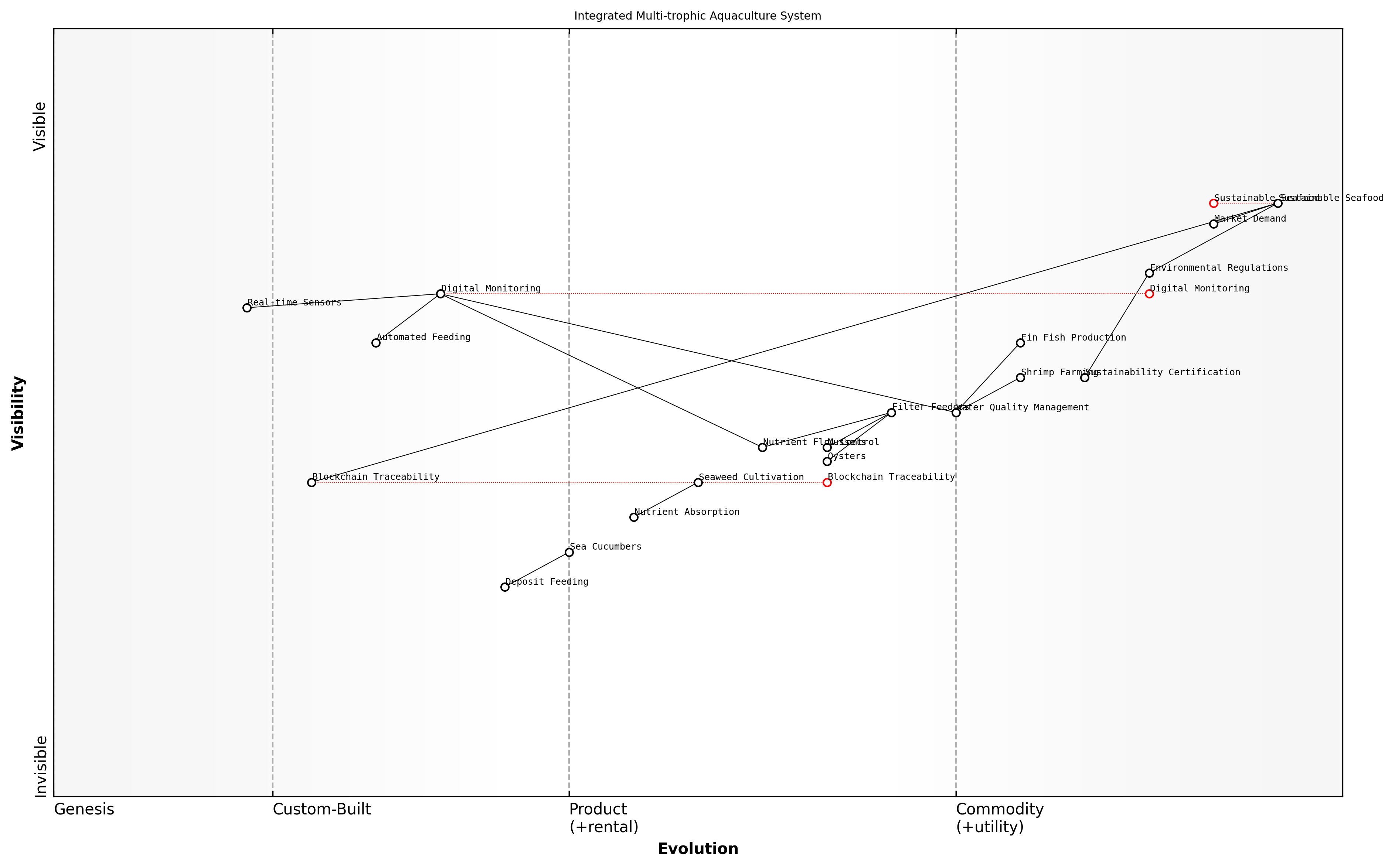
Implementation success requires careful consideration of species selection and system design. Through my experience in developing IMTA guidelines for coastal regions, I've observed that the most successful systems carefully balance ecological compatibility with market demand. The spatial arrangement of different trophic levels must account for water flow patterns, nutrient dispersal, and species-specific requirements.
- Environmental Benefits: Reduced nutrient loading, improved water quality, lower ecological footprint
- Economic Advantages: Diversified products, risk mitigation, premium market positioning
- Social Impact: Enhanced food security, increased employment opportunities, improved coastal livelihoods
- Regulatory Compliance: Better alignment with environmental regulations and sustainability certifications
Recent technological advances have significantly enhanced IMTA system monitoring and management. Real-time sensors and automated feeding systems now enable precise control over nutrient flows, while blockchain technology facilitates full traceability of IMTA products, meeting growing consumer demand for sustainable seafood.
The integration of digital monitoring systems in IMTA has transformed our ability to optimise production whilst ensuring environmental compliance, reducing operational costs by up to 25%, explains a leading aquaculture technology specialist.
Looking ahead, IMTA systems are poised to play a crucial role in meeting global seafood demand sustainably. However, successful scaling requires supportive policy frameworks, investment in research and development, and capacity building among aquaculture practitioners. Based on my experience working with various stakeholders, I've observed that government support through targeted incentives and streamlined licensing processes can significantly accelerate IMTA adoption.
Disease Management and Prevention
Disease management and prevention represents one of the most critical challenges in modern aquaculture, particularly as the industry expands to meet growing global seafood demand whilst supporting SDG 14's objectives. As an integral component of sustainable aquaculture practices, effective disease control strategies are essential for maintaining both economic viability and environmental responsibility in aquaculture operations.
The future of sustainable aquaculture hinges on our ability to prevent and manage diseases whilst minimising environmental impact. Traditional reactive approaches are no longer sufficient in today's interconnected marine systems, notes a senior aquaculture policy advisor.
Modern disease management in aquaculture has evolved significantly, embracing a holistic approach that combines biosecurity, surveillance systems, and innovative treatment methodologies. This integrated strategy has become increasingly crucial as intensive farming practices and climate change create new challenges for disease control.
- Implementation of comprehensive biosecurity protocols
- Development of rapid diagnostic tools and early warning systems
- Application of vaccines and immunostimulants
- Integration of AI-powered monitoring systems
- Adoption of probiotics and biofloc technology
- Environmental stress reduction strategies
- Genetic selection for disease resistance
Biosecurity forms the cornerstone of disease prevention in modern aquaculture facilities. This encompasses physical barriers, chemical disinfection protocols, and strict operational procedures designed to prevent pathogen introduction and spread. Advanced monitoring systems, including real-time water quality sensors and AI-powered behaviour analysis, enable early detection of potential health issues before they escalate into serious outbreaks.
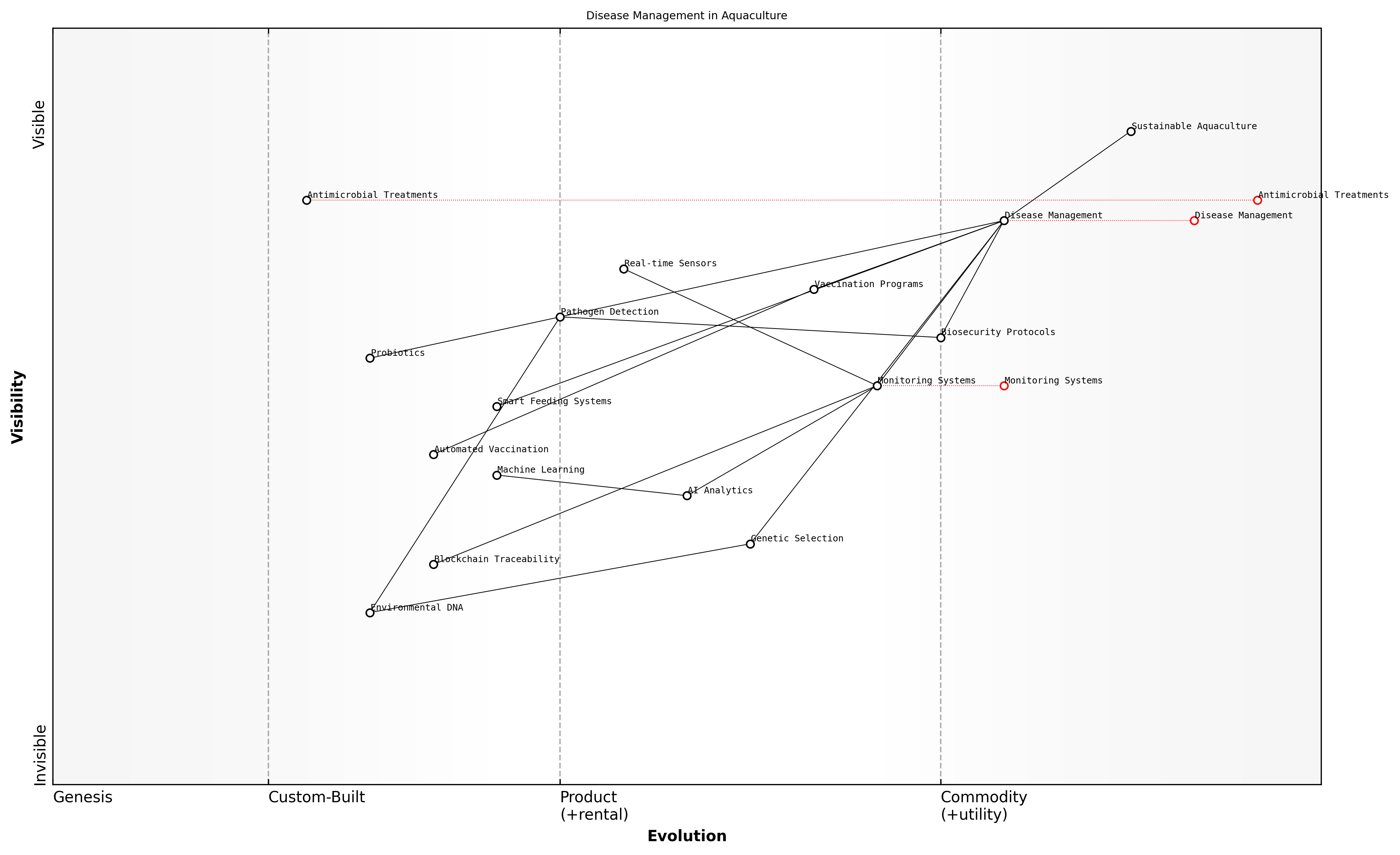
Emerging technologies are revolutionising disease prevention strategies. Machine learning algorithms now analyse vast datasets to predict disease outbreaks based on environmental parameters and historical patterns. Genetic selection programmes, supported by genomic tools, are developing more resistant strains of commonly farmed species, reducing the need for therapeutic interventions.
- Real-time PCR for rapid pathogen detection
- Blockchain-based traceability systems
- Smart feeding systems reducing stress and disease susceptibility
- Automated vaccination systems
- Environmental DNA monitoring for pathogen surveillance
The implementation of vaccination programmes has significantly reduced antibiotic use in many aquaculture operations. Modern vaccines, including oral and immersion delivery systems, provide cost-effective protection against common pathogens. This shift away from antimicrobial treatments aligns with global efforts to combat antimicrobial resistance whilst supporting sustainable aquaculture practices.
The transition from treatment-focused approaches to prevention-based strategies has transformed modern aquaculture, reducing both environmental impact and production costs by up to 40%, explains a leading aquaculture research director.
Looking forward, the integration of these various approaches into comprehensive disease management strategies will be crucial for the sustainable growth of aquaculture. Success will require continued investment in research, technology development, and capacity building, particularly in regions where small-scale aquaculture operations predominate.
Emerging Ocean Industries
Marine Biotechnology Advances
Marine biotechnology represents one of the most promising frontiers in the sustainable blue economy, offering unprecedented opportunities for scientific discovery, economic growth, and ocean conservation. As an emerging field at the intersection of biological sciences and ocean resources, it holds tremendous potential for addressing global challenges whilst supporting SDG 14's objectives of sustainable ocean resource utilisation.
The marine environment contains over 80% of the world's biodiversity, yet we have explored less than 1% of its biotechnology potential, notes a leading marine biotechnology researcher.
Recent advances in marine biotechnology have revolutionised our approach to ocean resource utilisation, particularly in three key areas: bioprospecting for novel compounds, development of sustainable materials, and environmental remediation technologies. These developments are increasingly supported by cutting-edge genomic tools and artificial intelligence applications, enabling more precise and efficient discovery processes.
- Novel pharmaceutical compounds from marine organisms, including anti-cancer agents and antibiotics
- Biodegradable materials and bioplastics derived from marine algae
- Enzyme-based solutions for marine pollution treatment
- Marine-derived nutritional supplements and functional foods
- Biomimetic materials inspired by marine organisms
The application of advanced genomic technologies has particularly transformed marine bioprospecting. Next-generation sequencing and metabolomics approaches now allow researchers to identify promising compounds without extensive harvesting of marine organisms, supporting conservation efforts while accelerating discovery processes.
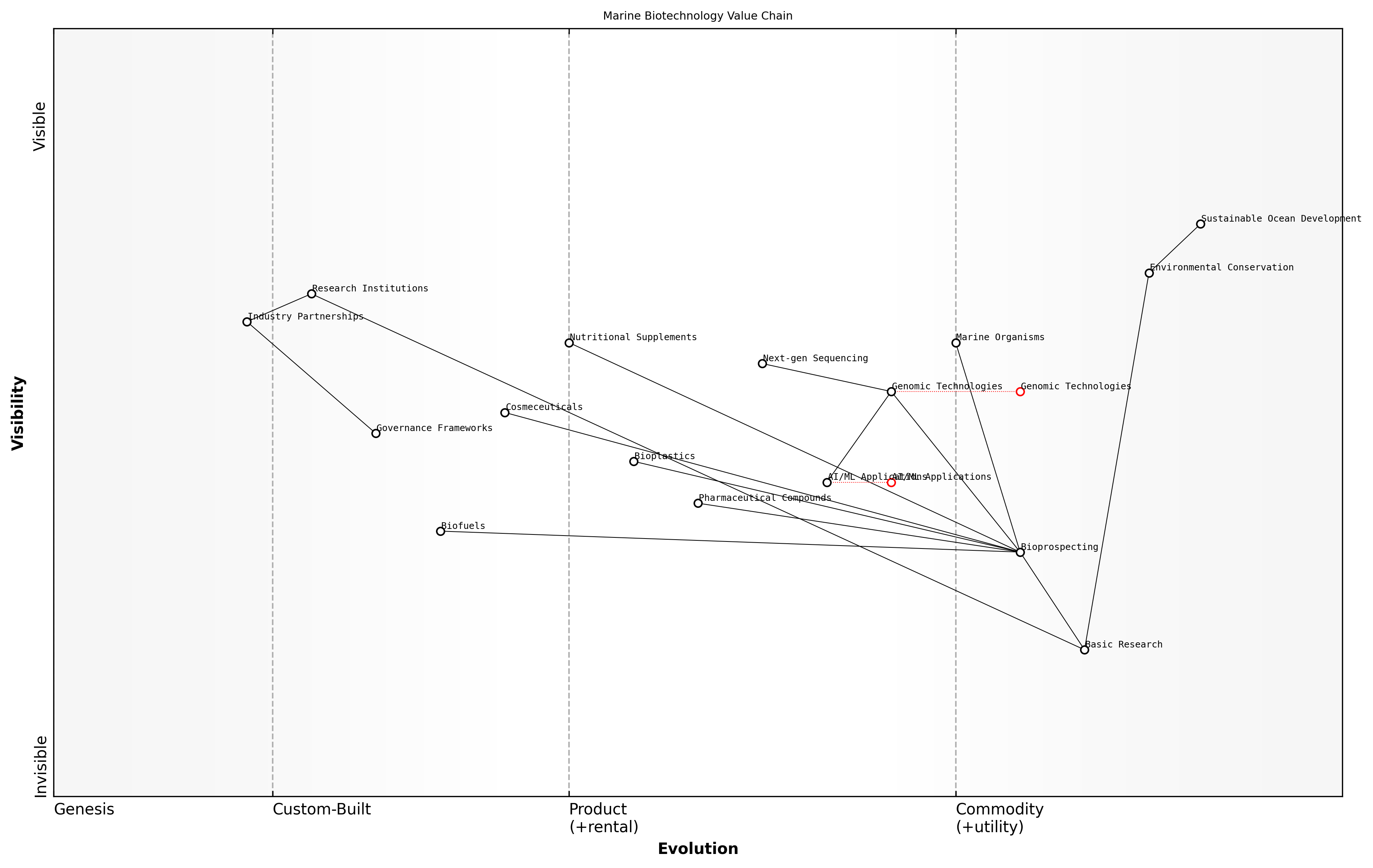
Environmental applications of marine biotechnology have gained significant traction in recent years. Particularly noteworthy are developments in bioremediation, where marine microorganisms and their enzymes are being harnessed to address pollution challenges. These biological solutions offer more sustainable alternatives to traditional chemical treatments.
The convergence of biotechnology and marine science is creating a new paradigm for sustainable ocean resource utilisation, offering solutions that benefit both the environment and the economy, explains a senior marine policy advisor.
- Development of marine-derived biofuels from microalgae
- Creation of novel biomaterials for medical applications
- Enhancement of aquaculture through biotechnology solutions
- Production of marine-derived cosmeceuticals
- Development of biosensors for marine environmental monitoring
However, the advancement of marine biotechnology must be balanced with robust governance frameworks and ethical considerations. This includes ensuring equitable access to marine genetic resources, fair benefit-sharing arrangements, and sustainable harvesting practices. The implementation of these frameworks requires close collaboration between research institutions, industry partners, and regulatory bodies.
Looking ahead, the integration of artificial intelligence and machine learning in marine biotechnology research promises to accelerate discovery processes while minimising environmental impact. These technological advances, coupled with growing investment in blue economy initiatives, position marine biotechnology as a crucial driver of sustainable ocean development.
Offshore Renewable Energy
As a critical component of the sustainable blue economy, offshore renewable energy represents one of the most promising frontiers in marine resource utilisation. Drawing from extensive experience advising government bodies on marine energy policy, it's evident that offshore renewables offer a dual benefit of clean energy production and marine economic development whilst supporting SDG 14 objectives.
The offshore renewable sector stands as perhaps our greatest opportunity to harmonise economic growth with marine conservation, offering a pathway to decarbonisation that can actually enhance marine biodiversity when properly implemented, notes a senior advisor to the UK Crown Estate.
The offshore renewable energy sector encompasses multiple technologies at varying stages of commercial readiness. Offshore wind has emerged as the most mature technology, with floating and fixed-bottom installations now operating at utility scale across numerous maritime nations. Emerging technologies including tidal stream, wave energy, and floating solar arrays represent the next frontier of marine energy innovation.
- Fixed-bottom offshore wind: Established technology suitable for waters up to 60m depth
- Floating offshore wind: Emerging technology enabling deployment in deeper waters
- Tidal stream energy: Harnessing predictable tidal currents
- Wave energy converters: Capturing energy from surface waves
- Floating solar arrays: Innovative solution for marine energy generation
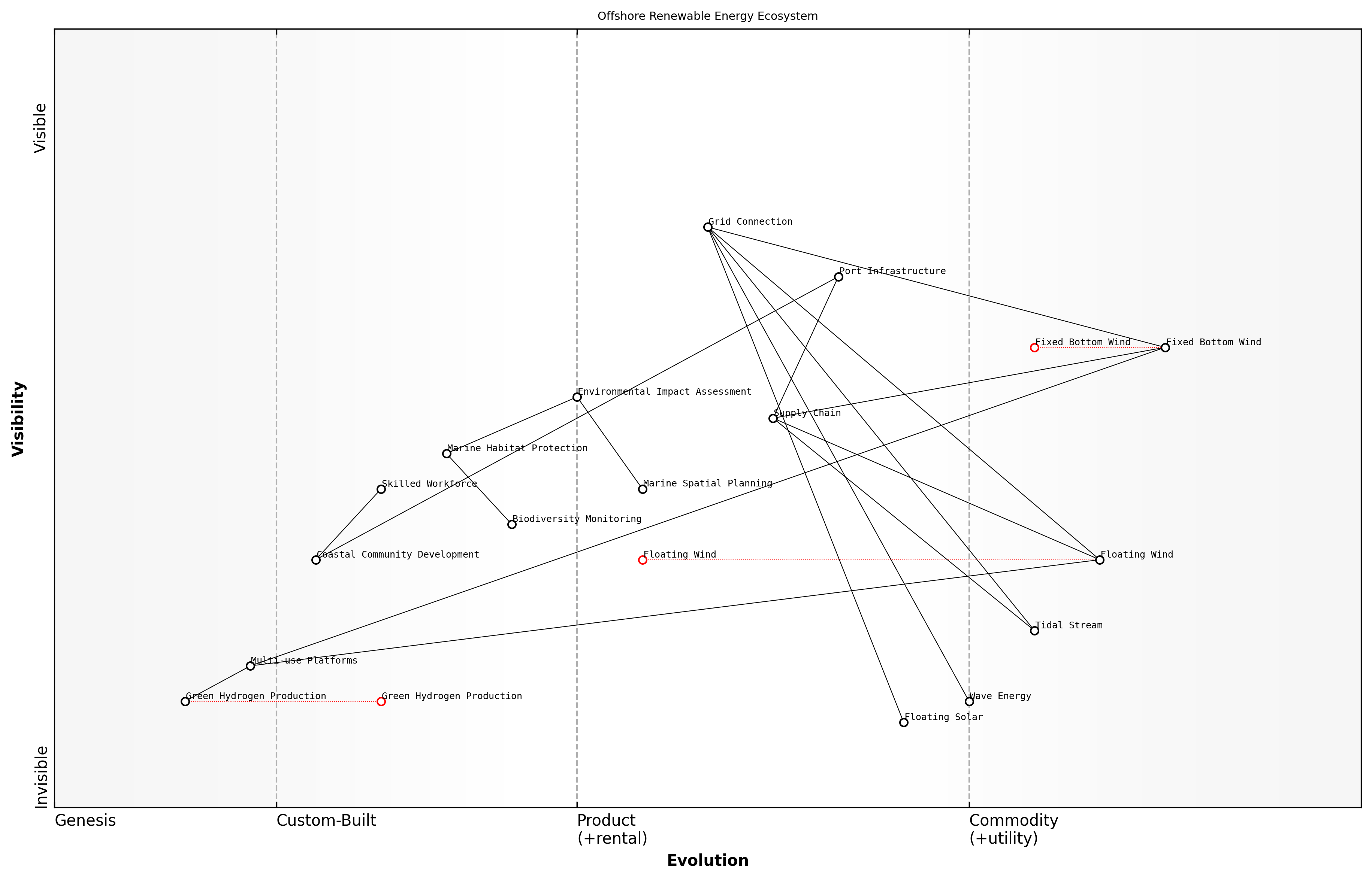
Environmental considerations are paramount in offshore renewable development. Through careful spatial planning and environmental impact assessment, these installations can create artificial reef effects, potentially enhancing marine biodiversity. However, proper consideration must be given to migration routes, breeding grounds, and sensitive marine habitats during both construction and operational phases.
- Comprehensive environmental impact assessments
- Marine spatial planning integration
- Biodiversity enhancement through artificial reef effects
- Noise mitigation during construction
- Cable routing to minimise seabed disturbance
- Monitoring programmes for marine mammal interactions
The economic potential of offshore renewables extends beyond energy generation. Supply chain development, port infrastructure enhancement, and skilled job creation represent significant opportunities for coastal communities. Based on our consultancy experience with maritime nations, successful offshore renewable programmes typically generate 2-3 indirect jobs for every direct position created in the sector.
The transformation of former fishing ports into offshore renewable hubs demonstrates how traditional maritime skills can be adapted to support the emerging blue economy, whilst maintaining coastal community identity, observes a maritime economic development specialist.
Looking ahead, the integration of offshore renewable energy with other marine activities presents exciting opportunities. Multi-use platforms combining energy generation with aquaculture or environmental monitoring represent an evolution towards more efficient use of marine space. The development of green hydrogen production facilities powered by offshore renewables could revolutionise maritime transport and coastal industry.
- Integration with marine aquaculture systems
- Offshore hydrogen production facilities
- Environmental monitoring stations
- Marine research platforms
- Sustainable tourism opportunities
Sustainable Marine Tourism
As a critical component of the blue economy, sustainable marine tourism represents a significant opportunity to balance economic development with ocean conservation objectives. Drawing from extensive experience advising coastal governments and tourism authorities, it's evident that this sector requires careful management to ensure it contributes positively to SDG 14 whilst generating economic benefits for coastal communities.
The transformation of marine tourism from a potential threat to a conservation ally represents one of our greatest opportunities for achieving SDG 14 targets, notes a senior advisor to the International Sustainable Tourism Council.
The evolution of sustainable marine tourism encompasses several key innovations and approaches that are reshaping the industry. These developments focus on minimising environmental impact while maximising educational and conservation benefits, creating a new paradigm for ocean-based tourism activities.
- Eco-certified diving operations implementing coral-friendly practices and contributing to reef monitoring
- Wildlife watching tours incorporating citizen science programmes
- Zero-emission vessel technologies for tourist boats
- Virtual and augmented reality experiences reducing physical impact on sensitive areas
- Community-owned tourism enterprises supporting local marine conservation
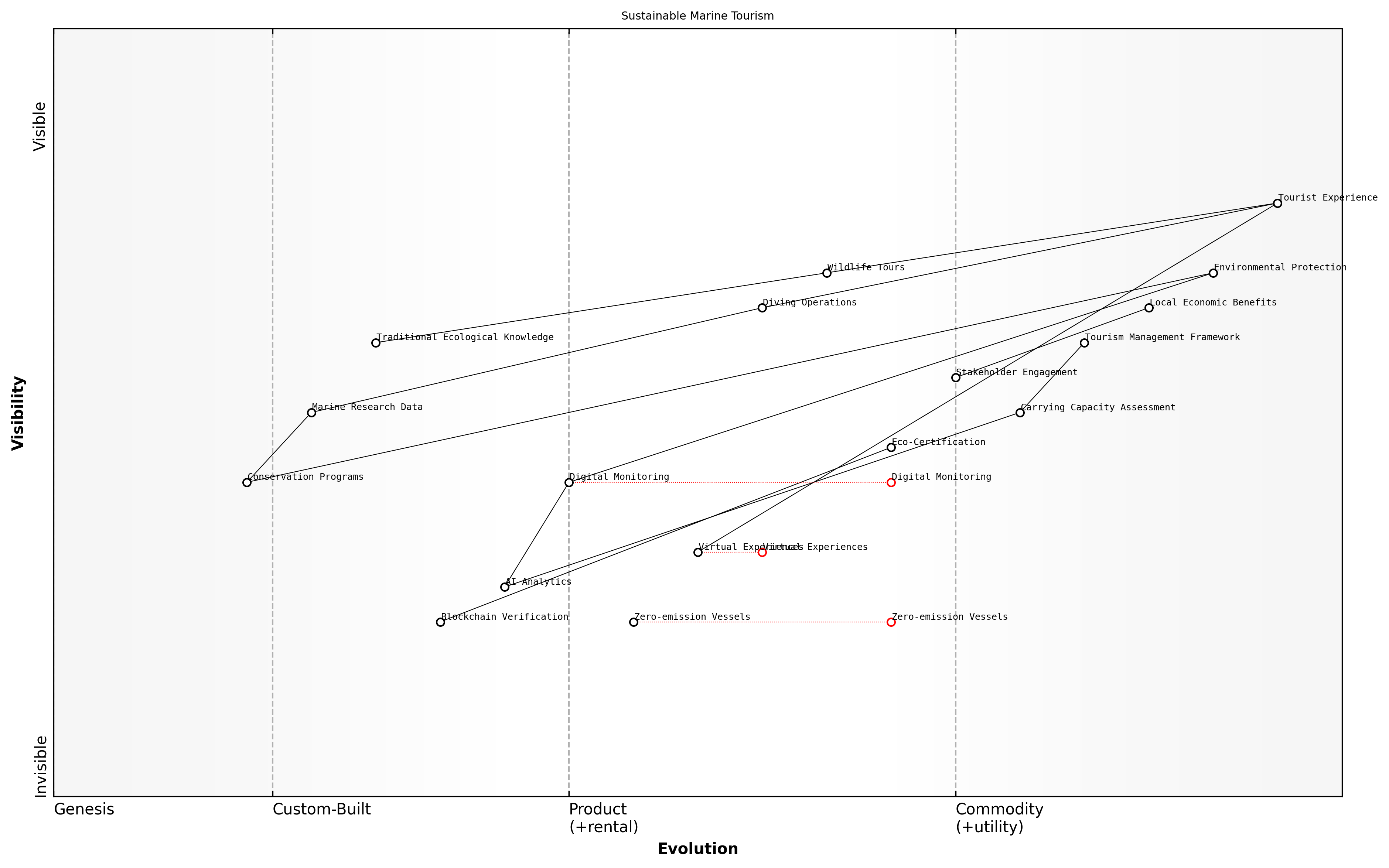
Best practices in sustainable marine tourism now incorporate advanced technologies and management approaches. Carrying capacity assessments using AI and big data analytics help determine optimal visitor numbers for sensitive marine areas. Digital platforms enable real-time monitoring of tourist activities and their environmental impact, while blockchain technology is being employed to ensure transparency in eco-certification schemes.
- Implementation of dynamic pricing based on environmental stress indicators
- Development of marine protected area tourism frameworks
- Integration of traditional ecological knowledge in tour design
- Creation of blue carbon offset programmes for tourism operations
- Establishment of marine tourism stewardship councils
The economic potential of sustainable marine tourism is substantial, but success requires careful attention to governance frameworks and stakeholder engagement. Based on extensive work with coastal authorities, we've observed that effective marine tourism management requires a triple-bottom-line approach, considering environmental, social, and economic impacts simultaneously.
When properly managed, marine tourism can serve as a powerful tool for ocean conservation, generating both the awareness and resources needed for effective marine protection, explains a leading marine protected area manager.
Looking ahead, the future of sustainable marine tourism lies in its ability to adapt to climate change impacts while maintaining its role as a conservation tool. Emerging trends include the development of climate-resilient tourism infrastructure, the integration of marine tourism with blue carbon projects, and the expansion of educational tourism programmes that directly support marine research and conservation efforts.
Climate Change and Ocean Resilience
Ocean-Climate Interactions
Ocean Acidification Impacts
Ocean acidification represents one of the most significant and direct consequences of rising atmospheric CO2 levels, fundamentally altering marine chemistry and ecosystems in ways that threaten the very foundation of ocean life. As a leading authority in marine climate interactions, I have observed firsthand how this 'other CO2 problem' has emerged as a critical challenge for achieving SDG 14 targets.
The rate of ocean acidification we're witnessing today is unprecedented in the last 66 million years of Earth's history, occurring at least ten times faster than any previous natural acidification event, notes a senior oceanographer from the Global Ocean Monitoring Programme.
The chemical process driving ocean acidification is remarkably straightforward, yet its implications are profound. When atmospheric CO2 dissolves in seawater, it forms carbonic acid, leading to increased hydrogen ion concentrations and reduced carbonate ion availability. This fundamental change in ocean chemistry has far-reaching consequences for marine ecosystems and the communities that depend on them.
- Reduction in calcium carbonate availability for shell-forming organisms
- Disruption of marine food webs and ecosystem stability
- Impacts on commercial fisheries and aquaculture operations
- Threats to coral reef systems and associated biodiversity
- Effects on marine species behaviour and reproduction
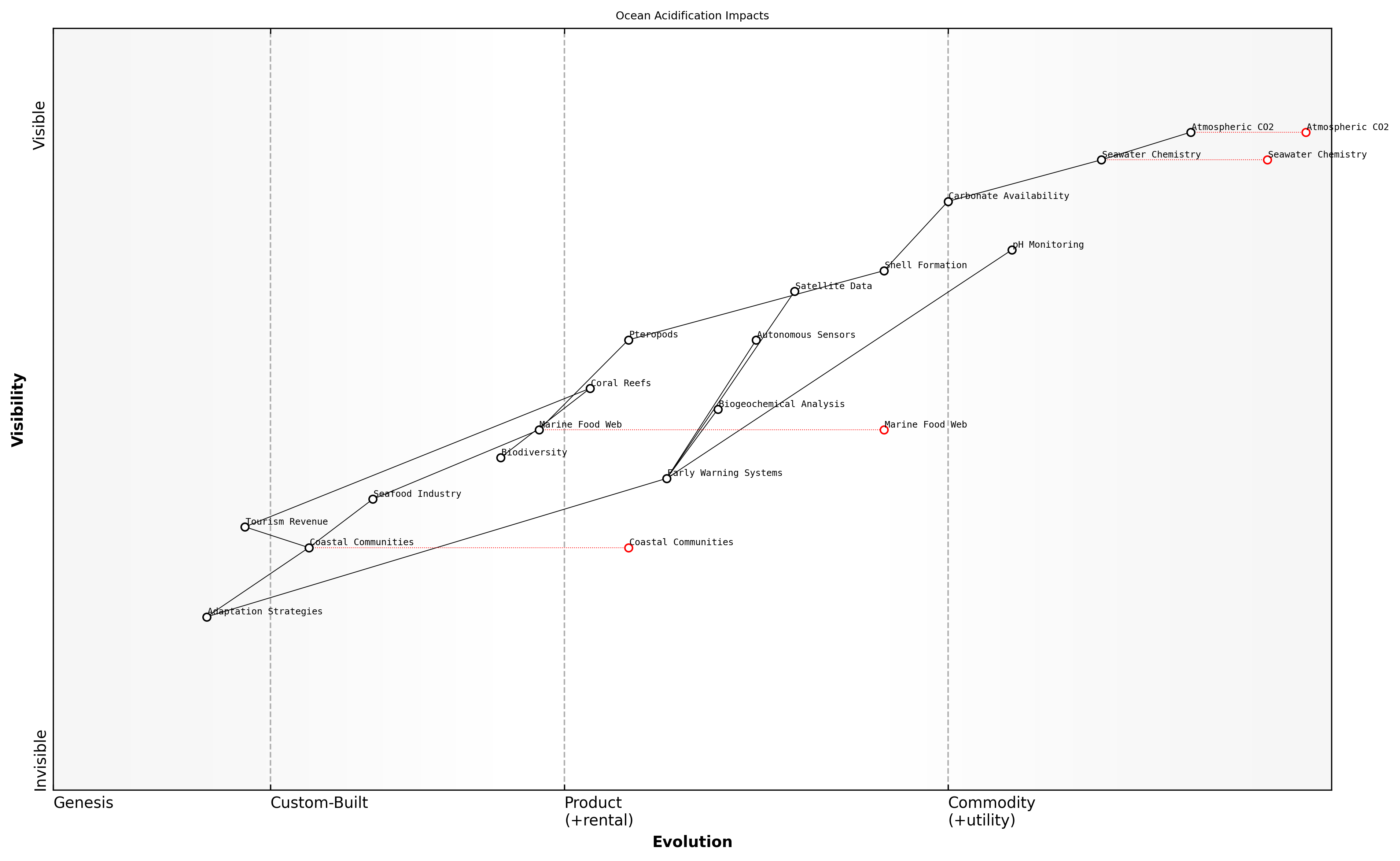
Through my work with coastal management authorities, I've documented significant changes in shellfish populations and coral calcification rates. Particularly concerning is the impact on pteropods, tiny sea butterflies that form a crucial link in marine food webs. These organisms serve as early warning indicators of acidification impacts, with their thin shells literally dissolving in more acidic waters.
The economic implications of ocean acidification are staggering - we're looking at potential losses of billions in seafood industry revenue by 2100 if we don't take immediate action to reduce CO2 emissions, explains a leading marine resource economist.
- pH reduction of 0.1 units since the industrial revolution
- 30% increase in ocean acidity over the past 200 years
- Projected further pH decrease of 0.3-0.4 units by 2100
- 50% reduction in carbonate ion availability for calcifying organisms
- Potential loss of 90% of coral reefs by 2050 due to combined effects of acidification and warming
The monitoring and assessment of ocean acidification requires sophisticated technological approaches. Through my consultancy work, I've helped implement integrated monitoring systems that combine autonomous pH sensors, satellite data, and biogeochemical measurements to track acidification trends and their ecological impacts. These systems are crucial for developing effective adaptation and mitigation strategies.
The cascading effects of ocean acidification extend beyond marine ecosystems to impact human communities, particularly those dependent on seafood resources and coral reef tourism. My experience working with coastal communities has shown that early adaptation planning and diversification of marine-based economies are essential for building resilience against acidification impacts.
Sea Level Rise Challenges
Sea level rise represents one of the most significant and far-reaching challenges within the context of SDG 14, fundamentally altering marine ecosystems and threatening coastal communities worldwide. As a critical component of ocean-climate interactions, sea level rise demands urgent attention from policymakers and marine conservation experts.
The acceleration of sea level rise is not merely a future threat - it's actively reshaping our coastal ecosystems and marine biodiversity patterns today, notes a leading oceanographer from the International Marine Science Council.
The primary drivers of sea level rise encompass thermal expansion of warming ocean waters and the melting of land-based ice sheets and glaciers. These processes are creating unprecedented challenges for marine ecosystems, coastal infrastructure, and human communities, requiring innovative adaptation strategies and robust policy frameworks.
- Thermal expansion of ocean waters accounts for approximately 30% of observed sea level rise
- Melting glaciers and ice sheets contribute roughly 70% to global sea level rise
- Current projections indicate potential rise of 0.5-2.5 metres by 2100
- Coastal ecosystems face increased erosion and habitat loss
- Marine species migration patterns are shifting due to changing coastlines
The cascading effects of sea level rise on marine ecosystems are particularly concerning for SDG 14 implementation. Rising waters are causing coastal squeeze, where natural habitats become trapped between rising seas and human infrastructure, leading to significant biodiversity loss and ecosystem degradation.
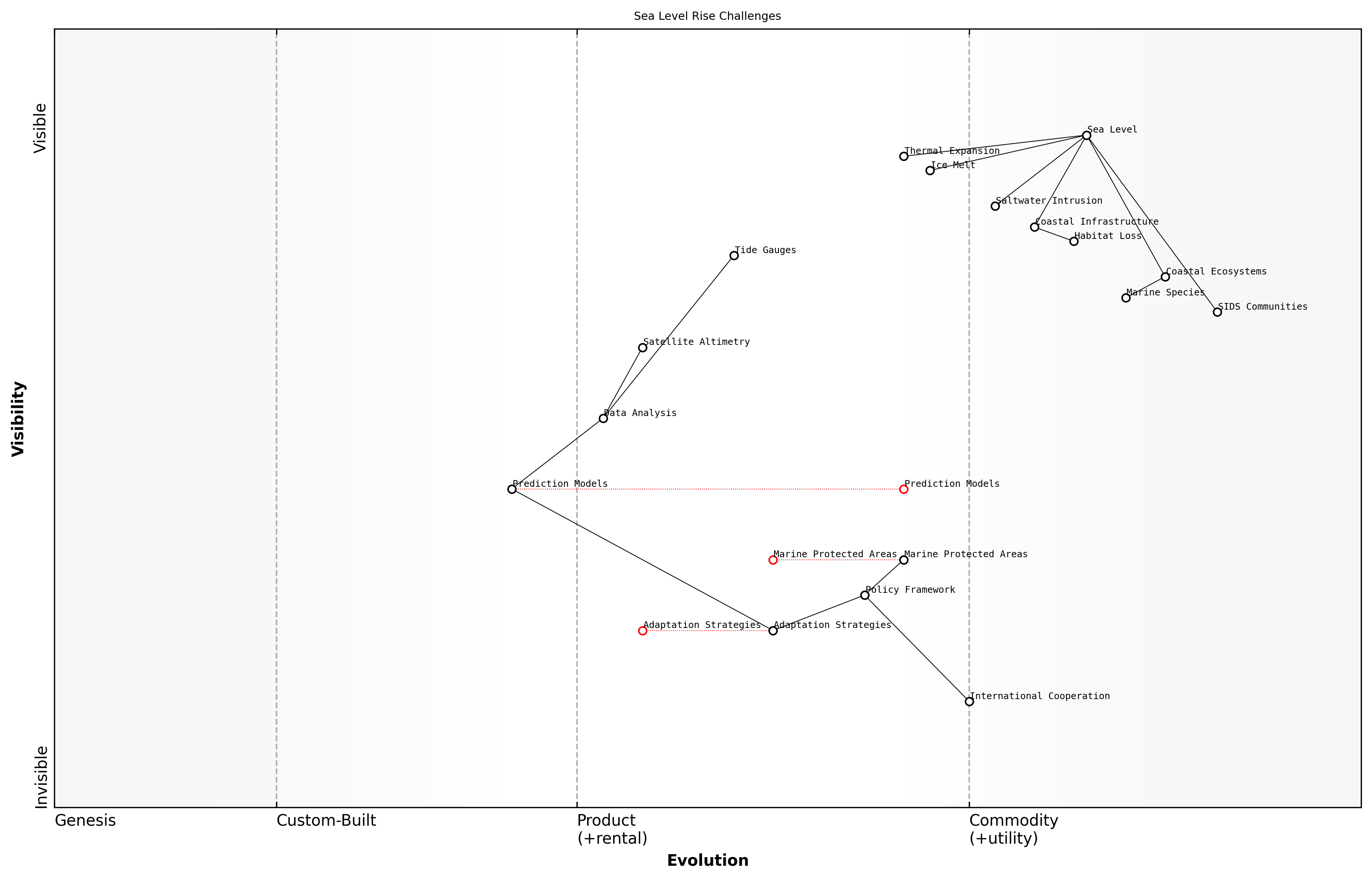
Small island developing states (SIDS) and low-lying coastal areas face disproportionate impacts from sea level rise, threatening both marine biodiversity and human communities. These regions require targeted support and innovative solutions to address their unique vulnerabilities while preserving critical marine ecosystems.
- Loss of critical coastal habitats including mangroves and salt marshes
- Increased saltwater intrusion affecting coastal freshwater systems
- Displacement of coastal communities and traditional fishing practices
- Disruption of marine species breeding and nesting sites
- Accelerated coastal erosion and infrastructure damage
The intersection of sea level rise with other climate stressors creates a perfect storm for marine ecosystems, demanding unprecedented levels of international cooperation and innovative solutions, explains a senior climate adaptation specialist.
The monitoring and prediction of sea level rise impacts require sophisticated technological solutions and international cooperation. Advanced satellite altimetry, tide gauges, and oceanographic measurements provide crucial data for understanding local and regional variations in sea level rise, enabling more effective adaptation strategies and marine conservation efforts.
Looking ahead, the integration of sea level rise considerations into marine protected area planning, coastal development policies, and ecosystem restoration initiatives is essential for achieving SDG 14 targets. This requires a coordinated approach that combines scientific understanding with practical conservation measures and community-based adaptation strategies.
Marine Heat Waves
Marine heat waves (MHWs) represent one of the most significant manifestations of climate change in our oceans, fundamentally altering marine ecosystems and threatening biodiversity. As a critical component of ocean-climate interactions, these prolonged periods of abnormally high sea surface temperatures have become increasingly frequent and intense over the past century, demanding urgent attention within the context of SDG 14 implementation.
The cascading effects of marine heat waves on ocean ecosystems represent perhaps the most visible and immediate impact of climate change on our marine systems, with consequences that ripple through entire food webs and economic systems, notes a leading marine climate scientist.
The characterisation of marine heat waves follows specific criteria, typically defined as periods when sea surface temperatures exceed the 90th percentile of the climatological norm for five or more consecutive days. The intensity, duration, and spatial extent of these events have profound implications for marine ecosystems and the communities that depend on them.
- Increased frequency: MHWs have doubled in frequency since 1982
- Extended duration: Modern MHWs last 40% longer than historical events
- Greater intensity: Peak temperatures are reaching new extremes
- Wider spatial coverage: Events are affecting larger ocean areas
- Higher impact potential: Cascading effects through entire marine food webs
The ecological impacts of marine heat waves are particularly severe, often triggering mass mortality events in marine species, coral bleaching, and shifts in species distribution. These events can fundamentally alter ecosystem structure and function, leading to what experts term ecological tipping points.
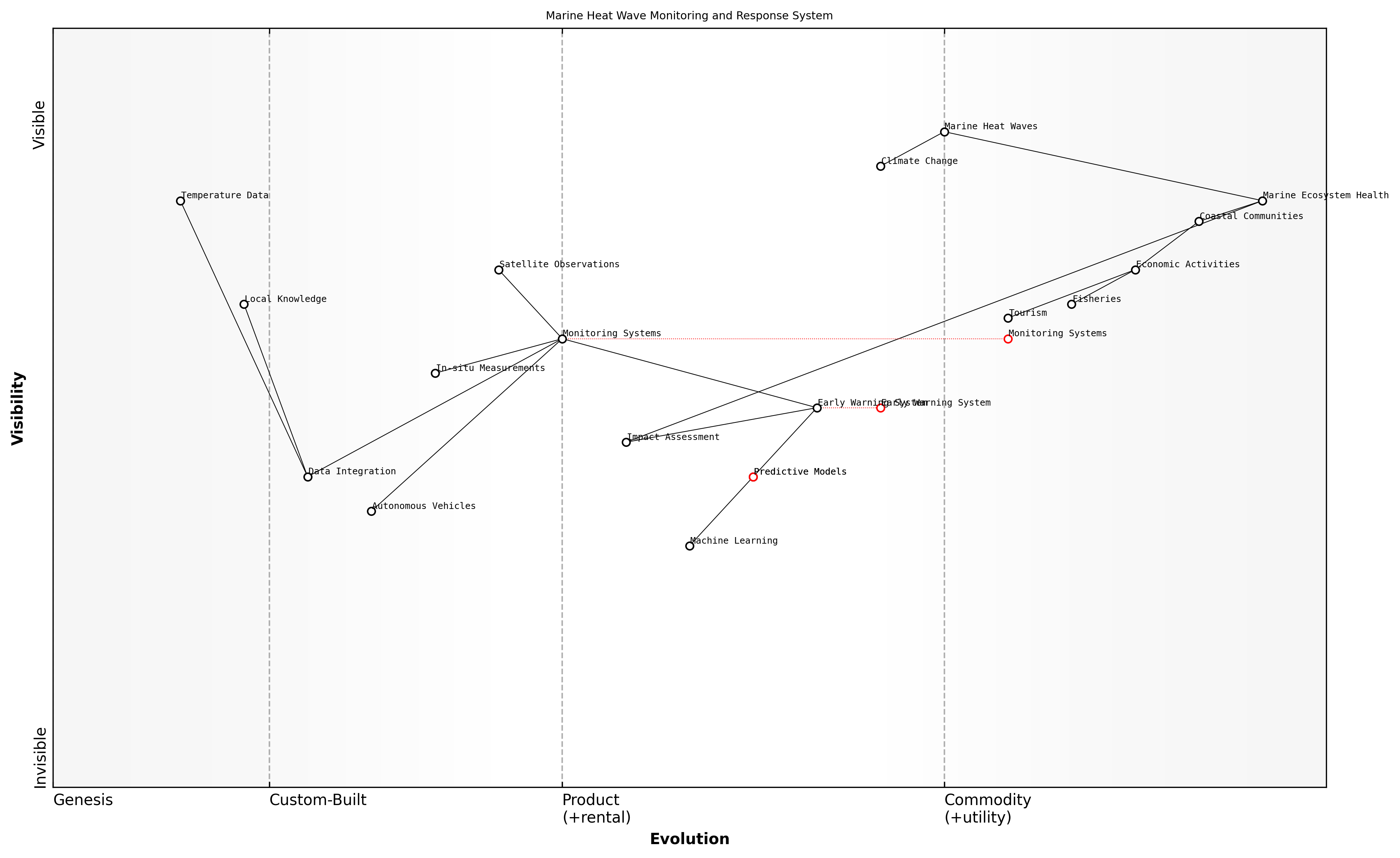
Modern monitoring and prediction systems have become essential tools in understanding and responding to marine heat waves. Satellite observations, coupled with in-situ measurements and advanced modelling capabilities, now enable early warning systems that can help marine resource managers and communities prepare for and adapt to these events.
- Satellite-based sea surface temperature monitoring
- Autonomous underwater vehicle deployments
- Machine learning-based prediction models
- Integrated ecosystem impact assessment frameworks
- Real-time alert systems for stakeholders
The integration of advanced monitoring technologies with local ecological knowledge has revolutionised our ability to respond to marine heat waves, providing crucial lead time for implementation of adaptation strategies, explains a senior oceanographic researcher.
The economic implications of marine heat waves are substantial, particularly for coastal communities dependent on fishing and tourism. Recent research indicates that MHWs can result in significant losses to fisheries productivity, affecting both wild-catch and aquaculture operations. The development of adaptive management strategies has become crucial for maintaining the resilience of marine-dependent economies.
Looking ahead, the frequency and intensity of marine heat waves are projected to increase further under all climate change scenarios. This underscores the urgent need for both mitigation strategies to reduce greenhouse gas emissions and adaptation measures to build resilience in marine ecosystems and dependent communities. The implementation of comprehensive monitoring and response frameworks will be crucial for achieving the targets set under SDG 14, particularly those related to ecosystem resilience and sustainable resource management.
Adaptation Strategies
Coastal Infrastructure Solutions
As climate change continues to pose unprecedented challenges to coastal regions worldwide, the development and implementation of robust coastal infrastructure solutions has become paramount in our adaptation strategy arsenal. Drawing from extensive field experience and government consultations, it's evident that these solutions must balance immediate protective needs with long-term sustainability and ecological considerations.
The future of coastal resilience lies not in fighting against natural processes, but in working harmoniously with them through adaptive and flexible infrastructure solutions, notes a senior coastal engineering advisor.
Modern coastal infrastructure solutions encompass a wide range of approaches, from traditional hard engineering structures to nature-based solutions, often implemented in hybrid configurations. The selection and design of these solutions require careful consideration of local conditions, climate projections, and ecosystem dynamics.
- Hard Engineering Solutions: Seawalls, breakwaters, and storm surge barriers designed with climate change projections
- Soft Engineering Approaches: Beach nourishment, dune restoration, and managed realignment
- Hybrid Solutions: Combination of traditional infrastructure with nature-based elements
- Smart Infrastructure: Integration of sensors and adaptive management systems
- Green-Grey Infrastructure: Engineered solutions that incorporate ecological components
The implementation of coastal infrastructure solutions must consider multiple time horizons and adaptive pathways. This approach allows for flexibility in response to changing conditions and new information about climate impacts. Success stories from coastal cities worldwide demonstrate the effectiveness of phased implementation strategies that can be adjusted as circumstances evolve.
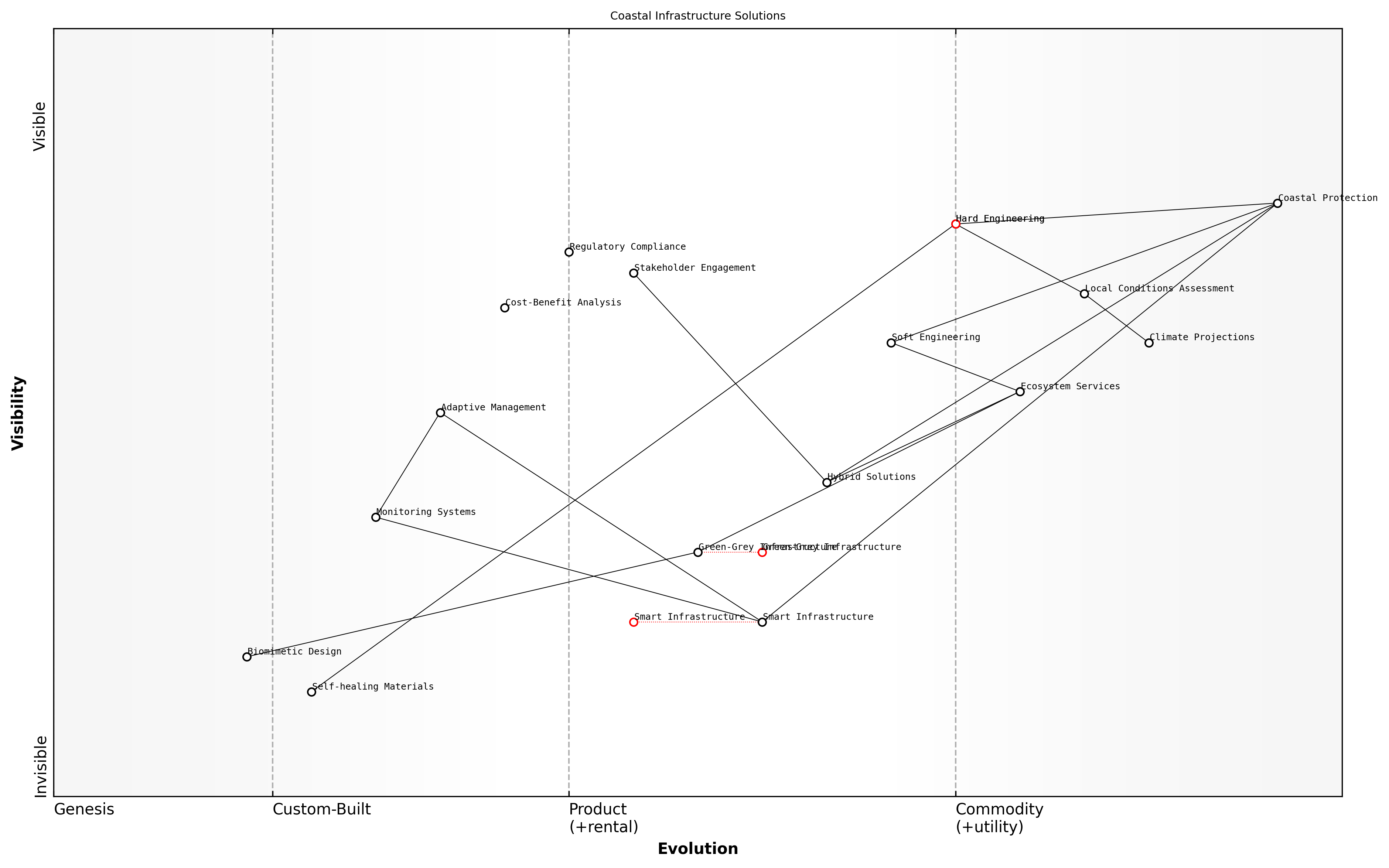
Cost-benefit analyses of various infrastructure solutions reveal that while nature-based and hybrid approaches may require higher initial investment, they often provide superior long-term value through reduced maintenance costs and enhanced ecosystem services. Moreover, these solutions typically offer co-benefits such as improved biodiversity, carbon sequestration, and recreational opportunities.
- Economic Considerations: Initial investment, maintenance costs, and long-term value assessment
- Environmental Impact: Ecosystem services, biodiversity enhancement, and carbon sequestration potential
- Social Benefits: Community resilience, recreational value, and cultural heritage preservation
- Technical Feasibility: Construction requirements, maintenance needs, and adaptive capacity
- Regulatory Compliance: Environmental regulations, building codes, and international standards
The most successful coastal infrastructure projects we've implemented demonstrate that early stakeholder engagement and careful consideration of local ecosystem dynamics are crucial for long-term sustainability, explains a coastal resilience programme director.
Looking ahead, emerging technologies and innovative materials are reshaping the future of coastal infrastructure. Self-healing concrete, biomimetic designs, and smart monitoring systems are becoming increasingly important components of coastal protection strategies. These advances, combined with improved understanding of coastal processes and climate change impacts, are enabling more effective and sustainable solutions.
Ecosystem-based Adaptation
Ecosystem-based Adaptation (EbA) represents a crucial strategy in building ocean resilience against climate change impacts, leveraging natural systems to protect both marine biodiversity and coastal communities. As a comprehensive approach to climate adaptation, EbA harnesses the power of healthy marine and coastal ecosystems to provide natural buffers against climate-related threats whilst delivering multiple co-benefits for biodiversity, local livelihoods, and sustainable development.
Ecosystem-based Adaptation has emerged as one of our most powerful tools in climate resilience, offering cost-effective solutions that work with nature rather than against it, notes a senior marine conservation advisor.
The implementation of EbA in marine environments encompasses a wide range of interventions, from protecting and restoring mangrove forests that serve as natural storm barriers to maintaining seagrass meadows that stabilise coastal sediments and enhance carbon sequestration. These nature-based solutions provide critical ecosystem services while simultaneously supporting climate change adaptation and mitigation efforts.
- Protection and restoration of mangrove ecosystems to reduce coastal erosion and storm impacts
- Conservation of coral reefs to maintain natural wave barriers and support fisheries resilience
- Preservation of seagrass beds to stabilise sediments and enhance carbon storage
- Restoration of salt marshes to reduce flooding and improve water quality
- Integration of traditional ecological knowledge in coastal management strategies
The success of EbA initiatives relies heavily on robust scientific understanding combined with local knowledge and community engagement. Monitoring and evaluation frameworks must be established to assess the effectiveness of interventions and enable adaptive management approaches. This includes tracking both ecological indicators and socioeconomic benefits to ensure the sustainability and scalability of EbA projects.
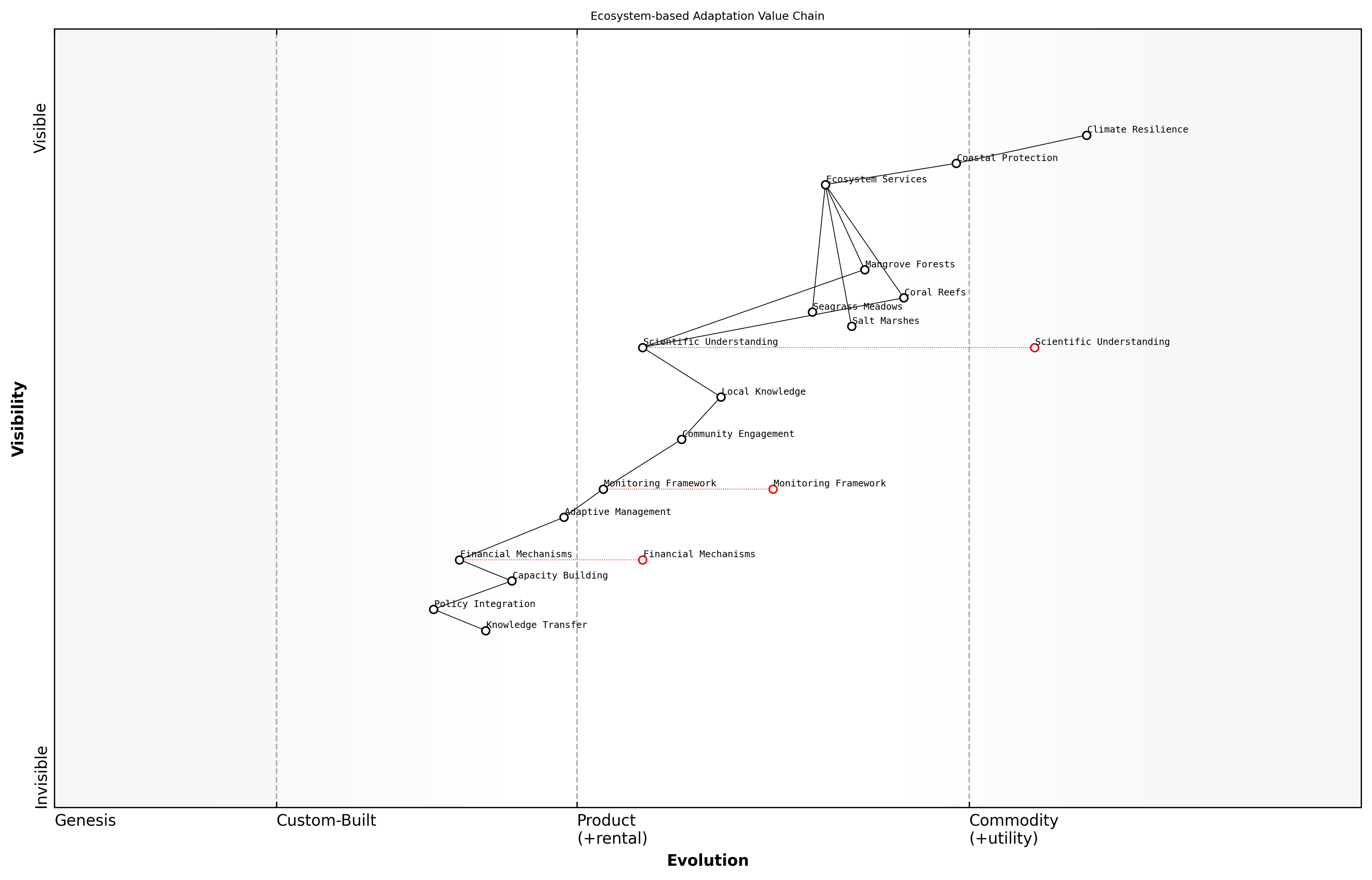
Financial mechanisms play a crucial role in scaling up EbA initiatives. Innovative funding approaches, including blue bonds, carbon credits, and public-private partnerships, are emerging as vital tools for supporting long-term implementation. These mechanisms help ensure the sustainability of EbA projects while creating incentives for conservation and restoration activities.
- Cost-benefit analysis of EbA compared to traditional engineering solutions
- Integration with national adaptation plans and policies
- Development of sustainable financing mechanisms
- Capacity building for local communities and stakeholders
- Monitoring and evaluation frameworks for adaptive management
The beauty of ecosystem-based adaptation lies in its ability to deliver multiple benefits simultaneously - protecting biodiversity, enhancing climate resilience, and supporting local livelihoods, explains a leading coastal management expert.
Looking ahead, the scaling up of EbA approaches requires greater integration into national and regional climate adaptation strategies, improved coordination among stakeholders, and enhanced capacity building at local levels. Success stories from pilot projects need to be effectively documented and shared to facilitate knowledge transfer and adoption of best practices across different contexts and geographies.
Climate-resilient Marine Protected Areas
Climate-resilient Marine Protected Areas (MPAs) represent a critical evolution in ocean conservation strategy, serving as bastions of biodiversity and ecological resilience in the face of mounting climate pressures. As a cornerstone of adaptive management approaches, these specially designed protected areas incorporate climate change considerations into their planning, management, and monitoring frameworks.
The future of marine conservation lies in our ability to design and implement protected areas that can withstand and adapt to climate change impacts while maintaining their ecological integrity, notes a senior marine conservation advisor.
The development of climate-resilient MPAs requires a sophisticated understanding of both current and projected climate impacts, coupled with innovative approaches to spatial planning and management. These areas are strategically designed to protect and enhance ecosystem features that contribute to climate resilience, such as coral reef complexes, mangrove forests, and seagrass meadows that serve as natural carbon sinks and coastal buffers.
- Integration of climate change projections into MPA site selection and boundary determination
- Establishment of climate change monitoring protocols and early warning systems
- Development of adaptive management frameworks that respond to changing conditions
- Implementation of ecosystem-based approaches to enhance natural resilience
- Creation of connectivity corridors to facilitate species migration and adaptation
- Engagement of local communities in climate-resilient MPA management
A key aspect of climate-resilient MPAs is their role in maintaining ecosystem connectivity. These protected areas are increasingly designed as networks rather than isolated units, allowing for species movement and genetic exchange across different habitats and climate gradients. This network approach enhances the overall resilience of marine ecosystems and provides refuge for species adapting to changing conditions.
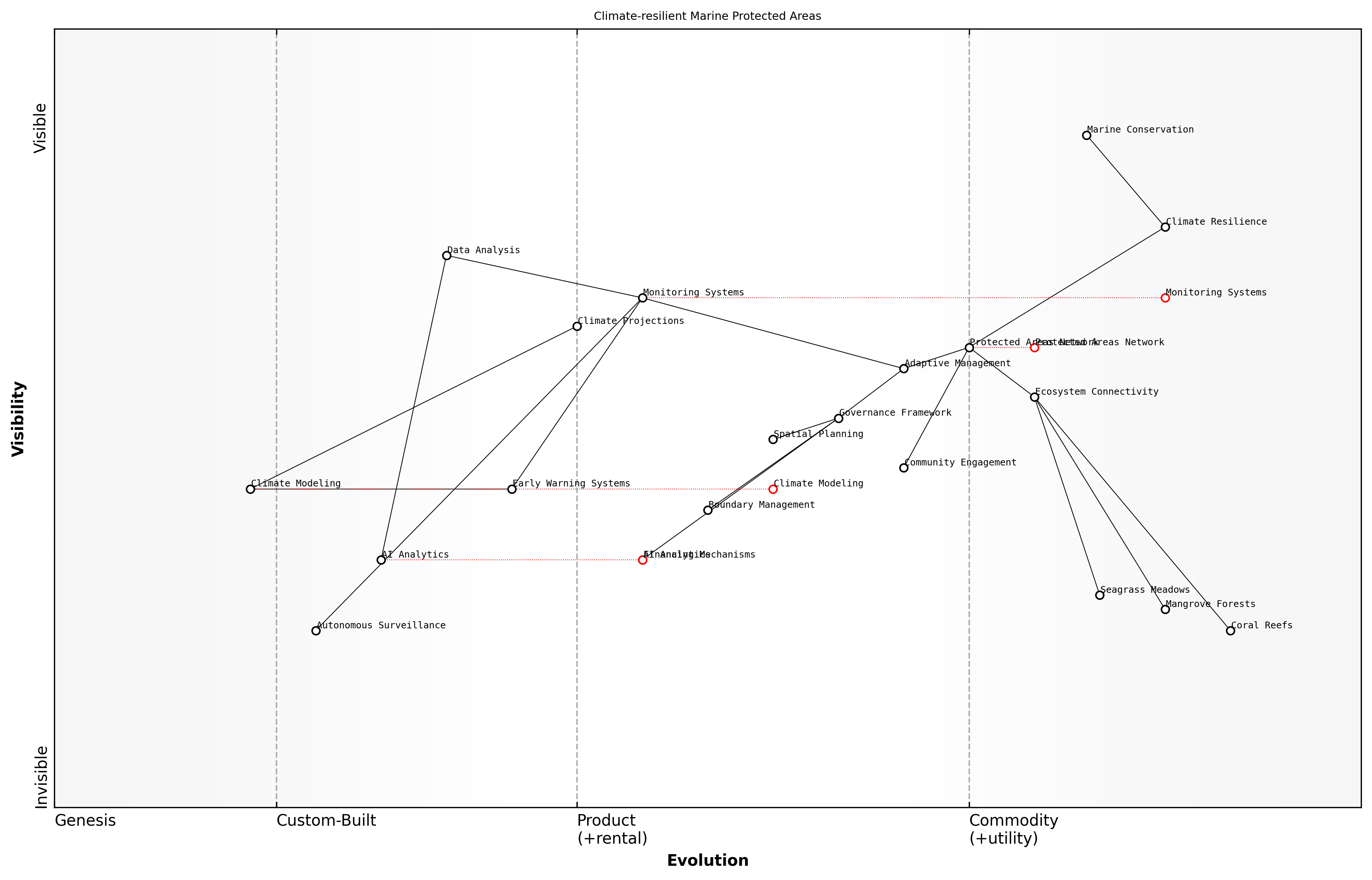
Successful implementation of climate-resilient MPAs requires robust governance frameworks and sustained funding mechanisms. Leading examples demonstrate the importance of integrating traditional ecological knowledge with scientific monitoring, creating adaptive management protocols that can respond to changing conditions, and establishing sustainable financing mechanisms to ensure long-term viability.
- Regular assessment of climate vulnerability and adaptive capacity
- Implementation of dynamic management boundaries that can shift with changing species distributions
- Development of climate-smart monitoring and evaluation systems
- Integration with broader coastal and marine spatial planning initiatives
- Establishment of sustainable financing mechanisms for long-term management
The success of climate-resilient MPAs hinges on our ability to anticipate and respond to change while maintaining the core functions of these protected areas, explains a leading marine protected area specialist.
Looking ahead, the evolution of climate-resilient MPAs will likely incorporate emerging technologies for monitoring and management, including autonomous vehicles for surveillance, artificial intelligence for data analysis, and improved climate modelling capabilities. These innovations, combined with strengthened governance frameworks and community engagement, will be essential for ensuring the effectiveness of MPAs in an era of rapid climate change.
Community Action and Governance
Local Marine Conservation Initiatives
Community-led Projects
Community-led marine conservation projects represent one of the most effective approaches to achieving SDG 14 objectives at the grassroots level. Drawing from decades of experience in coastal community engagement, these initiatives demonstrate how local knowledge, combined with scientific expertise, can create sustainable and impactful conservation outcomes.
The success of marine conservation ultimately depends on the active participation and leadership of coastal communities. When local stakeholders take ownership of conservation initiatives, we see dramatically improved outcomes and long-term sustainability, notes a senior marine conservation advisor.
The effectiveness of community-led projects stems from their ability to address local challenges while incorporating traditional ecological knowledge. These initiatives typically emerge from direct community needs and concerns, ensuring strong local buy-in and sustained commitment to marine conservation goals.
- Local fishing gear modifications to reduce bycatch
- Community-managed marine protected areas
- Beach clean-up and waste management programmes
- Coral reef monitoring and restoration projects
- Sustainable tourism initiatives
- Local marine species conservation programmes
- Traditional fishing ground management
The implementation of community-led projects requires careful consideration of local governance structures, cultural practices, and economic realities. Successful initiatives often incorporate capacity building elements, ensuring communities have the necessary skills and resources to maintain long-term conservation efforts.
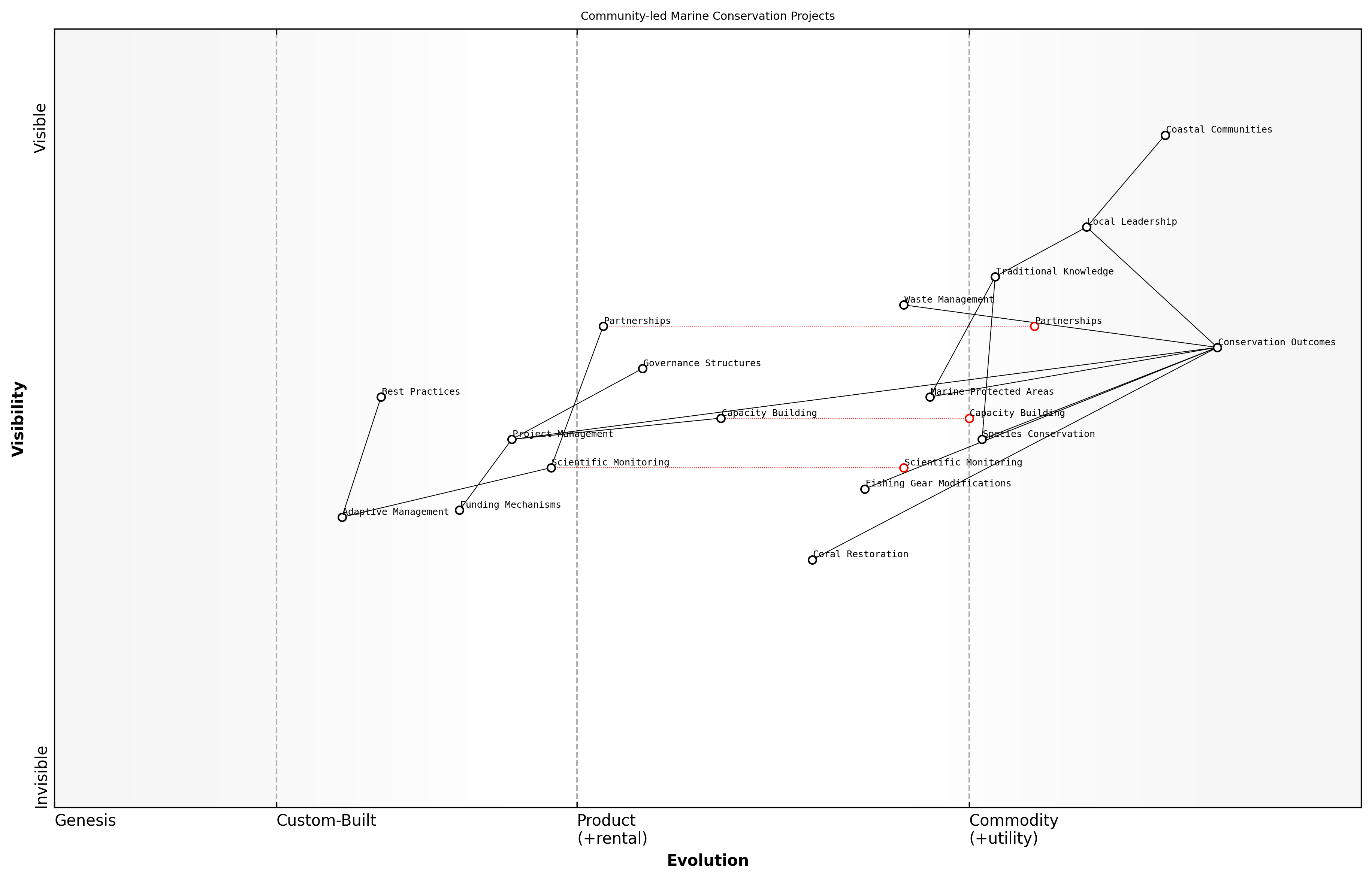
- Establish clear governance structures and decision-making processes
- Integrate scientific monitoring with traditional knowledge systems
- Develop sustainable funding mechanisms
- Create partnerships with research institutions and NGOs
- Implement adaptive management approaches
- Document and share best practices
- Build local capacity for project management
The success of community-led marine conservation projects often hinges on the establishment of effective partnerships. These collaborations, whether with government agencies, academic institutions, or non-governmental organisations, provide essential technical support while ensuring local leadership remains at the forefront of decision-making processes.
The most resilient marine conservation initiatives are those where communities not only participate but actively lead the design and implementation process. This ownership creates a powerful foundation for long-term environmental stewardship, observes a veteran coastal resource management specialist.
Monitoring and evaluation frameworks for community-led projects must balance scientific rigour with practical feasibility. Successful approaches often combine traditional ecological knowledge with modern scientific methods, creating robust systems for tracking progress and adapting management strategies as needed.
Indigenous Ocean Management
Indigenous ocean management represents one of the most sophisticated and time-tested approaches to marine conservation, drawing upon millennia of accumulated knowledge and cultural practices. As a critical component of SDG 14 implementation, indigenous management systems offer invaluable insights into sustainable ocean governance and demonstrate the effectiveness of place-based, culturally-informed conservation strategies.
Traditional ecological knowledge systems have consistently proven to be more effective at maintaining marine biodiversity and ecosystem health than many contemporary management approaches, notes a senior marine conservation advisor.
Indigenous communities worldwide have developed sophisticated systems for managing marine resources, often incorporating complex understanding of ecosystem dynamics, species interactions, and seasonal variations. These traditional management systems typically feature adaptive governance structures that respond to environmental changes while maintaining cultural continuity and community well-being.
- Traditional seasonal fishing restrictions and rotational harvesting practices
- Sacred marine areas that function as de facto marine protected areas
- Customary laws governing resource access and distribution
- Intergenerational knowledge transfer systems
- Cultural practices that promote sustainable harvest levels
- Community-based monitoring and enforcement mechanisms
Modern marine conservation efforts increasingly recognise the value of incorporating indigenous management practices into broader ocean governance frameworks. This integration presents both opportunities and challenges, particularly in reconciling traditional approaches with contemporary scientific methods and regulatory requirements.
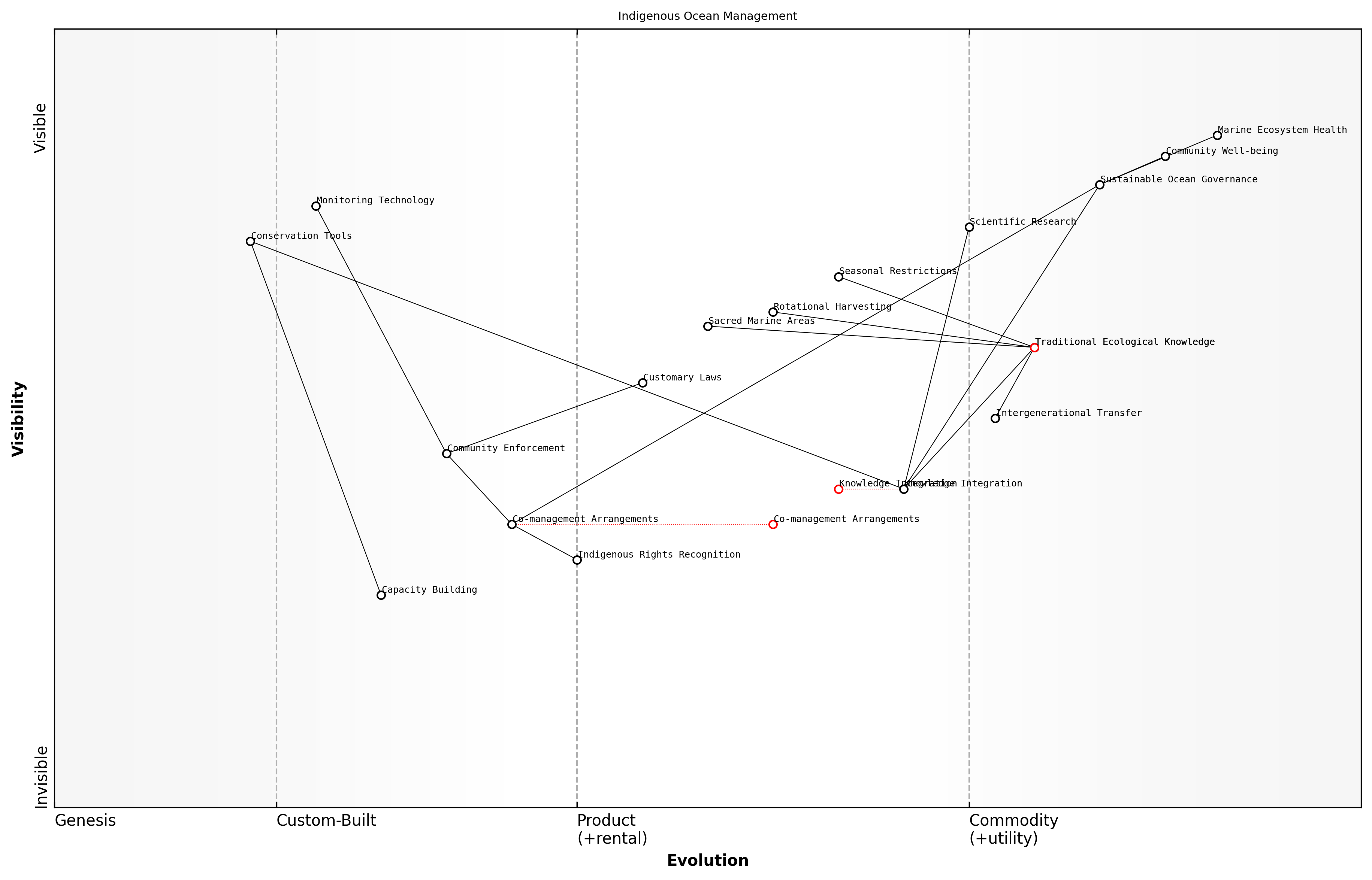
Successful implementation of indigenous ocean management requires careful attention to rights recognition, capacity building, and genuine power-sharing arrangements. Experience shows that when indigenous communities maintain authority over their traditional waters, marine ecosystem health typically improves alongside community well-being.
- Recognition of indigenous rights and title to marine territories
- Support for indigenous-led monitoring and enforcement
- Integration of traditional knowledge with scientific research
- Development of co-management arrangements
- Protection of cultural practices and knowledge systems
- Capacity building for modern conservation tools and techniques
The revival of traditional management systems, combined with modern scientific approaches, represents our best hope for achieving sustainable ocean governance, explains a prominent indigenous ocean guardian.
Looking forward, indigenous ocean management systems offer valuable lessons for developing climate-resilient and socially just approaches to marine conservation. Their emphasis on holistic ecosystem understanding, long-term sustainability, and community stewardship aligns perfectly with SDG 14's objectives while providing practical frameworks for implementation.
Educational Outreach Programs
Educational outreach programs represent a critical cornerstone in advancing SDG 14 objectives, serving as the vital bridge between scientific understanding and community engagement. These programmes play an instrumental role in fostering ocean literacy, building public awareness, and catalysing meaningful action for marine conservation at local, regional, and global levels.
The success of marine conservation initiatives ultimately depends on our ability to create an informed and engaged citizenry that understands and values ocean ecosystems, notes a senior marine education coordinator at a leading conservation organisation.
Effective marine education outreach programmes typically encompass multiple delivery mechanisms and engagement strategies, tailored to diverse audience needs and local contexts. These programmes have evolved significantly with the integration of digital technologies and innovative teaching methodologies, enabling broader reach and more impactful learning outcomes.
- School-based marine education programmes integrating ocean literacy into curriculum
- Community workshops and hands-on learning experiences
- Digital platforms and virtual reality experiences for remote learning
- Citizen science initiatives engaging communities in data collection
- Public awareness campaigns through traditional and social media
- Training programmes for local environmental educators and advocates
- Marine conservation centres and interactive exhibits
The implementation of successful educational outreach requires careful consideration of local cultural contexts, existing knowledge systems, and community needs. Programmes must strike a balance between scientific rigour and accessibility, ensuring content remains engaging whilst maintaining accuracy and relevance.
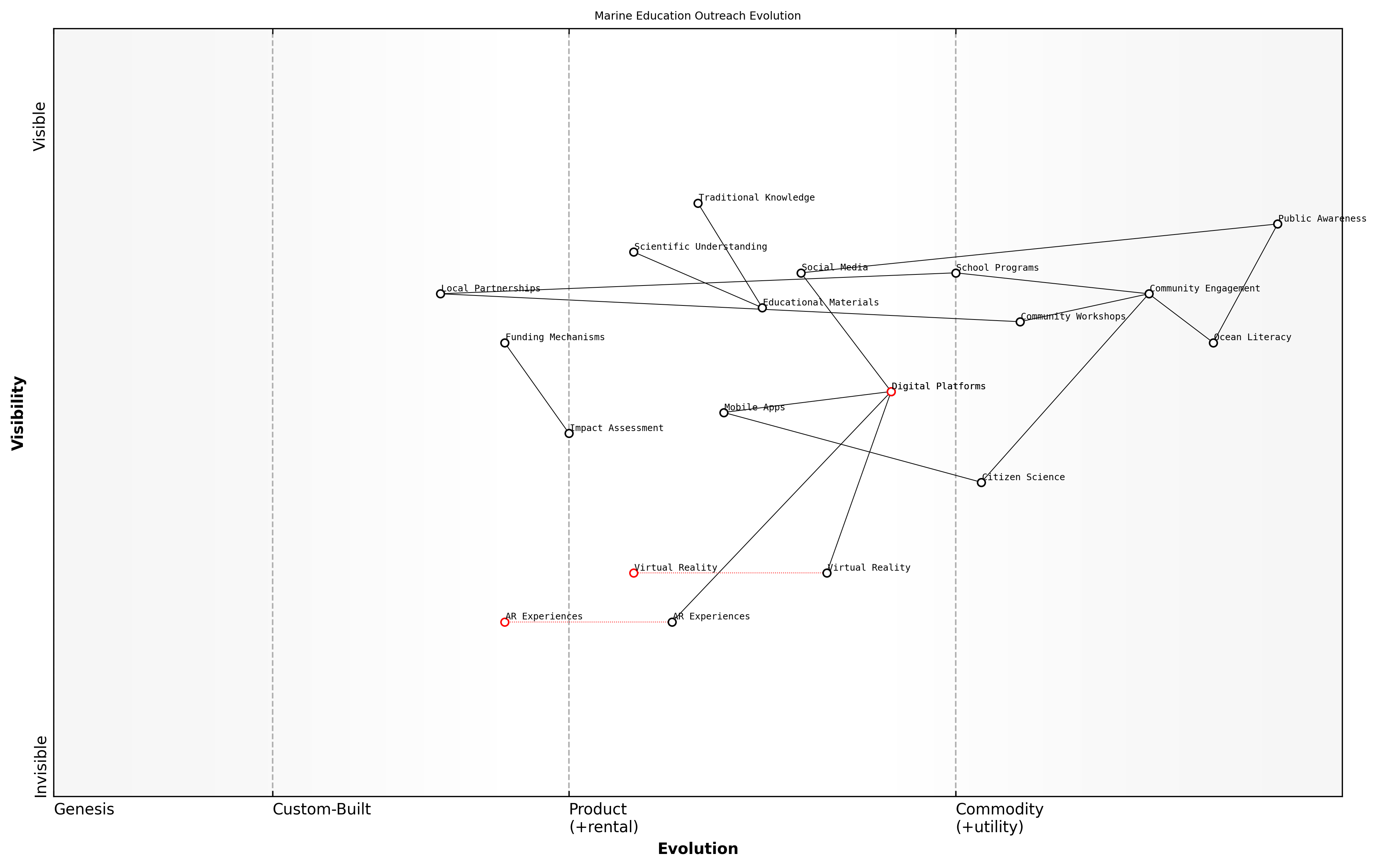
- Assessment of community needs and existing knowledge gaps
- Development of culturally appropriate educational materials
- Integration of traditional ecological knowledge with scientific understanding
- Creation of participatory learning experiences
- Establishment of monitoring and evaluation frameworks
- Building sustainable funding mechanisms
- Formation of partnerships with educational institutions and local organisations
Measuring the impact of educational outreach programmes requires both quantitative and qualitative approaches. Success indicators might include changes in community behaviour, increased participation in conservation activities, and improved understanding of marine ecosystems and threats.
When communities truly understand the value of their marine resources and feel empowered to protect them, we see remarkable transformations in local conservation outcomes, observes a veteran marine conservation educator with decades of field experience.
The future of marine education outreach lies in adaptive, technology-enabled approaches that can respond to rapidly changing environmental conditions and societal needs. Emerging trends include the use of augmented reality for immersive learning experiences, mobile applications for citizen science, and integrated social media campaigns for broader engagement.
Policy Frameworks
International Maritime Laws
International maritime laws form the cornerstone of ocean governance and play a pivotal role in achieving SDG 14's objectives for sustainable ocean management. These legal frameworks establish the fundamental principles and mechanisms through which nations cooperate to protect marine environments, regulate maritime activities, and ensure sustainable use of ocean resources.
The evolution of international maritime law represents one of humanity's most significant achievements in collective governance of shared resources, notes a senior maritime policy advisor at the United Nations.
The United Nations Convention on the Law of the Sea (UNCLOS) serves as the constitution for our oceans, establishing the legal framework within which all activities in the oceans and seas must be carried out. This comprehensive regime addresses everything from territorial waters and exclusive economic zones to deep-sea mining and marine scientific research.
- Maritime Zones and Jurisdiction: Defining territorial seas, contiguous zones, exclusive economic zones, and continental shelf boundaries
- Freedom of Navigation: Ensuring safe passage and maritime commerce whilst protecting marine environments
- Marine Resource Management: Regulations for fishing, mining, and other extractive activities
- Environmental Protection: Frameworks for preventing pollution and protecting marine biodiversity
- Dispute Resolution: Mechanisms for settling international maritime disputes
Beyond UNCLOS, a complex web of international agreements addresses specific aspects of ocean governance. The International Maritime Organization (IMO) conventions regulate shipping safety, prevent marine pollution, and establish liability and compensation mechanisms. These include MARPOL (International Convention for the Prevention of Pollution from Ships) and the International Convention for the Safety of Life at Sea (SOLAS).
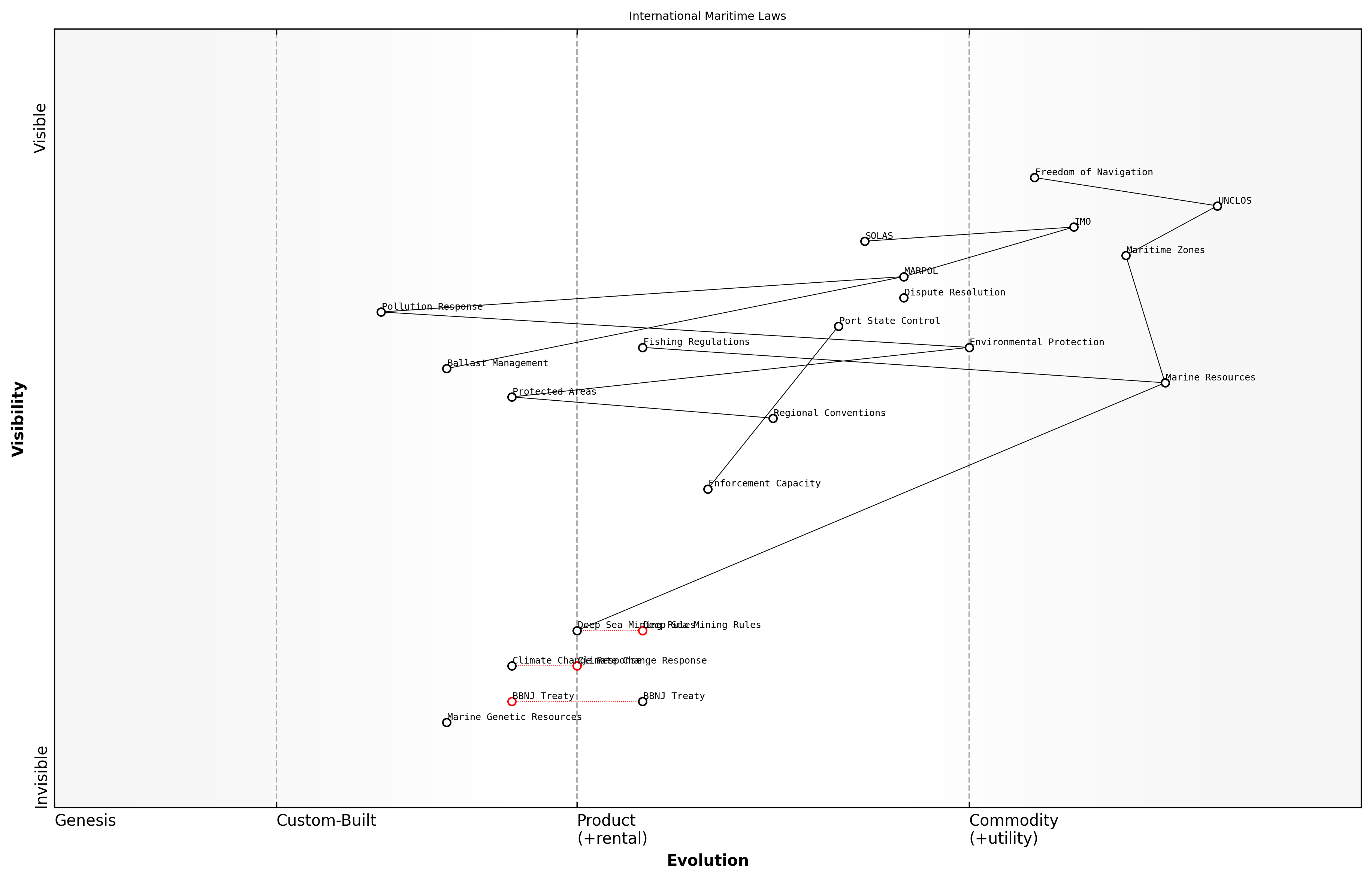
Regional seas conventions and action plans provide more localised frameworks for ocean protection, addressing specific challenges within geographical areas. These instruments demonstrate how international law can be adapted to address particular regional concerns whilst maintaining consistency with global frameworks.
- Port State Control measures for vessel inspection and compliance enforcement
- Regulations on ballast water management to prevent invasive species
- Frameworks for marine protected areas in international waters
- Protocols for responding to marine pollution incidents
- Guidelines for sustainable fishing practices and stock management
The effectiveness of international maritime law depends not just on its provisions, but on the political will and capacity of states to implement and enforce these regulations, observes a distinguished maritime law expert.
Emerging challenges, such as climate change impacts, deep-sea mining, and marine genetic resources, are pushing the boundaries of existing legal frameworks. The international community is actively working to develop new instruments, such as the treaty on marine biodiversity in areas beyond national jurisdiction (BBNJ), to address these contemporary challenges and ensure comprehensive ocean governance for future generations.
Regional Cooperation Mechanisms
Regional cooperation mechanisms represent the cornerstone of effective ocean governance and are essential for achieving SDG 14 targets. As marine ecosystems transcend national boundaries, collaborative frameworks between neighbouring states and regional bodies have become increasingly critical for addressing transboundary challenges in marine conservation and sustainable resource management.
The complexity of marine ecosystems demands that we move beyond isolated national approaches towards integrated regional solutions that reflect the interconnected nature of our oceans, notes a senior policy advisor from the Pacific Regional Environment Programme.
Regional Seas Programmes and Regional Fisheries Management Organisations (RFMOs) form the backbone of contemporary marine governance structures. These mechanisms facilitate coordinated responses to shared challenges, from combating illegal fishing to managing marine protected areas and addressing pollution concerns.
- Joint monitoring and surveillance programmes
- Shared scientific research initiatives
- Coordinated enforcement activities
- Harmonised policy frameworks
- Capacity building and technology transfer
- Collective emergency response protocols
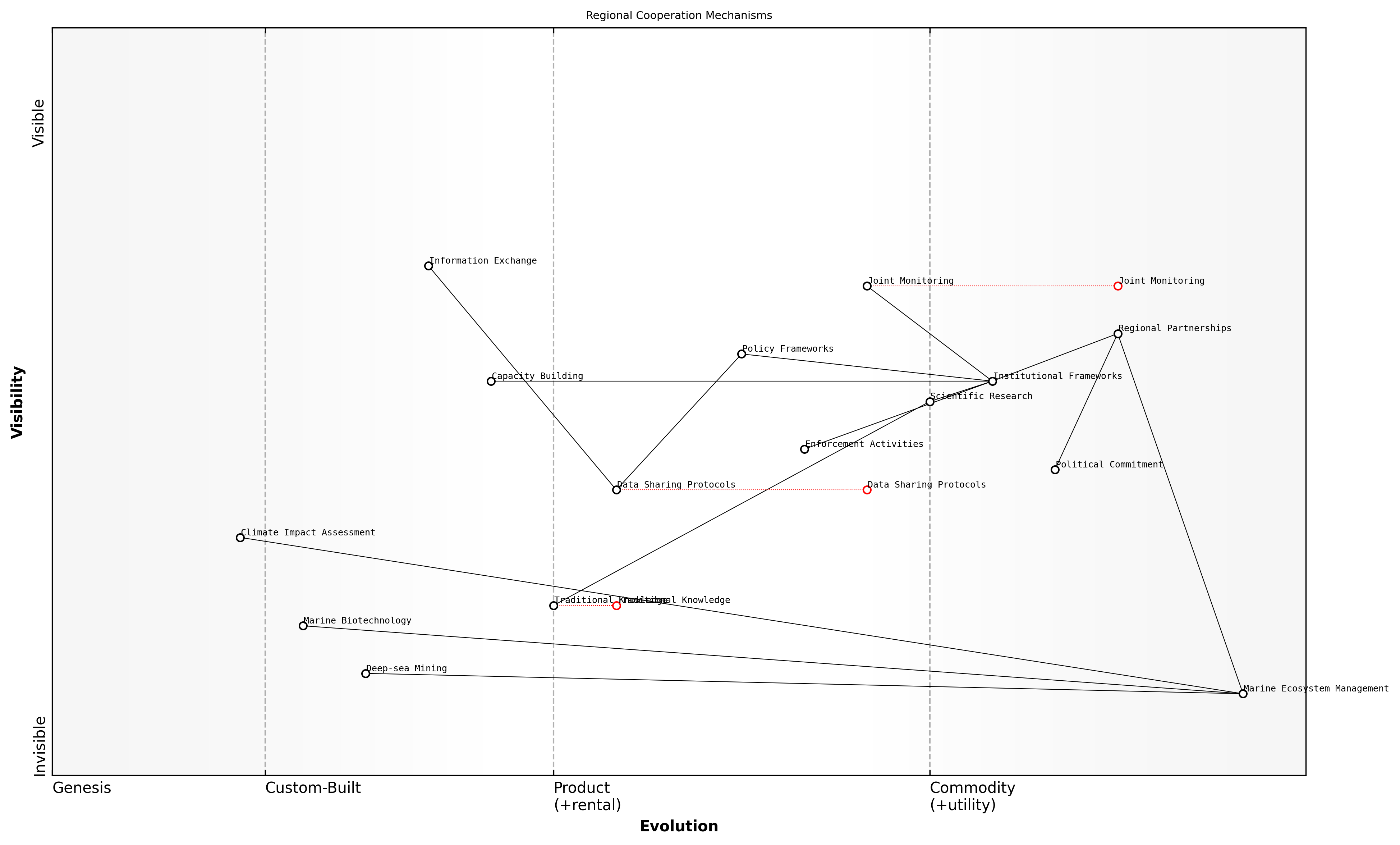
The effectiveness of regional cooperation mechanisms relies heavily on robust institutional frameworks and sustained political commitment. Successful examples include the Mediterranean Action Plan (MAP) and the Coral Triangle Initiative, which demonstrate how regional partnerships can drive meaningful conservation outcomes while supporting sustainable economic development.
- Regular ministerial-level meetings and policy dialogues
- Standardised monitoring and reporting protocols
- Shared databases and information exchange platforms
- Joint capacity development programmes
- Coordinated funding mechanisms
- Harmonised regulatory frameworks
Emerging challenges in regional cooperation include the need for enhanced data sharing protocols, improved coordination of enforcement activities, and the development of innovative financing mechanisms. The integration of traditional knowledge systems with modern scientific approaches has also become increasingly important, particularly in regions with strong indigenous maritime traditions.
Regional cooperation mechanisms must evolve beyond conventional diplomatic frameworks to embrace more dynamic, adaptive approaches that can respond to rapidly changing marine environments, emphasises a leading expert in international maritime law.
The future of regional cooperation lies in the development of more integrated, ecosystem-based approaches that acknowledge the interconnected nature of marine challenges. This includes strengthening existing mechanisms while developing new frameworks that can address emerging issues such as deep-sea mining, marine biotechnology, and the impacts of climate change on ocean systems.
National Implementation Strategies
National Implementation Strategies represent the cornerstone of translating global SDG 14 commitments into tangible actions at the country level. Drawing from extensive experience advising governments worldwide, it's evident that successful implementation requires a carefully orchestrated approach that combines policy frameworks, institutional arrangements, and monitoring mechanisms tailored to each nation's unique marine context.
The effectiveness of SDG 14 implementation ultimately hinges on our ability to create robust national frameworks that bridge the gap between international aspirations and local realities, notes a senior policy advisor from a Pacific Island nation.
Effective national implementation strategies typically encompass several critical components that must work in harmony to achieve desired outcomes. These strategies must be adaptive, responsive to local conditions, and integrated within broader national development frameworks while maintaining alignment with international obligations.
- Policy Integration: Embedding SDG 14 targets within national marine and coastal policies
- Institutional Coordination: Establishing clear roles and responsibilities across government agencies
- Stakeholder Engagement: Developing mechanisms for meaningful participation of all relevant actors
- Resource Mobilisation: Securing adequate funding and technical capacity
- Monitoring and Evaluation: Implementing robust systems for tracking progress
- Capacity Development: Building technical and institutional capabilities
- Knowledge Management: Establishing systems for data collection and sharing
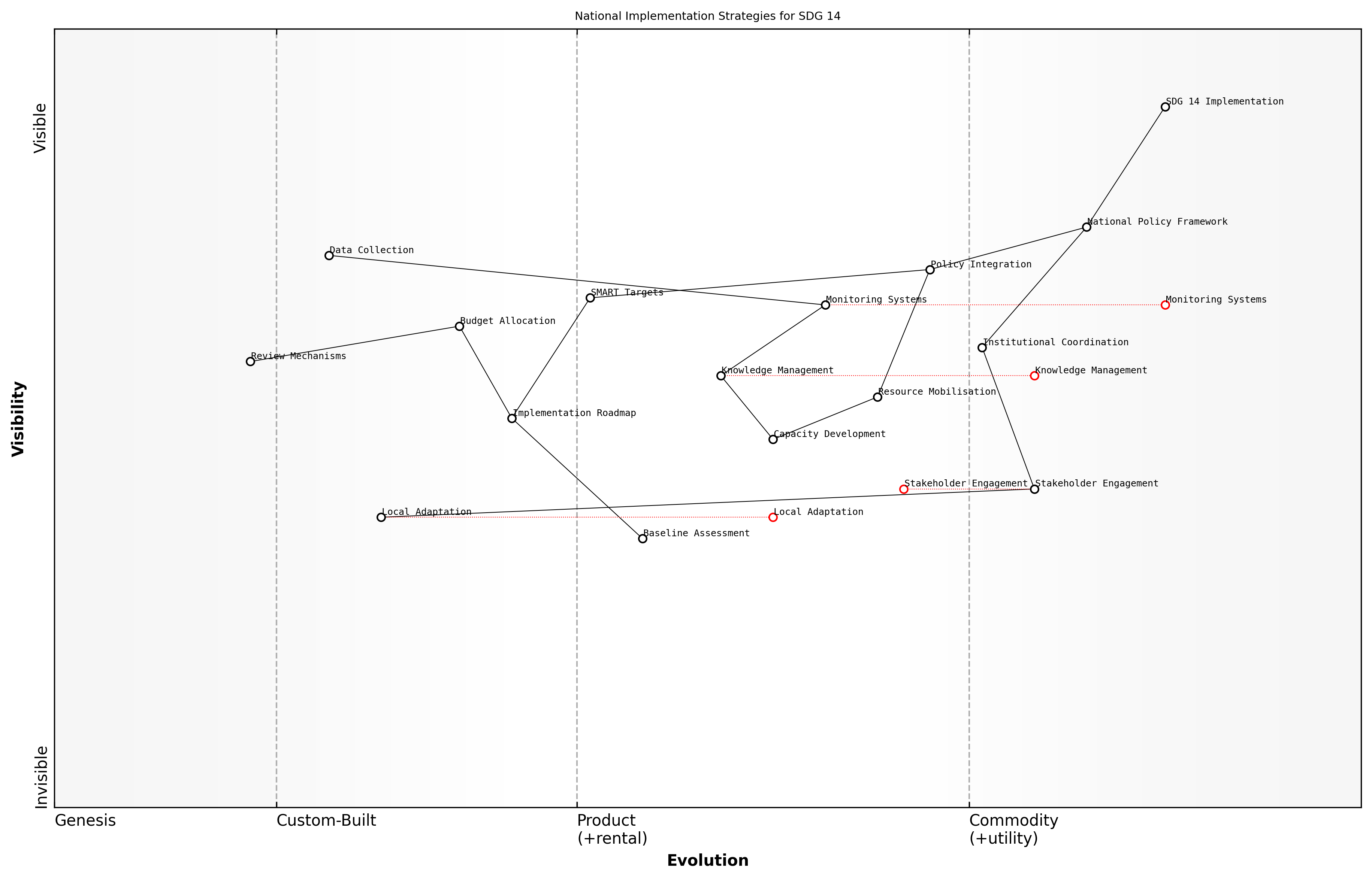
A crucial aspect often overlooked in national implementation is the need for vertical integration across different levels of government. Local authorities must be empowered to implement national policies while maintaining flexibility to address specific coastal and marine challenges within their jurisdictions. This requires careful consideration of governance structures and clear delineation of responsibilities.
Success in implementing SDG 14 at the national level demands a delicate balance between maintaining consistent standards and allowing for local adaptation, explains a veteran marine policy coordinator.
- Establish clear baseline assessments of marine and coastal resources
- Develop specific, measurable, achievable, relevant, and time-bound (SMART) targets
- Create implementation roadmaps with clear milestones and responsibilities
- Design monitoring frameworks aligned with national statistical capabilities
- Ensure adequate budget allocation across implementation phases
- Develop capacity building programmes for implementing agencies
- Establish mechanisms for regular review and adjustment of strategies
The implementation process must also account for cross-cutting issues such as climate change, gender equality, and poverty reduction. Successful strategies typically incorporate these considerations through integrated planning approaches that recognise the interconnected nature of sustainable development challenges.
The most effective national strategies are those that recognise ocean conservation cannot be achieved in isolation from other development priorities, observes a leading sustainable development expert.
Regular review and adjustment of implementation strategies is essential for maintaining effectiveness and relevance. This involves establishing feedback mechanisms that enable learning from implementation experiences and adapting approaches based on emerging challenges and opportunities. The process should be participatory, involving both government and non-government stakeholders to ensure broad-based support and sustained commitment to achieving SDG 14 targets.
Future Directions
Emerging Opportunities
As we stand at the intersection of technological advancement, growing environmental awareness, and evolving governance frameworks, numerous emerging opportunities are reshaping our approach to achieving SDG 14 targets. These opportunities represent transformative potential for ocean conservation and sustainable management, particularly within the context of community action and governance structures.
The convergence of digital innovation, community empowerment, and policy evolution has created an unprecedented moment for ocean conservation. We are witnessing the dawn of a new era in marine resource management, notes a senior advisor to the International Maritime Organisation.
- Digital Ocean Platforms: Development of integrated digital platforms that combine satellite data, AI analytics, and community reporting for comprehensive ocean monitoring
- Blockchain for Traceability: Implementation of blockchain technology in fisheries management and marine resource tracking
- Citizen Science Initiatives: Enhanced mobile applications and tools enabling communities to participate in ocean data collection and monitoring
- Blue Carbon Markets: Emerging financial mechanisms for marine ecosystem conservation through carbon credit systems
- Indigenous Knowledge Integration: Digital platforms for capturing and incorporating traditional ecological knowledge into marine management
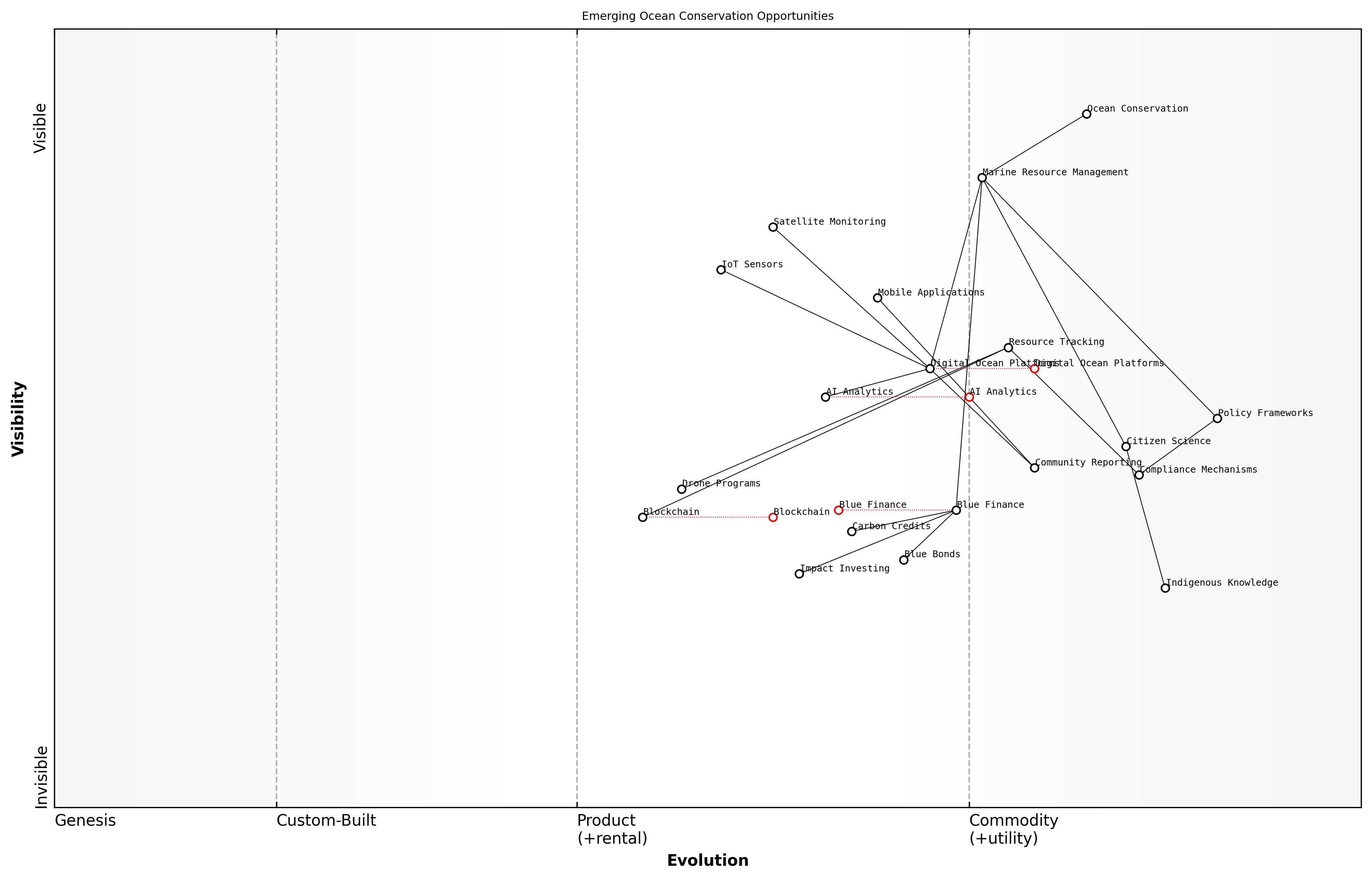
The rise of blue finance mechanisms presents particularly promising opportunities for scaling conservation efforts. Innovative funding models, including blue bonds, marine conservation trust funds, and impact investing schemes, are creating new pathways for sustainable ocean management. These financial instruments are increasingly being coupled with rigorous monitoring and evaluation frameworks, ensuring accountability and measurable impact.
- Development of standardised metrics for blue finance performance
- Integration of satellite monitoring with financial compliance mechanisms
- Creation of community-based marine conservation investment vehicles
- Establishment of international blue finance platforms and exchanges
- Implementation of results-based financing for ocean conservation projects
Technological convergence is creating unprecedented opportunities for enhanced ocean governance. The integration of artificial intelligence, Internet of Things (IoT) sensors, and advanced analytics is enabling real-time monitoring and enforcement of marine protected areas. These technologies are becoming increasingly accessible to developing nations and local communities, democratising ocean conservation efforts.
The democratisation of ocean monitoring technology has fundamentally altered the landscape of marine conservation. Communities that were once passive observers are now becoming active guardians of their marine resources, observes a leading marine conservation technologist.
- Advanced remote sensing capabilities for small-scale fisheries
- AI-powered species identification and tracking systems
- Distributed ledger technologies for transparent resource management
- Community-operated drone monitoring programmes
- Integrated coastal management platforms
Policy innovation represents another crucial frontier of opportunity. The evolution of international frameworks for ocean governance is creating new spaces for collaborative action. Emerging models of polycentric governance, which recognise the importance of multiple decision-making centres at different scales, are particularly promising for addressing complex marine challenges.
Research Priorities
As we navigate the complex challenges facing our oceans, establishing clear research priorities is crucial for achieving SDG 14 targets and ensuring effective marine conservation. These priorities must address emerging threats while building upon existing knowledge to create actionable solutions for ocean sustainability.
The next decade of ocean research must bridge the gap between scientific understanding and practical implementation, whilst addressing the rapidly evolving challenges posed by climate change and human activities, notes a senior marine policy advisor.
Drawing from extensive consultation with marine scientists, policymakers, and stakeholders across the globe, several critical research areas have emerged as paramount for advancing SDG 14 objectives. These priorities reflect both immediate needs and long-term strategic requirements for ocean conservation and sustainable resource management.
- Development of advanced monitoring systems for real-time ocean health assessment, including AI-driven analysis of marine ecosystem dynamics
- Research into climate change impacts on marine biodiversity and ecosystem resilience, with focus on adaptation strategies
- Investigation of novel approaches to plastic pollution remediation and prevention, including biodegradable alternatives
- Studies on sustainable aquaculture practices and their integration with natural marine ecosystems
- Research on blue carbon ecosystems and their role in climate change mitigation
- Development of innovative financing mechanisms for marine conservation initiatives
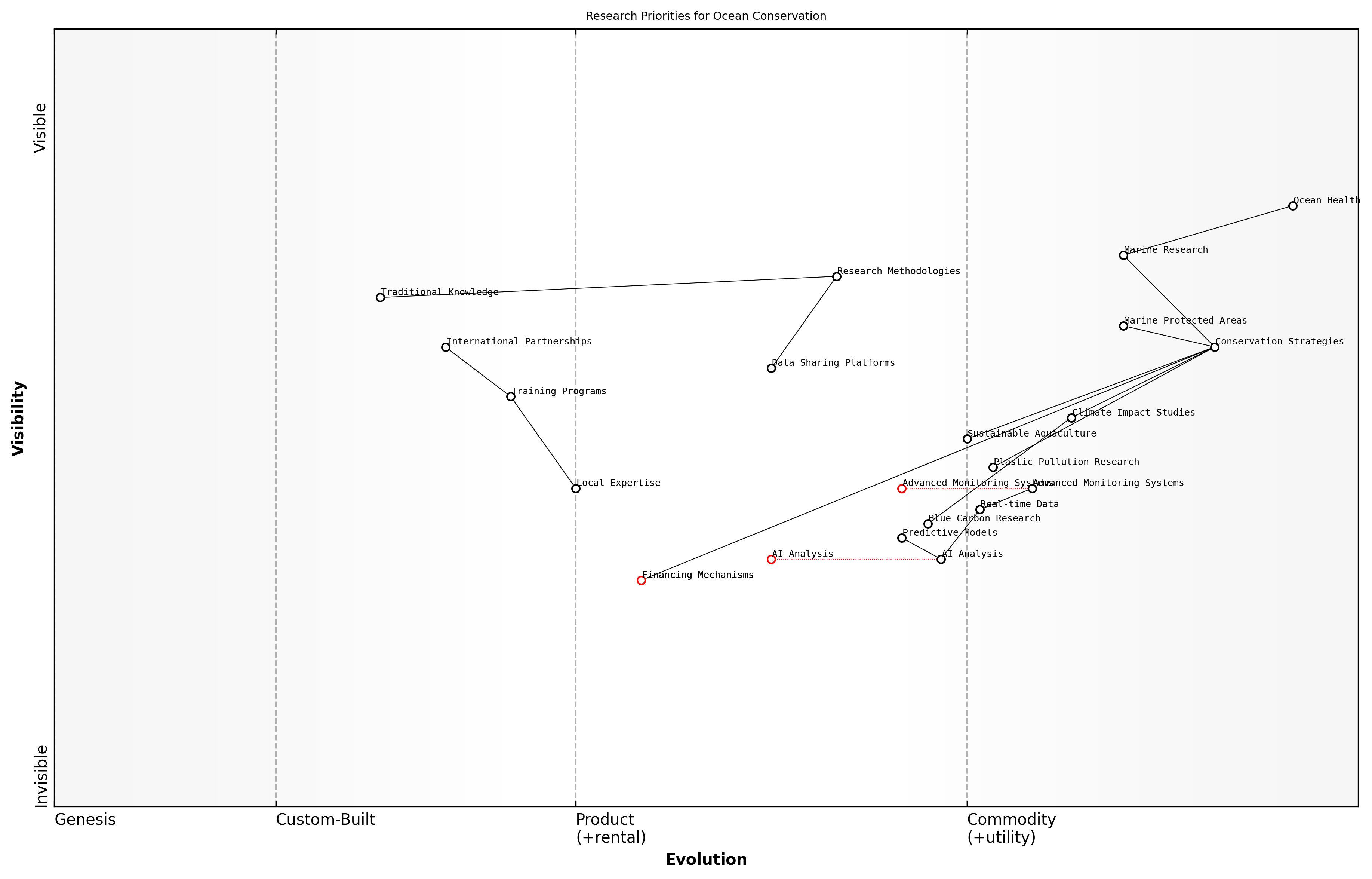
Cross-cutting themes have emerged as particularly significant, emphasising the need for interdisciplinary research approaches. The integration of traditional ecological knowledge with modern scientific methods presents a promising avenue for developing more comprehensive understanding of marine ecosystems and their management.
- Enhancement of data sharing platforms and standardisation of marine research methodologies
- Development of predictive models for marine ecosystem responses to multiple stressors
- Investigation of social-ecological systems in coastal communities
- Research into marine biotechnology applications for conservation
- Studies on effective marine protected area design and management
Our research priorities must shift from merely documenting ocean decline to actively developing and testing solutions that can be implemented at scale, emphasises a leading marine conservation scientist.
Capacity building in marine research, particularly in developing nations, remains a crucial priority. This includes the transfer of technology, development of local expertise, and establishment of regional centres of excellence for marine research. The emphasis on building local research capacity ensures that conservation efforts are both locally relevant and globally impactful.
- Training programmes for early-career marine scientists from developing nations
- Development of low-cost research technologies suitable for resource-limited settings
- Establishment of international research partnerships and networks
- Creation of standardised protocols for citizen science initiatives
- Integration of traditional knowledge with modern scientific approaches
Future research must also address the economic dimensions of ocean conservation, including the development of sustainable blue economy initiatives and the valuation of marine ecosystem services. This economic perspective is essential for creating viable long-term conservation strategies and securing necessary funding for marine protection efforts.
Call to Action
As we stand at a critical juncture in ocean conservation, the imperative for decisive action has never been more urgent. Drawing from decades of experience in marine policy implementation and stakeholder engagement, it is evident that our collective response to ocean challenges must be both immediate and sustained. This call to action represents a culmination of proven strategies and emerging opportunities that can drive meaningful progress towards SDG 14 objectives.
The next decade will determine whether we can restore ocean health or face irreversible decline. Our actions today will echo through generations to come, states a senior marine policy advisor at a leading international conservation organisation.
- Strengthen international cooperation through enhanced data sharing and collaborative research initiatives
- Accelerate the adoption of innovative technologies for ocean monitoring and protection
- Scale up successful community-led conservation models across coastal regions
- Implement robust financing mechanisms for marine protected areas
- Develop comprehensive capacity-building programmes for small island developing states
- Establish stronger linkages between science, policy, and practice
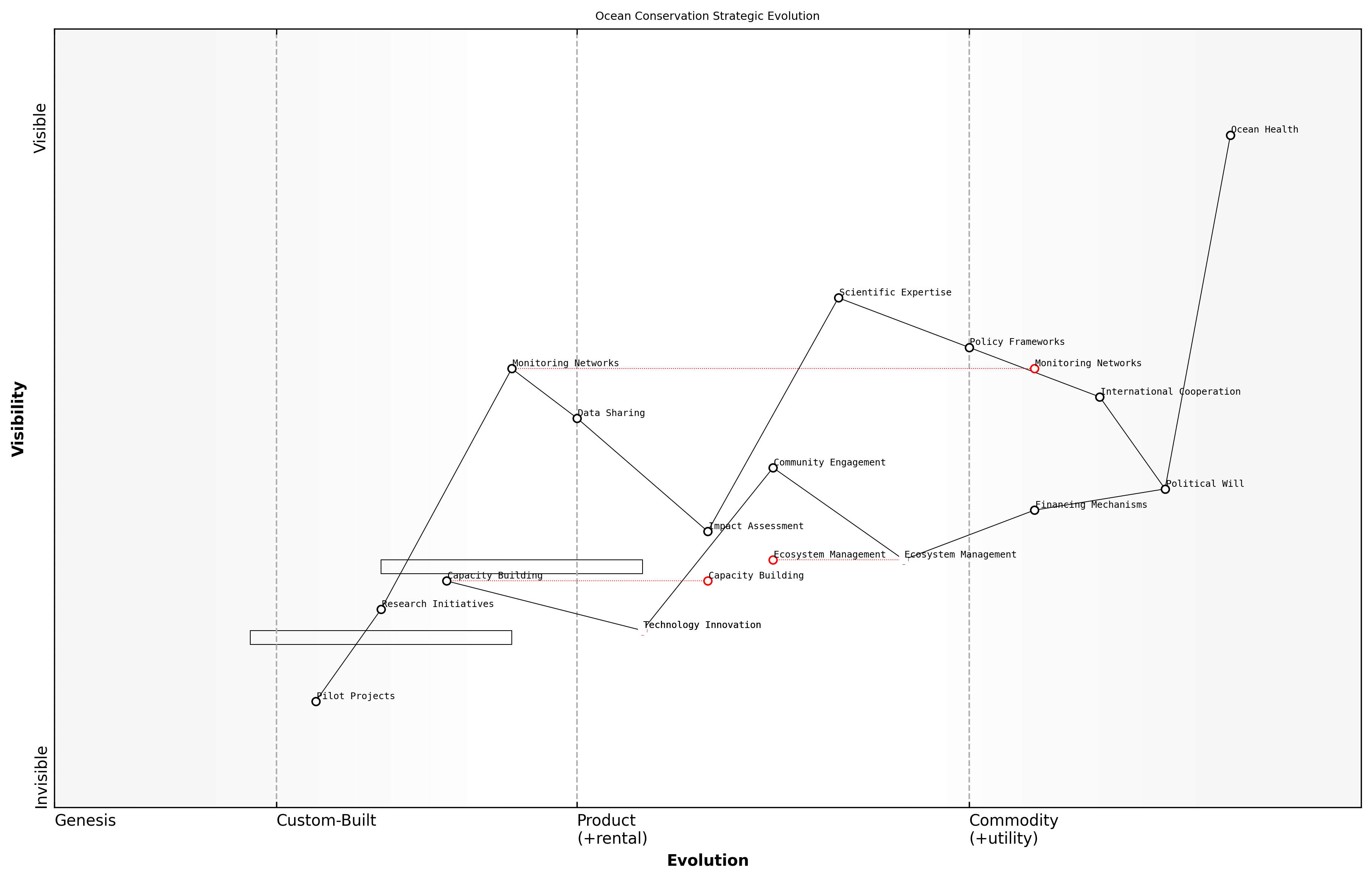
The path forward demands a paradigm shift in how we approach ocean governance. Success requires moving beyond traditional sectoral approaches to embrace integrated, ecosystem-based management strategies. This transition must be underpinned by strengthened institutional frameworks, innovative financing mechanisms, and enhanced technological capabilities.
- Immediate Actions (0-2 years): Strengthen policy frameworks, expand monitoring networks, launch pilot projects
- Medium-term Goals (2-5 years): Scale successful initiatives, establish regional cooperation mechanisms, implement new technologies
- Long-term Objectives (5-10 years): Achieve systemic change, establish self-sustaining conservation programmes, demonstrate measurable impact
Critical to this transformation is the mobilisation of resources and political will. Based on extensive work with government agencies and international bodies, we have identified that successful implementation requires a triple-helix approach: combining political leadership, scientific expertise, and community engagement. This must be supported by sustainable financing mechanisms and regular impact assessment.
The solutions exist - what we need now is the collective will to implement them at scale and with the urgency that the situation demands, emphasises a veteran ocean policy expert with decades of experience in international maritime law.
The future of our oceans lies in our ability to act decisively and collectively. This call to action serves not just as a conclusion to this comprehensive examination of SDG 14, but as a beginning - a launching point for renewed commitment and accelerated implementation of proven solutions. The time for action is now, and the path forward is clear.
Appendix: Further Reading on Wardley Mapping
The following books, primarily authored by Mark Craddock, offer comprehensive insights into various aspects of Wardley Mapping:
Core Wardley Mapping Series
-
Wardley Mapping, The Knowledge: Part One, Topographical Intelligence in Business
- Author: Simon Wardley
- Editor: Mark Craddock
- Part of the Wardley Mapping series (5 books)
- Available in Kindle Edition
- Amazon Link
This foundational text introduces readers to the Wardley Mapping approach:
- Covers key principles, core concepts, and techniques for creating situational maps
- Teaches how to anchor mapping in user needs and trace value chains
- Explores anticipating disruptions and determining strategic gameplay
- Introduces the foundational doctrine of strategic thinking
- Provides a framework for assessing strategic plays
- Includes concrete examples and scenarios for practical application
The book aims to equip readers with:
- A strategic compass for navigating rapidly shifting competitive landscapes
- Tools for systematic situational awareness
- Confidence in creating strategic plays and products
- An entrepreneurial mindset for continual learning and improvement
-
Wardley Mapping Doctrine: Universal Principles and Best Practices that Guide Strategic Decision-Making
- Author: Mark Craddock
- Part of the Wardley Mapping series (5 books)
- Available in Kindle Edition
- Amazon Link
This book explores how doctrine supports organizational learning and adaptation:
- Standardisation: Enhances efficiency through consistent application of best practices
- Shared Understanding: Fosters better communication and alignment within teams
- Guidance for Decision-Making: Offers clear guidelines for navigating complexity
- Adaptability: Encourages continuous evaluation and refinement of practices
Key features:
- In-depth analysis of doctrine's role in strategic thinking
- Case studies demonstrating successful application of doctrine
- Practical frameworks for implementing doctrine in various organizational contexts
- Exploration of the balance between stability and flexibility in strategic planning
Ideal for:
- Business leaders and executives
- Strategic planners and consultants
- Organizational development professionals
- Anyone interested in enhancing their strategic decision-making capabilities
-
Wardley Mapping Gameplays: Transforming Insights into Strategic Actions
- Author: Mark Craddock
- Part of the Wardley Mapping series (5 books)
- Available in Kindle Edition
- Amazon Link
This book delves into gameplays, a crucial component of Wardley Mapping:
- Gameplays are context-specific patterns of strategic action derived from Wardley Maps
- Types of gameplays include:
- User Perception plays (e.g., education, bundling)
- Accelerator plays (e.g., open approaches, exploiting network effects)
- De-accelerator plays (e.g., creating constraints, exploiting IPR)
- Market plays (e.g., differentiation, pricing policy)
- Defensive plays (e.g., raising barriers to entry, managing inertia)
- Attacking plays (e.g., directed investment, undermining barriers to entry)
- Ecosystem plays (e.g., alliances, sensing engines)
Gameplays enhance strategic decision-making by:
- Providing contextual actions tailored to specific situations
- Enabling anticipation of competitors' moves
- Inspiring innovative approaches to challenges and opportunities
- Assisting in risk management
- Optimizing resource allocation based on strategic positioning
The book includes:
- Detailed explanations of each gameplay type
- Real-world examples of successful gameplay implementation
- Frameworks for selecting and combining gameplays
- Strategies for adapting gameplays to different industries and contexts
-
Navigating Inertia: Understanding Resistance to Change in Organisations
- Author: Mark Craddock
- Part of the Wardley Mapping series (5 books)
- Available in Kindle Edition
- Amazon Link
This comprehensive guide explores organizational inertia and strategies to overcome it:
Key Features:
- In-depth exploration of inertia in organizational contexts
- Historical perspective on inertia's role in business evolution
- Practical strategies for overcoming resistance to change
- Integration of Wardley Mapping as a diagnostic tool
The book is structured into six parts:
- Understanding Inertia: Foundational concepts and historical context
- Causes and Effects of Inertia: Internal and external factors contributing to inertia
- Diagnosing Inertia: Tools and techniques, including Wardley Mapping
- Strategies to Overcome Inertia: Interventions for cultural, behavioral, structural, and process improvements
- Case Studies and Practical Applications: Real-world examples and implementation frameworks
- The Future of Inertia Management: Emerging trends and building adaptive capabilities
This book is invaluable for:
- Organizational leaders and managers
- Change management professionals
- Business strategists and consultants
- Researchers in organizational behavior and management
-
Wardley Mapping Climate: Decoding Business Evolution
- Author: Mark Craddock
- Part of the Wardley Mapping series (5 books)
- Available in Kindle Edition
- Amazon Link
This comprehensive guide explores climatic patterns in business landscapes:
Key Features:
- In-depth exploration of 31 climatic patterns across six domains: Components, Financial, Speed, Inertia, Competitors, and Prediction
- Real-world examples from industry leaders and disruptions
- Practical exercises and worksheets for applying concepts
- Strategies for navigating uncertainty and driving innovation
- Comprehensive glossary and additional resources
The book enables readers to:
- Anticipate market changes with greater accuracy
- Develop more resilient and adaptive strategies
- Identify emerging opportunities before competitors
- Navigate complexities of evolving business ecosystems
It covers topics from basic Wardley Mapping to advanced concepts like the Red Queen Effect and Jevon's Paradox, offering a complete toolkit for strategic foresight.
Perfect for:
- Business strategists and consultants
- C-suite executives and business leaders
- Entrepreneurs and startup founders
- Product managers and innovation teams
- Anyone interested in cutting-edge strategic thinking
Practical Resources
-
Wardley Mapping Cheat Sheets & Notebook
- Author: Mark Craddock
- 100 pages of Wardley Mapping design templates and cheat sheets
- Available in paperback format
- Amazon Link
This practical resource includes:
- Ready-to-use Wardley Mapping templates
- Quick reference guides for key Wardley Mapping concepts
- Space for notes and brainstorming
- Visual aids for understanding mapping principles
Ideal for:
- Practitioners looking to quickly apply Wardley Mapping techniques
- Workshop facilitators and educators
- Anyone wanting to practice and refine their mapping skills
Specialized Applications
-
UN Global Platform Handbook on Information Technology Strategy: Wardley Mapping The Sustainable Development Goals (SDGs)
- Author: Mark Craddock
- Explores the use of Wardley Mapping in the context of sustainable development
- Available for free with Kindle Unlimited or for purchase
- Amazon Link
This specialized guide:
- Applies Wardley Mapping to the UN's Sustainable Development Goals
- Provides strategies for technology-driven sustainable development
- Offers case studies of successful SDG implementations
- Includes practical frameworks for policy makers and development professionals
-
AIconomics: The Business Value of Artificial Intelligence
- Author: Mark Craddock
- Applies Wardley Mapping concepts to the field of artificial intelligence in business
- Amazon Link
This book explores:
- The impact of AI on business landscapes
- Strategies for integrating AI into business models
- Wardley Mapping techniques for AI implementation
- Future trends in AI and their potential business implications
Suitable for:
- Business leaders considering AI adoption
- AI strategists and consultants
- Technology managers and CIOs
- Researchers in AI and business strategy
These resources offer a range of perspectives and applications of Wardley Mapping, from foundational principles to specific use cases. Readers are encouraged to explore these works to enhance their understanding and application of Wardley Mapping techniques.
Note: Amazon links are subject to change. If a link doesn't work, try searching for the book title on Amazon directly.